

You might wonder, does dog food really make a difference? High-quality options improve your pet’s energy, coat health, and organ function. A balanced diet with the right protein, fat, and mineral ratios supports your dog’s daily comfort and lifespan.
The main factor is whether the food meets the nutritional profiles established by the Association of American Feed Control Officials (AAFCO). When you select a product, check the label for an “AAFCO Statement of Nutritional Adequacy.” A common mistake is buying food based on marketing buzzwords like “holistic” or “premium,” which aren’t regulated terms. These words don’t guarantee better nutrition than standard, science-backed formulas.
Does dog food really make a difference?
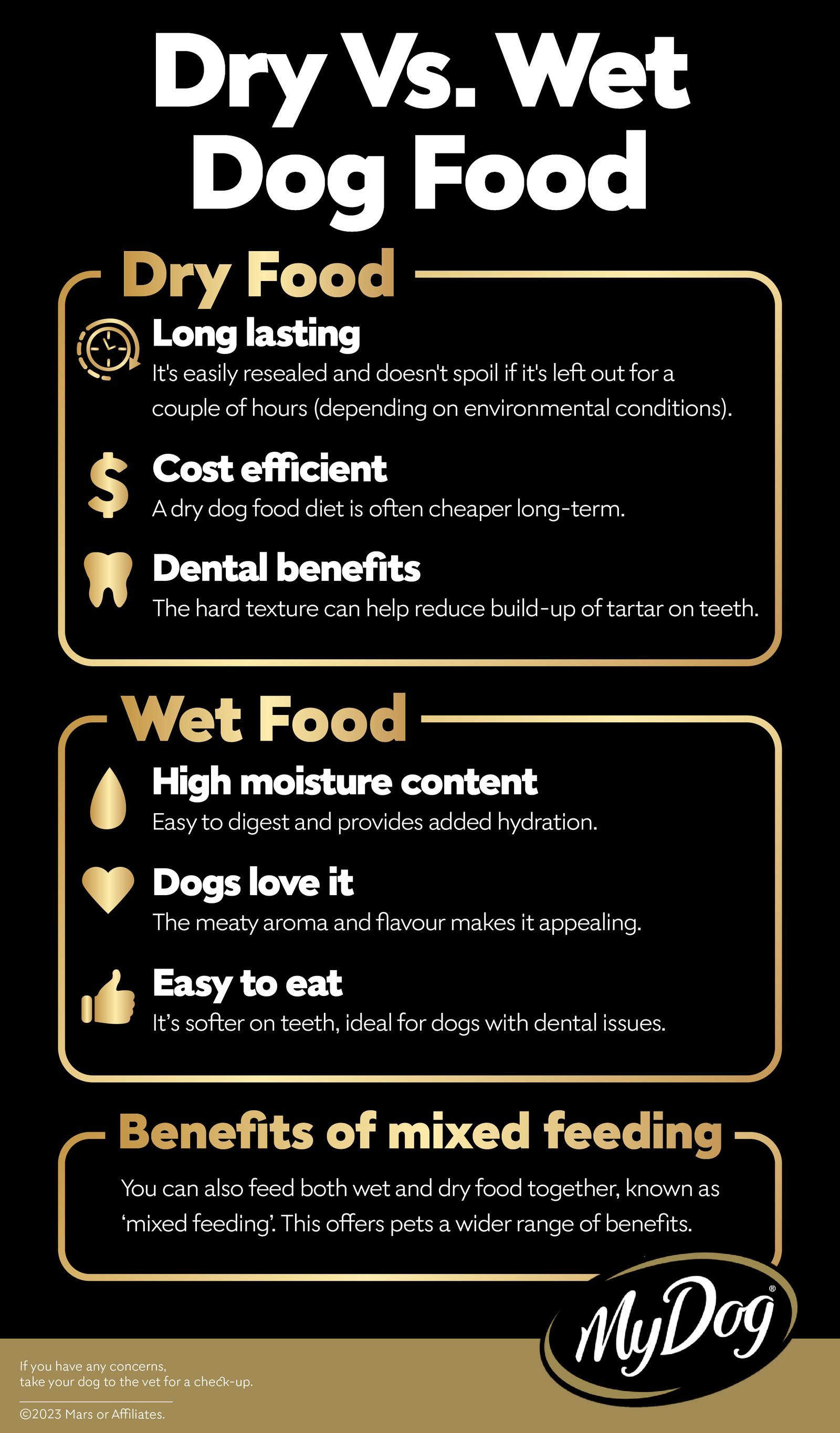
- Check the AAFCO statement on the back of the bag to ensure the food is formulated for your dog’s specific life stage, such as “growth” for puppies or “adult maintenance.”
- Match the caloric density of the food to your dog’s activity level, as a working dog needs higher fat content than a sedentary pet.
- Review the ingredient list for named protein sources, such as “chicken” or “beef,” rather than vague terms like “meat by-products” or “animal digest.”
- Transition your dog to the new food over seven to ten days by mixing small amounts of the new brand into the old to prevent stomach upset.
- Consult with your veterinarian before switching diets if your dog has a history of allergies or chronic health conditions like kidney disease.
Tip: If your dog refuses to eat the new food, don’t add human table scraps to encourage them, as this creates a habit of picky eating.
Tip: Always store dry food in its original bag inside a sealed container to prevent fat oxidation and moisture buildup, which can cause spoilage.
Nutritional breakdown and timing
| Dog Size | Daily Feeding Frequency | Primary Consideration | Energy Density |
|---|---|---|---|
| Toy/Small | 2-3 meals | High metabolism | High |
| Medium | 2 meals | Activity level | Moderate |
| Large/Giant | 2 meals | Joint health | Controlled |
If your dog consistently leaves food in the bowl, they may be getting too many calories; adjust the portion size downward by ten percent.
How to tell when it’s done
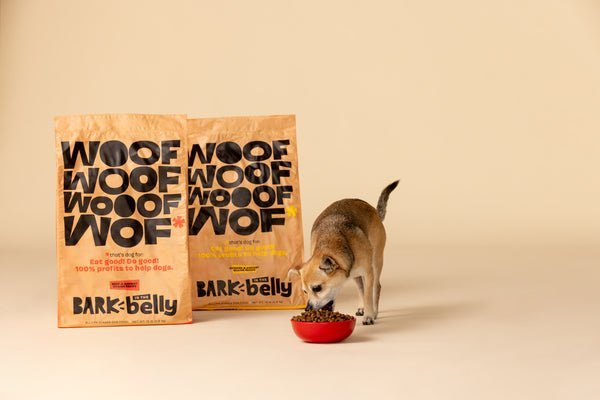
You can assess if the food is working by observing your dog’s physical condition over four to six weeks. A healthy coat should feel soft and appear shiny, not brittle or dull. Check their stool quality; it should be firm, consistent, and easy to pick up, which indicates proper digestion. If your dog maintains a steady weight and keeps a consistent energy level during play, the nutrition is likely balanced for their needs. If you see sudden weight gain or loss, compare your feeding amount against the guidelines on the packaging, as these are based on the specific caloric density of that formula.
Mistakes that ruin it
- Overfeeding based on appetite: Owners often mistake a dog’s desire for more food as a sign of hunger, leading to obesity and joint stress. Use a standard measuring cup rather than estimating, as even a small excess adds up quickly.
- Ignoring the transition phase: Switching brands overnight causes severe gastrointestinal distress, including vomiting and diarrhea. Always use the ten-day gradual mixing method to allow the gut microbiome to adjust to the new ingredients.
- Adding human supplements: Giving extra vitamins or minerals without a vet’s approval can cause toxic imbalances, especially with fat-soluble vitamins. Stick to a complete and balanced commercial diet unless your veterinarian explicitly prescribes a supplement for a diagnosed deficiency.
Frequently asked questions
Can I mix two different brands of dog food?
Yes, you can mix brands, but it’s better to choose one high-quality, complete, and balanced food. Mixing can make it harder to identify which food causes an allergic reaction or digestive issue. If you choose to mix, ensure the total daily calories stay within your dog’s specific target.
Why is my dog losing hair despite eating expensive food?
Hair loss is often a sign of underlying medical issues like hormone imbalances, parasites, or environmental allergies rather than just diet. While nutrition supports skin health, you should schedule a check-up with a veterinarian to rule out skin conditions that require medication or specialized treatment beyond changing the food.
Is it safe to feed a puppy adult dog food?
No, it isn’t safe because puppies require higher levels of protein, calcium, and phosphorus for proper bone and organ development. Adult maintenance food lacks the nutrient density required for rapid growth. Always use a formula labeled specifically for “growth” or “all life stages” to prevent developmental health problems.
What happens if I change my dog’s food too fast?
Changing food too quickly typically results in an upset stomach, which manifests as loose stools, gas, or vomiting. The digestive system needs time to produce the right enzymes to break down new proteins and fats. A slow transition protects your dog from discomfort and prevents unnecessary visits to the clinic.
How long should I keep my dog on the same food?
You should keep your dog on the same food as long as they’re maintaining a healthy weight, have good energy, and show no signs of digestive distress. There’s no requirement to rotate brands. If the food is balanced and your dog thrives, changing it often is unnecessary and risks creating picky eating habits.
Final Thoughts
Choosing the right bowl of food is one of the kindest things you can do for your companion. If you’re unsure where to start, talk with your vet about your dog’s unique needs. They’ll help you find a nutritious option that’s perfect for your pup’s health, so you’ve got many happy years ahead.