
You should prioritize formulas that meet the nutritional standards established by the AAFCO to ensure your pet receives balanced nutrition.
The short version
- Choose a food labeled as “complete and balanced” for your dog’s specific life stage.
- Check the ingredient list to ensure a high-quality animal protein is the first item.
- Match the calorie density to your dog’s daily activity level to avoid unhealthy weight gain.
- Transition to a new diet over 7 days by mixing small amounts of the new food.
- If your dog has allergies, look for limited-ingredient diets with novel protein sources like venison.
- Consult your veterinarian before choosing a specialized diet for dogs with chronic health conditions.
Why nutritional requirements vary by dog
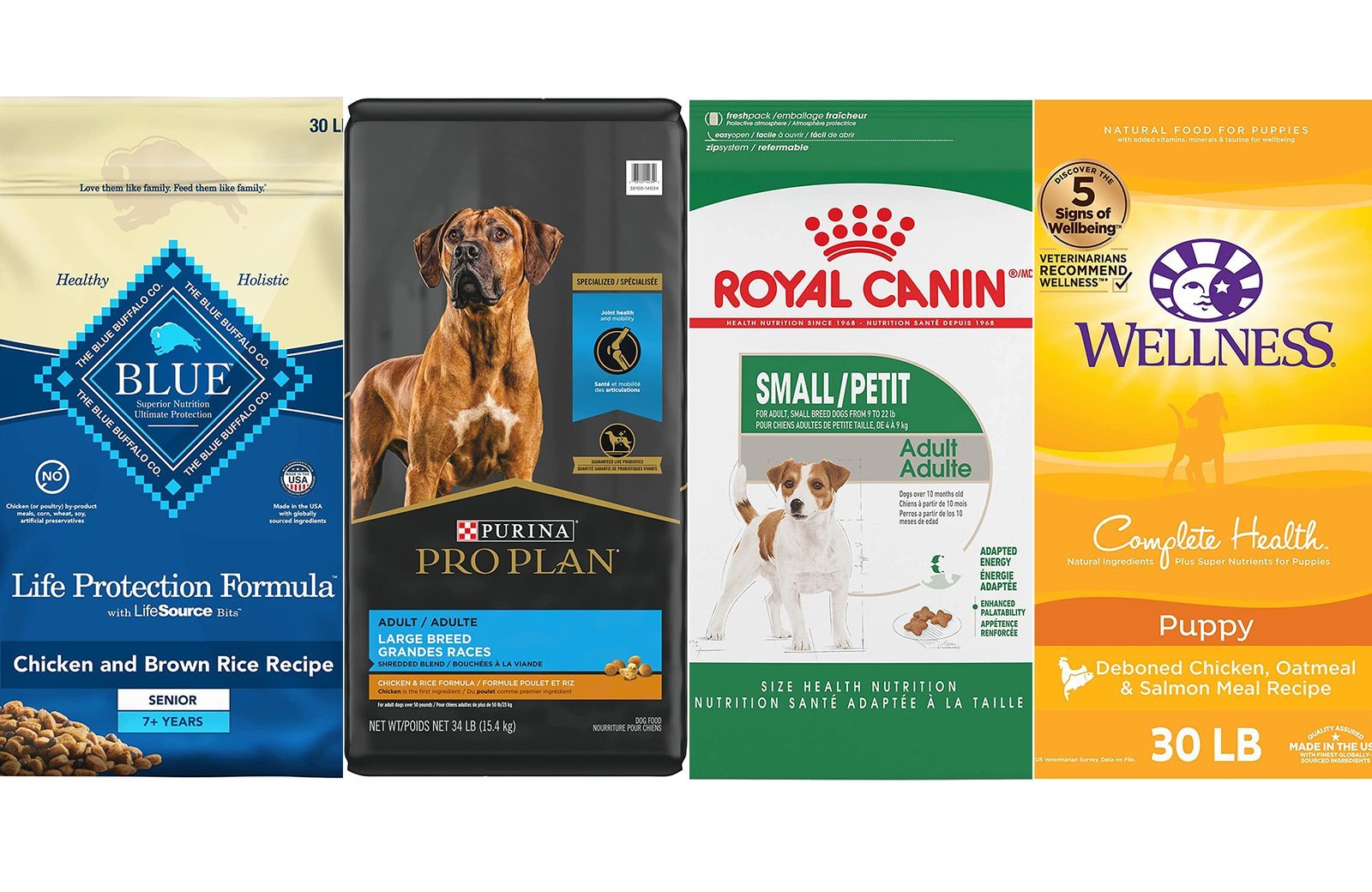
Dogs have different biological needs depending on their life stage and health status. A puppy requires higher levels of protein and calcium for growth, while a senior dog often needs fewer calories and joint-supporting nutrients to manage aging. Manufacturers design these formulas to meet these specific demands. If you feed an adult maintenance diet to a growing puppy, they may lack the necessary nutrients for proper bone development. Conversely, feeding a high-calorie puppy formula to a sedentary adult dog often leads to obesity. This varies by model — check the label for the AAFCO life stage statement, such as “growth,” “adult maintenance,” or “all life stages.” If your dog is a working breed, they need higher fat content for energy; if your dog is a house pet, they need a lower-fat diet to stay healthy. Always prioritize the life stage label over marketing claims on the front of the bag.
When the answer is different
| Situation | What changes | What to do instead |
|---|---|---|
| Puppy | Growth needs | Use puppy-specific formulas |
| Senior | Metabolic rate | Use senior-specific formulas |
| Allergies | Protein source | Use hydrolyzed protein diets |
| Overweight | Calorie count | Use weight management formulas |
| Performance | Energy needs | Use high-protein working diets |
How to do it properly
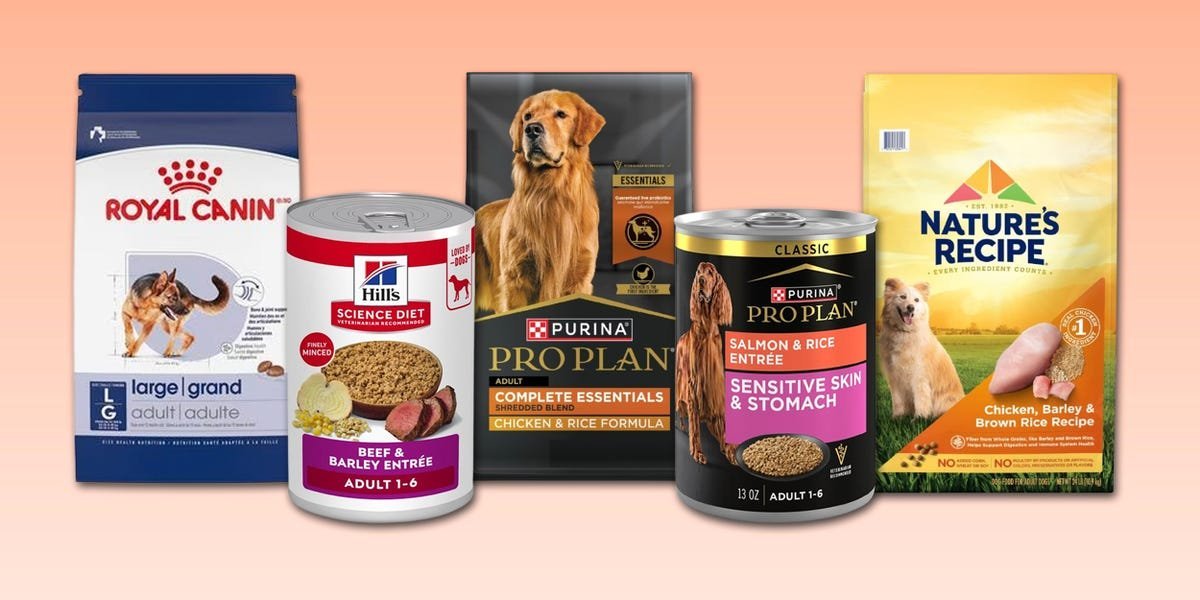
- Read the back of the bag to verify the food is formulated for your dog’s current age.
- Weigh your dog to determine their current body condition score and check the feeding chart on the bag.
- Measure the food using a standard measuring cup; never guess the portion size to avoid overfeeding your pet.
- Begin the transition by mixing 25% new food with 75% old food on the first day of the change.
- Increase the new food ratio gradually until you’re feeding 100% of the new diet.
- Monitor your dog’s stool quality and energy levels throughout the transition to ensure they tolerate the new food.
- Adjust the total daily amount based on your dog’s weight, increasing or decreasing by 10% if they gain or lose weight.
The mistakes that ruin it
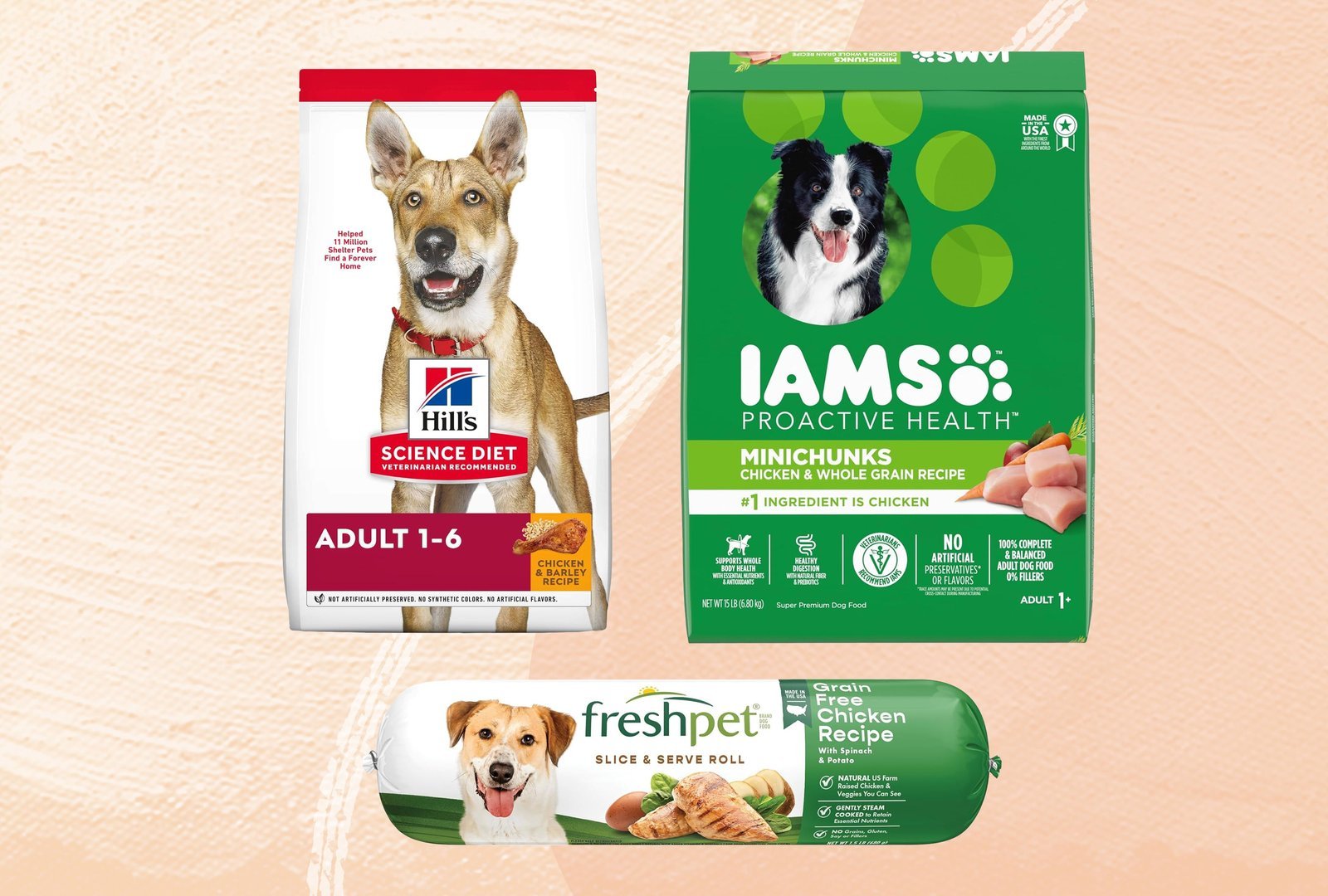
- Switching food brands abruptly often causes digestive upset and diarrhea for your pet.
- Ignoring the feeding guide on the package leads to overfeeding and long-term health risks like obesity.
- Adding human food scraps as a regular habit creates nutritional imbalances and encourages begging behaviors.
- Storing dry food in an unsealed container allows fats to go rancid and attracts household pests.
Frequently asked questions
How do I know if the food is good?
Look for a statement on the label that the food meets AAFCO nutritional standards for your dog’s life stage. This ensures the product has been tested or formulated to provide the necessary vitamins, minerals, and proteins for healthy daily maintenance.
Is grain-free better for my dog?
No, grain-free isn’t scientifically proven to be better for most dogs. Unless your veterinarian has diagnosed a specific grain allergy, grains provide essential fiber and energy that support a healthy digestive system and overall heart health in many canine breeds.
How much should I feed my dog?
Follow the weight-based guidelines printed on the food bag as a starting point. If your dog is more active than average, you may need to increase the amount; if they’re inactive, you should decrease the portion to prevent weight gain.
Can I feed my dog human food?
You should limit human food to occasional, healthy treats like plain cooked vegetables or lean meats. Never feed your dog common toxic foods like onions, garlic, grapes, or chocolate, as these can cause severe illness or organ failure even in small amounts.
How long does a bag of food stay fresh?
Most dry dog food remains fresh for four to six weeks after opening if stored in a cool, dry place. Keep the food in its original bag inside an airtight container to preserve flavor and prevent the fats from oxidizing and turning rancid.
Does the price of dog food matter?
Higher prices don’t always guarantee better quality, but they often reflect the use of premium ingredients or extensive safety testing. Compare the ingredient lists and nutrient profiles rather than relying on the price tag to judge the actual value.
Final Thoughts
Feeding your companion well is a journey, not a single decision. Since every dog’s needs change as they age, you shouldn’t hesitate to check in with your vet during your next visit. They’ll help you confirm that your choice is still the perfect fit for your pup’s health and happiness.