
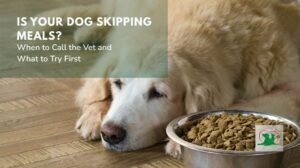
If you are wondering what do you call dog food, it is commonly known as pet kibble or canine feed. This term refers to specialized products designed to meet the unique nutritional requirements of domestic dogs based on their life stage.
What do you call dog food?
Photo: en.wikipedia.org on Google
Dry food, or kibble, is the most common form and stays fresh for months if stored in a cool, dry place. Avoid storing bags on concrete floors, as moisture wicks through the material and triggers mold growth.
Wet food comes in cans or pouches and must be refrigerated after you open the container. Use it within five to seven days to prevent spoilage.
Puppy formulas provide more protein and fat than adult recipes to support rapid physical growth.
Senior diets often contain fewer calories and added joint supplements like glucosamine for older dogs. If your senior dog remains highly active, stick to an adult maintenance formula instead.
Check the label for the AAFCO statement to ensure the product meets standard nutritional adequacy requirements. Ignore marketing claims like “premium” if this seal is missing.
Raw diets require strict hygiene to prevent Salmonella. Always disinfect surfaces after every meal.
Why canine nutrition matters
Canine health depends on a balanced intake of proteins, fats, carbohydrates, minerals, and vitamins. Manufacturers formulate these diets to meet specific scientific standards that ensure a dog receives everything it needs for daily energy and tissue repair. You should look for labels that explicitly state the food is “complete and balanced,” as this confirms the product passed testing for nutritional adequacy. According to the Association of American Feed Control Officials, these statements are your primary guide to knowing if a diet can be fed as a sole source of nutrition. Because dogs have different metabolic rates based on their size, activity level, and breed, picking the right formula prevents both malnutrition and obesity. If you see a product labeled as a “supplement” or “treat,” it isn’t meant to replace a dog’s primary meals. Always verify the life stage on the bag to match the food to your dog’s age.
When the answer is different
Photo: blog.homesalive.ca on Google
| Situation | What changes | What to do instead |
|---|---|---|
| Prescription diet | Nutritional balance | Use only under veterinary guidance |
| Homemade meals | Ingredient quality | Consult a certified veterinary nutritionist |
| Raw feeding | Safety protocols | Follow strict hygiene and handling rules |
| Puppy growth | Calorie density | Provide specialized puppy-specific formulas |
| Weight loss | Energy content | Use reduced-calorie or senior-labeled options |
The primary mistake owners make is assuming “natural” ingredients equate to a complete diet. This oversight often leads to calcium-phosphorus imbalances that cause irreversible skeletal damage in growing dogs.
If your dog has a history of urinary crystals, avoid standard grocery store brands even if they claim to be healthy.
Use this decision rule to determine your path. If your pet has a diagnosed chronic condition, prioritize clinical oversight over marketing claims. If your pet is healthy but you want to switch to home-cooked meals, perform a full nutritional audit first.
You can tell which category you’re in by looking at your dog’s blood panel. If values are outside the normal range, stop all dietary experiments immediately and consult your primary veterinarian.
How to do it properly
Photo: funnyfuzzy.com on Google
- Check the bag for a nutritional adequacy statement from the AAFCO to ensure the food is formulated for your specific dog’s life stage.
- Calculate the daily portion size by reading the feeding guide on the back of the package, which is usually based on the dog’s weight.
- Measure the food using a standard kitchen cup to avoid overfeeding, as extra calories quickly lead to obesity in small and medium breeds.
- Transition your dog to a new diet over seven days by mixing increasing amounts of the new food into the old to prevent stomach upset.
- Store dry kibble in a cool, dry place inside an airtight container to maintain freshness and prevent the fats from turning rancid over time.
- Refrigerate any leftover wet food immediately after opening and use it within five to seven days.
The mistakes that ruin it
Feeding a puppy an adult formula causes them to miss out on essential nutrients needed for healthy bone and muscle development. If you’re unsure, check the label for an AAFCO statement confirming it’s formulated for growth.
Leaving wet food out for more than two hours encourages bacterial growth that can make your dog very sick. If your dog doesn’t finish their meal within this window, discard the remainder immediately to prevent foodborne illness.
Changing a diet instantly results in severe vomiting because the gut microbiome needs time to adjust. Use a gradual transition rule, replacing a portion of the old food with the new blend regularly.
Storing kibble in a damp garage leads to invisible mold growth. This destroys nutritional value and creates a serious health risk. Always keep bags in airtight containers inside your climate-controlled home.
Related guides