
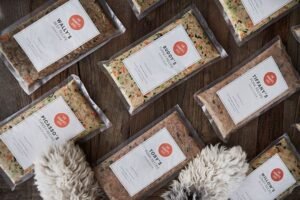
The best fresh dog foods are complete and balanced meals that meet the nutritional standards set by the Association of American Feed Control Officials. These products contain whole, human-grade ingredients like lean proteins and vegetables, providing a higher moisture content and often fewer processed fillers than standard dry kibble options.
What to know before buying
The most important factor is confirming the food is “complete and balanced” for your dog’s specific life stage. Labels should explicitly state this to ensure the recipe isn’t just a supplemental topper.
The biggest mistake owners make is switching a dog’s diet too quickly. This often leads to digestive upset, vomiting, or diarrhea because the gut microbiome needs time to adjust to new nutrient profiles and higher moisture levels.
What are the best fresh dog foods?
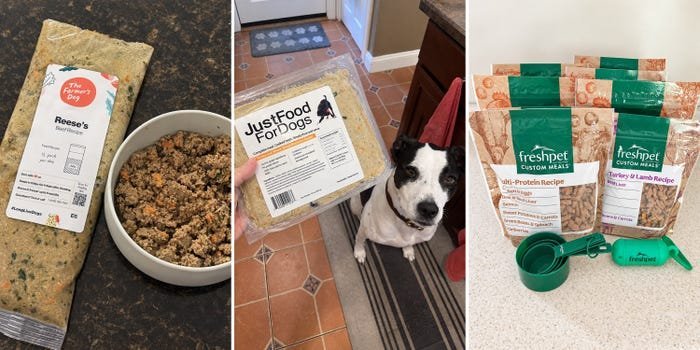
- Verify the AAFCO statement: Check the back of the package for a label that confirms the food meets AAFCO nutrient profiles for your dog’s life stage, such as puppy, adult, or all life stages.
- Review the ingredient list: Prioritize recipes where the first three ingredients are whole proteins like chicken, beef, or turkey, rather than meat meals or by-products.
- Check the storage requirements: Ensure you have enough freezer or refrigerator space, as fresh food lacks the preservatives found in shelf-stable kibble and spoils within days once thawed. Tip: If you’re unsure about your dog’s specific caloric needs, consult your veterinarian before starting, as fresh food is often more calorie-dense than kibble.
- Transition gradually: Mix 25% new food with 75% old food for two days, then move to a 50/50 split for two days, and finish with a full transition by the end of the week. Tip: If your dog shows signs of loose stools, slow the transition process by keeping the ratio at 25% new food for an additional three days.
- Monitor for recalls: Always register your email with the manufacturer to receive instant alerts if there’s a production issue or safety concern regarding their ingredients. Following FDA pet food safety guidelines helps you identify signs of illness early.
How long it takes
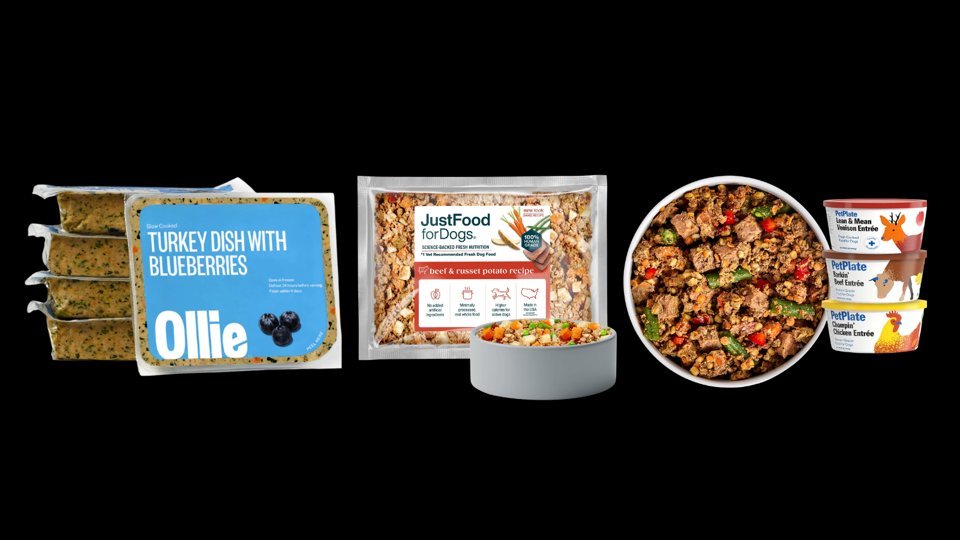
The transition period depends on your dog’s sensitivity to diet changes, though most healthy adults adapt well within one week.
| Situation | How long | What changes it | What to watch for |
|---|---|---|---|
| Healthy adult dog | 7 days | Individual gut sensitivity | Stool consistency |
| Senior dog | 10–14 days | Slower digestive rate | Appetite changes |
| Puppy | 5–7 days | High energy requirements | Growth rate |
If your dog experiences vomiting that lasts longer than 24 hours, stop the new food and contact a veterinarian immediately.
The primary mistake owners make is rushing the process when the dog shows no immediate reaction.
Use this decision rule: If your dog’s stool remains firm, increase the new food ratio by 25% regularly. If stools become loose or watery, hold the current ratio for an extra 48 hours before proceeding. This buffer prevents long-term digestive irritation.
How to tell when it’s done
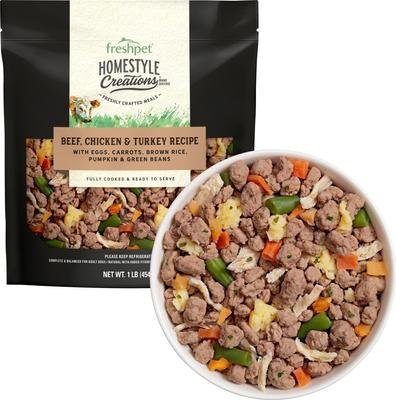
Doneness in this context refers to the safe preparation of food that requires reheating or thawing. Follow the manufacturer’s specific heating instructions, as improper reheating can fail to eliminate potential pathogens.
Use a clean digital meat thermometer inserted into the thickest part of the food to confirm this temperature. Don’t rely on visual cues like color or steam, as these are unreliable indicators of bacterial safety. If the food hasn’t reached the manufacturer’s recommended internal temperature, it may not be safe for consumption.
If you serve the food raw, you must handle it with the same care as raw human meat. Wash all bowls and surfaces that touch the food with hot, soapy water immediately. Leaving residue behind invites bacterial growth that can easily spread to your kitchen counters or family members.
Mistakes that ruin it
- Ignoring the calorie count: Many fresh foods are denser than kibble, and feeding the same volume leads to rapid weight gain. Always use a kitchen scale to weigh the portion based on the manufacturer’s feeding chart.
- Leaving food out too long: Fresh food left at room temperature for more than two hours becomes a breeding ground for bacteria. Store any leftovers in the refrigerator immediately after serving to prevent spoilage.
- Assuming all fresh food is the same: Some brands are formulated as “toppers” rather than complete diets, which causes nutritional deficiencies if used as the sole food source. Only buy products labeled as “complete and balanced” for long-term feeding.
- Inconsistent temperature: Serving food straight from the freezer can irritate a dog’s stomach. Thaw portions in the refrigerator for 24 hours before serving to ensure the texture and temperature are appropriate for your pet.
Related guides