

When asking what dog food is considered the healthiest, the answer for most pets is a high-quality, nutritionally complete diet that meets AAFCO profiles. The best choice provides a balanced mix of nutrients tailored to your dog’s specific life stage, activity level, and health needs.
Determining the right nutrition
The primary factor in choosing food is verifying that the manufacturer follows established nutritional standards. Look for a statement on the packaging confirming the food has passed AAFCO feeding trials or that it’s formulated to meet their nutrient profiles.
A common mistake is prioritizing marketing terms like “human-grade” or “holistic” over actual nutritional data. These terms are often unregulated and don’t guarantee a superior health outcome compared to scientifically formulated diets from reputable brands.
What dog food is considered the healthiest?
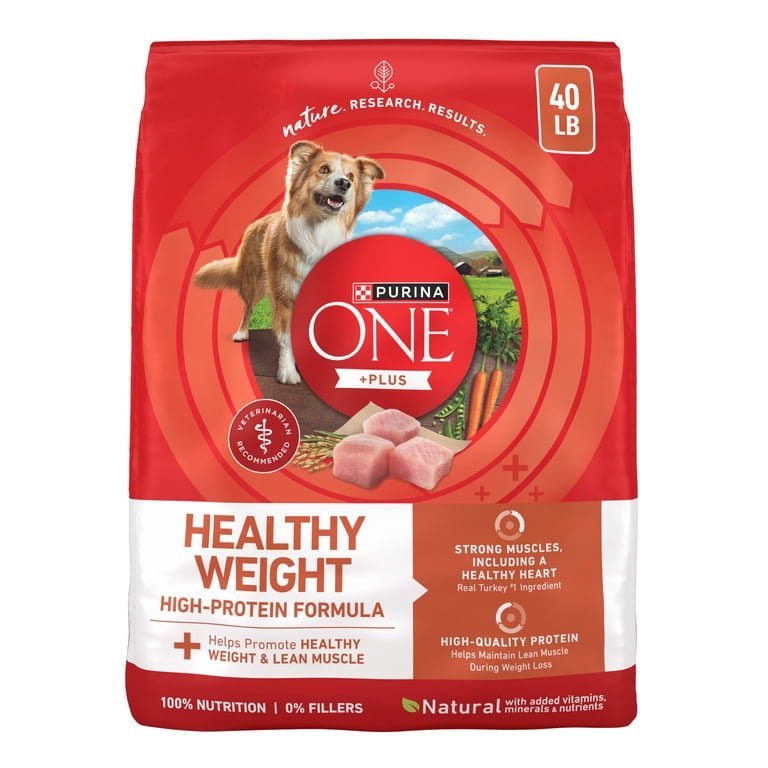
- Consult your veterinarian to determine the specific caloric and nutritional needs based on your dog’s breed, age, and health status.
- Check the product label for the “AAFCO Statement of Nutritional Adequacy,” which confirms the food is complete and balanced for the intended life stage.
- Weigh the food using a kitchen scale rather than a measuring cup to ensure you provide the exact amount required for your dog’s weight.
- Transition to new food slowly over 7 to 10 days by mixing increasing amounts of the new diet with the old to prevent digestive upset.
- Store dry kibble in its original bag inside an airtight container to prevent fat oxidation and maintain freshness.
Tip: If your dog has a history of food allergies, ask your vet about hydrolyzed protein diets before trying novel protein sources.
Tip: Never feed your dog raw diets without professional guidance, as the FDA’s tips for pet owners highlight significant risks regarding harmful bacteria like Salmonella and Listeria.
How long it takes
The time required to see results from a diet change varies based on the individual dog’s metabolism and the specific health goal.
| Situation | Expected Time | What changes it | What to watch for |
|---|---|---|---|
| Transitioning diet | 7-10 days | Digestive sensitivity | Stool consistency |
| Weight management | 4-8 weeks | Starting body condition | Activity levels |
| Coat/Skin health | 6-12 weeks | Baseline health state | Excessive shedding |
If your dog shows no signs of improvement after the expected timeframe, consult your veterinarian to rule out underlying medical issues that diet alone can’t fix.
How to tell when it’s done
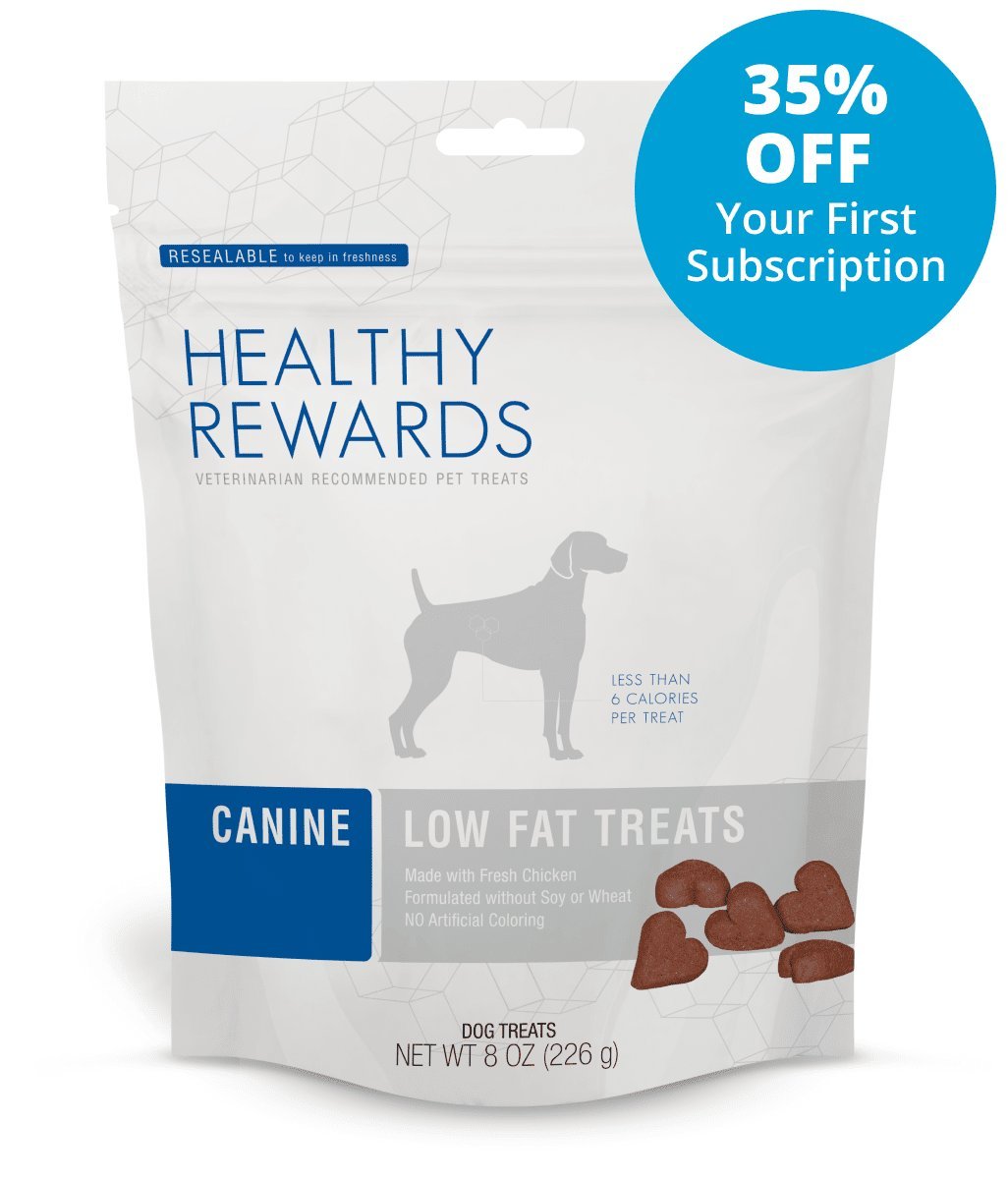
You can’t judge a food by its appearance alone, so monitor your dog’s physical condition instead. A healthy diet should result in steady energy levels, a shiny coat, and consistent, firm stools. If you notice weight gain or loss, you must adjust the daily intake immediately; the best indicator of “done” is a body condition score within the ideal range as defined by veterinary professionals. If your dog seems lethargic or refuses to eat for more than 24 hours, contact your clinic for a professional evaluation rather than assuming the food is the only factor.
Mistakes that ruin it
- Overfeeding based on bag instructions: Manufacturers often provide ranges that are too high for sedentary house pets, leading to obesity. Always start at the lower end of the recommended range and adjust based on your dog’s actual weight.
- Frequent diet rotation: Changing brands regularly can cause chronic digestive upset and makes it impossible to identify which food caused a reaction. Stick to one high-quality, balanced formula unless a veterinarian recommends a switch.
- Adding too many human treats: Giving high-calorie table scraps adds empty calories that dilute the nutritional balance of the primary diet. Limit treats to no more than ten percent of your dog’s total daily caloric intake to maintain health.
Frequently asked questions
Is grain-free food healthier for dogs?
No, grain-free food isn’t inherently healthier for the average dog. Unless a veterinarian has diagnosed a specific grain allergy, grains provide essential fiber, vitamins, and minerals that support a balanced diet for most healthy pets.
How do I know if a dog food brand is safe?
You can confirm safety by checking if the manufacturer employs board-certified veterinary nutritionists and maintains rigorous quality control testing. A safe brand will provide transparent information about where their ingredients are sourced and how they test for contaminants.
Can I mix wet and dry food?
Yes, you can mix wet and dry food, provided you account for the total calories from both sources. This is a common way to increase moisture intake, but you must measure both portions carefully to avoid overfeeding and potential weight gain.
Is it safe to make my own dog food?
No, it’s rarely safe to make food at home without a recipe formulated by a veterinary nutritionist. Homemade diets are frequently deficient in critical nutrients like calcium, zinc, and iodine, which can lead to severe health problems over time.
How often should I change my dog’s food?
You shouldn’t change your dog’s food unless there’s a medical reason or a change in life stage. Consistency is better for digestion, so maintain the same high-quality diet as long as your dog thrives on it.
Final Thoughts
Ultimately, your vet is your best partner in choosing the right bowl for your companion. Don’t hesitate to schedule a quick check-up to discuss these options together. Once you’ve settled on a nutritious plan, you’ll feel confident that you’re providing the very best fuel for your dog’s long, happy life.