

When considering what diet is best for dogs, veterinarians agree that the most balanced approach is a nutritionally dense food meeting AAFCO standards for their life stage. The ideal choice depends on age, activity level, and health history rather than a single universal brand.
Balancing nutrients and health
The primary goal is providing a profile of proteins, fats, vitamins, and minerals that supports canine biological needs. You must look for a statement on the label confirming the food is “complete and balanced,” which means it contains all essential nutrients in the correct ratios for a dog’s growth or maintenance.
A common mistake is adding excessive human food scraps, which dilutes the nutrient density of the commercial product. If you feed 80% commercial food and 20% table scraps, you risk inducing a mineral or vitamin deficiency over time.
What diet is best for dogs?
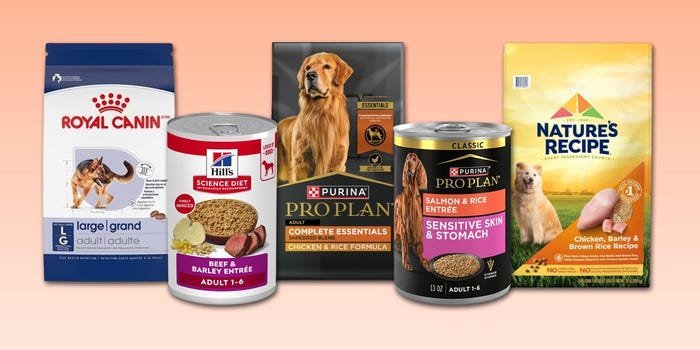
- Select a formula labeled for your dog’s specific life stage, such as “puppy,” “adult,” or “senior,” to ensure they receive the correct caloric density.
- Measure portions using a standard measuring cup rather than estimating by eye to prevent obesity, which is a leading cause of joint and heart issues in pets.
- Transition to a new food over 7 to 10 days by mixing increasing amounts of the new diet with the old one to avoid gastrointestinal upset.
- Provide fresh, clean water in a non-porous bowl at all times, as hydration is critical for kidney function and digestion.
- Consult a veterinarian before using any home-cooked or raw diets to ensure they’re nutritionally adequate; the American Veterinary Medical Association warns that raw diets pose significant risks of bacterial contamination to both pets and owners.
Tip: If your dog is a high-energy working breed, they require more calories per pound of body weight than a sedentary house pet.
Tip: Always check the back of the bag for feeding guidelines, but adjust based on your dog’s actual weight gain or loss.
How long it takes
Photo: www.chomcapital.com on Google
The time required to see the effects of a diet change depends on the dog’s metabolism and health status.
| Situation | How long | What changes it | What to watch for |
|---|---|---|---|
| Transitioning food | 7–10 days | Sensitivity of stomach | Diarrhea or vomiting |
| Weight loss plan | 3–6 months | Starting body condition | Muscle loss vs fat loss |
| Coat improvement | 4–8 weeks | Breed fur type | Skin irritation or shine |
Most owners make the mistake of switching brands abruptly to save time. This often triggers severe gastrointestinal distress, which can set your progress back by two weeks. If your dog experiences loose stools for more than 48 hours, revert to the previous diet and consult a professional.
If your dog loses weight faster than 2% of their body weight per week, increase their intake immediately. Rapid weight loss often indicates muscle wasting rather than fat reduction, which can permanently damage metabolic health. To determine if the loss is healthy, feel their ribs; you should feel a light covering of fat, not sharp bone. If the ribs are protruding, the diet is too restrictive.
How to tell when it’s done
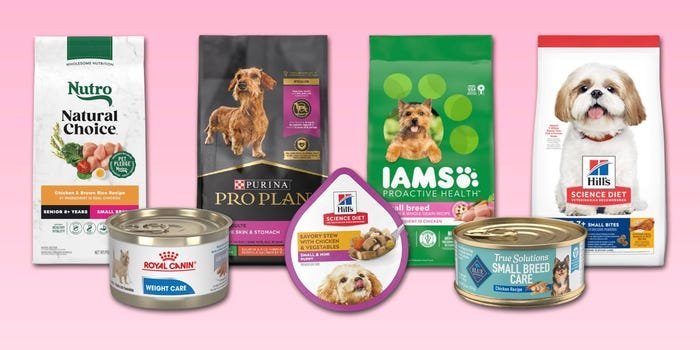
You can’t measure “doneness” for a daily diet, but you can monitor the dog’s physical condition. A healthy, well-fed dog should have a visible waist when viewed from above and a tucked abdomen from the side.
The stool should be firm and consistent in color. If you notice dull fur, excessive shedding, or lethargy, the diet may lack essential fatty acids or sufficient protein.
Most owners make the mistake of relying solely on the weight printed on the bag, but these guidelines are only estimates and should be adjusted based on your dog’s individual metabolism and activity level. If your dog’s ribs feel like the back of your hand, they’re too thin. If they feel like your palm, they’re likely overweight.
The ultimate test is a body condition score performed by a professional. They use a standard nine-point scale to determine if your dog is at an ideal weight or needs a caloric adjustment. Aim for a four or five.
Mistakes that ruin it
-
Overfeeding treats: Owners often ignore the calories in snacks, which can easily add up to 20% of a dog’s daily intake. Always count treats as part of the total daily energy budget. If you can’t find calorie counts on the bag, replace commercial biscuits with low-calorie options like raw carrot sticks or green beans.
-
Ignoring the label: Feeding a puppy an adult formula leads to stunted growth or bone issues because the calcium-to-phosphorus ratio is incorrect. Stick strictly to the life-stage label on the packaging. If your dog is a giant breed, look for specific “large breed puppy” formulas to control the rate of skeletal development.
-
Rapid diet changes: Switching brands overnight causes severe vomiting or diarrhea because the gut microbiome can’t adapt that quickly. Use the 10-day transition rule to protect your dog’s digestive health. Gradually increase the proportion of the new food while decreasing the old food over the course of 7 to 10 days.
-
Misinterpreting marketing: Shiny packaging or “natural” claims don’t guarantee nutritional adequacy. Always prioritize the AAFCO nutrient profile statement over fancy buzzwords. If the label lacks an AAFCO adequacy statement, the food is likely intended for intermittent feeding only.
Related guides