
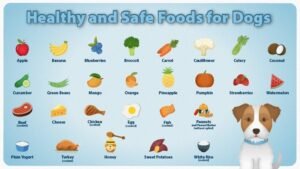
If you are wondering what can food is good for dogs, plain canned pumpkin, green beans, and carrots are safe, unseasoned additions to their diet. These provide fiber and moisture, provided they contain no salt, sugar, or toxic xylitol.
Choosing safe canned options
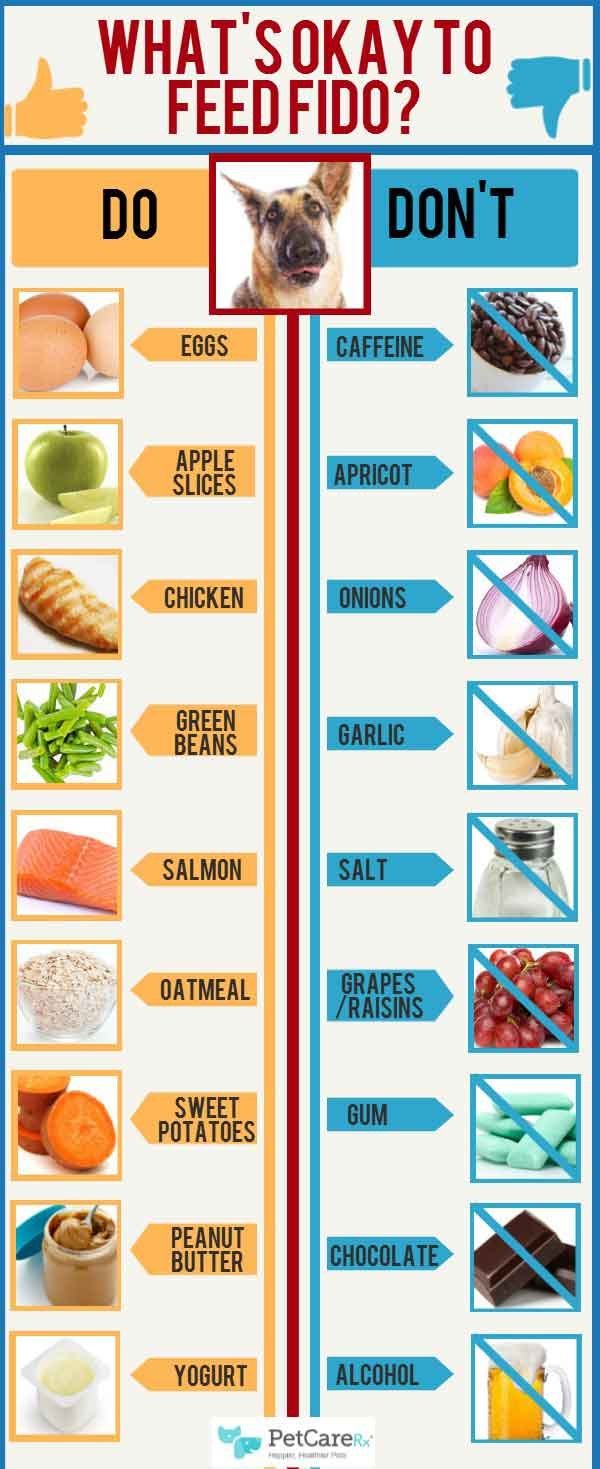
The primary rule is to look only for plain, boiled vegetables packed in water. If the label lists “salt,” “seasoning,” or “natural flavors,” put it back on the shelf. The most common mistake owners make is sharing canned items intended for humans that contain onions or garlic powder, which are dangerous for a dog’s red blood cells.
Always check the ingredients list for xylitol, especially in peanut butter or sugar-free canned goods. This artificial sweetener can cause a sudden, dangerous drop in blood sugar and liver failure in dogs. If you’re ever unsure about an ingredient, don’t feed it to your pet until you have checked the FDA’s official guidance on pet food safety.
Preparing and serving vegetables
-
This step is critical because excess salt can cause dehydration or electrolyte imbalances in smaller dogs.
-
Mash the vegetables with a fork into small, bite-sized pieces to prevent a choking hazard for smaller breeds. If your dog is a “gulper” who eats without chewing, ensure the mash is consistent and lacks large, firm chunks.
-
Mix one tablespoon of the prepared vegetable into the dog’s standard kibble for every 20 pounds of the dog’s body weight. If your dog has a sensitive digestive system, start with half a tablespoon to gauge tolerance.
-
Monitor your dog for any signs of an upset stomach, such as vomiting or diarrhea, over the next 24 hours. If these symptoms occur, discontinue the vegetable immediately and provide only plain, bland food.
-
Store any leftover canned food in a separate, airtight plastic or glass container in the fridge for no more than three days.
Portioning for different sizes
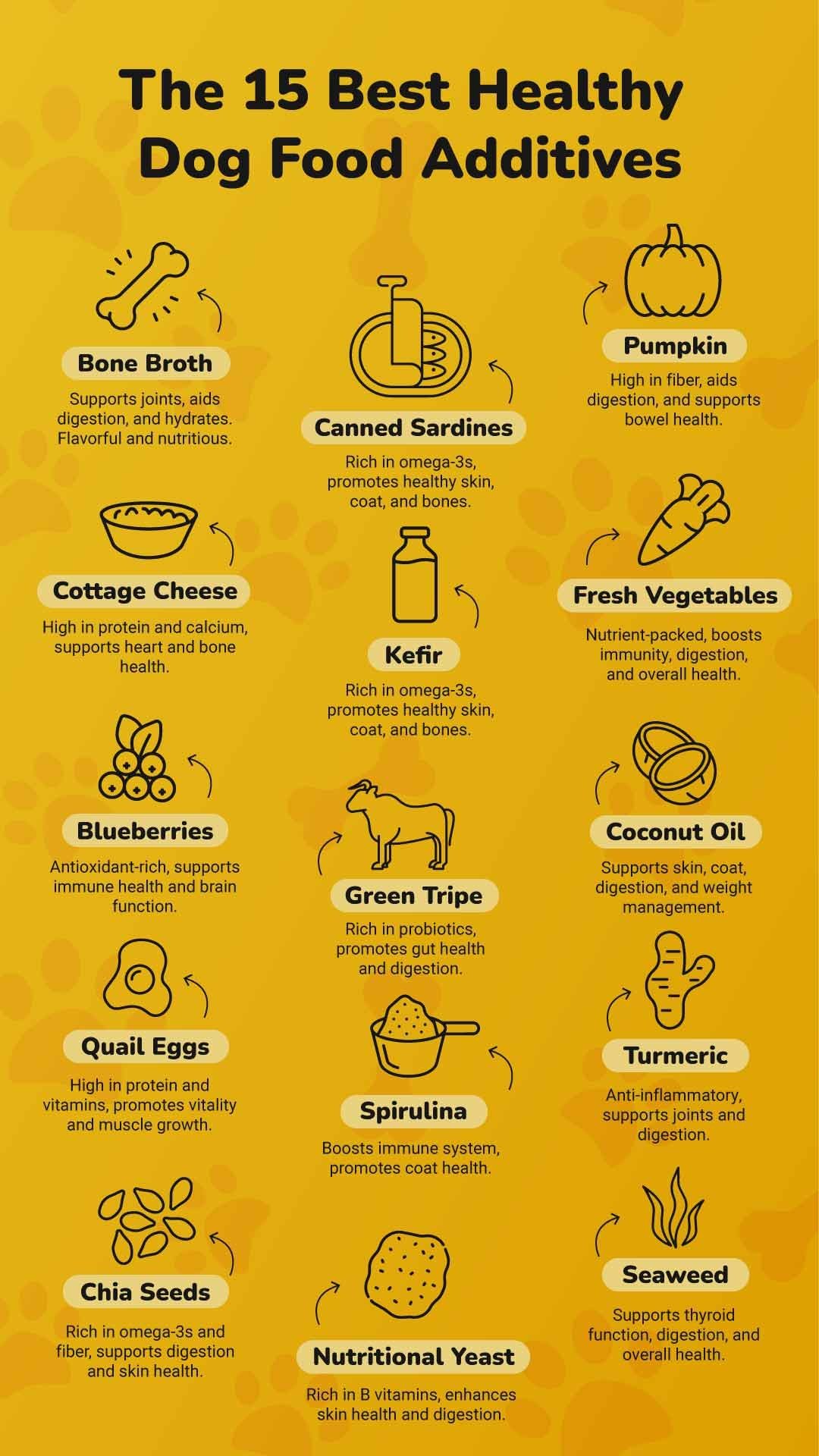
This table shows how much plain canned pumpkin or green beans to add to a daily meal based on your dog’s weight.
Start at the lower end of these ranges for the first three days. This allows the digestive system to adjust to the added fiber. If your dog develops loose stools, reduce the amount by half or stop feeding them entirely.
A common mistake is assuming more fiber is always better. Excess fiber can actually block nutrient absorption, leading to lethargy or dull coats. If your dog is already at a healthy weight, monitor their caloric intake closely. You may need to reduce their main kibble portion by 5% to offset the added calories from the pumpkin.
Use this decision rule: if the stool remains firm, you may maintain the current dose. If the stool becomes soft or watery, return to the previous, smaller amount immediately.
Signs of a healthy reaction
When introducing new canned food, look for firm, normal stools and a steady energy level throughout the day. A healthy dog should show no signs of bloating or increased thirst after a meal.
If your dog starts to act lethargic or refuses to eat their regular kibble after you have added the new food, remove the canned items immediately. Watch for excessive gas or frequent licking of the lips, which are early indicators of mild indigestion. If these symptoms persist for more than two feedings, stop the transition entirely.
This isn’t for dogs with pre-existing digestive conditions like pancreatitis, as the extra fiber or trace fats can worsen their symptoms. If your dog has a history of sensitive bowels, start with a teaspoon-sized portion rather than a full meal. Always consult your veterinarian before adding new foods if your dog is currently on a prescription diet to avoid dangerous nutrient imbalances.
Related guides