
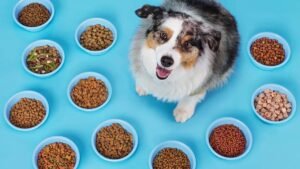
The best nutrition comes from complete and balanced meals that meet the nutritional profiles established by the Association of American Feed Control Officials.
What dogs actually need to eat
- Look for an AAFCO statement on the label confirming the food is “complete and balanced.”
- Check the ingredient list to ensure a high-quality animal protein, such as chicken or beef, is the first item.
- Avoid foods that lack a specific life-stage designation, as puppy, adult, and senior needs differ significantly.
- Store dry kibble in its original bag inside a sealed container to keep oils from going rancid.
- Monitor your dog’s weight; if they gain too much, reduce portions by 10% rather than switching brands.
- Consult your veterinarian if your dog has specific health conditions, as some diets require medical prescription.
Why ingredient quality and safety matter
The primary goal of feeding a dog is providing consistent, safe, and balanced nutrition that supports their specific life stage. Manufacturers that follow the AAFCO Dog and Cat Food Nutrient Profiles ensure that every serving contains the correct ratio of amino acids, vitamins, and minerals. If a diet lacks these ratios, it can lead to long-term health issues like poor coat condition, bone weakness, or organ stress.
Label reading is your most important tool. Ingredients are listed by weight before processing, so the first ingredient should be a named meat source. If the label says “meat meal,” it’s a concentrated protein source and is often a high-quality addition. However, avoid vague terms like “meat by-products” without a species name, as these lack consistency. If you’re unsure about the quality of a specific brand, check the company’s website for their testing protocols. Reputable companies conduct feeding trials rather than just calculating nutritional values on paper.
When the answer is different
| Situation | What changes | What to do instead |
|---|---|---|
| Puppy growth | Calorie density | Feed designated puppy formulas |
| Food allergies | Protein source | Use limited ingredient diets |
| Senior dogs | Metabolic rate | Choose lower calorie recipes |
| Sensitive stomach | Fiber content | Select easily digestible grains |
| High activity | Fat percentage | Provide working dog formulas |
How to do it properly
- Read the back of the package to find the AAFCO statement confirming it’s complete and balanced for your dog’s specific life stage.
- Check the manufacturer’s feeding guide on the bag, which lists the daily amount in standard measuring cups based on your dog’s current weight.
- Measure the food accurately using a standard cup; don’t guess the amount, as overfeeding is a common cause of canine obesity and joint pain.
The mistakes that ruin it
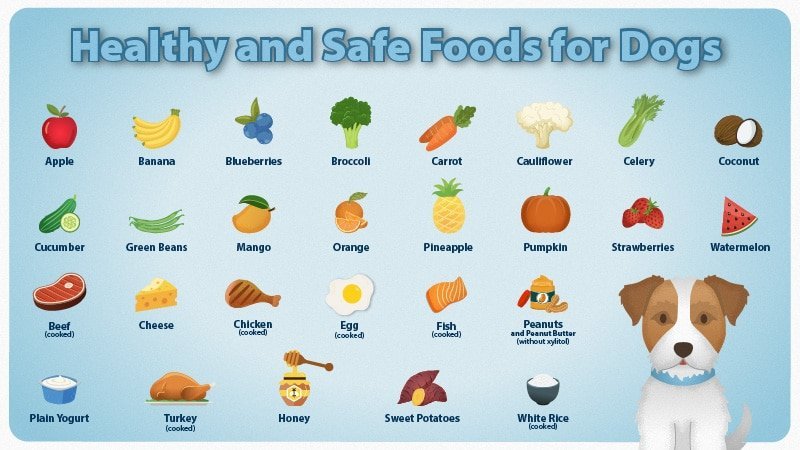
- Adding human table scraps to the bowl disrupts the nutritional balance, which often leads to weight gain and nutrient deficiencies.
- Leaving wet food out for more than two hours promotes bacterial growth, which causes potential food poisoning for your pet.
- Switching food brands too quickly causes severe gastrointestinal distress, resulting in vomiting or diarrhea that may require a vet visit.
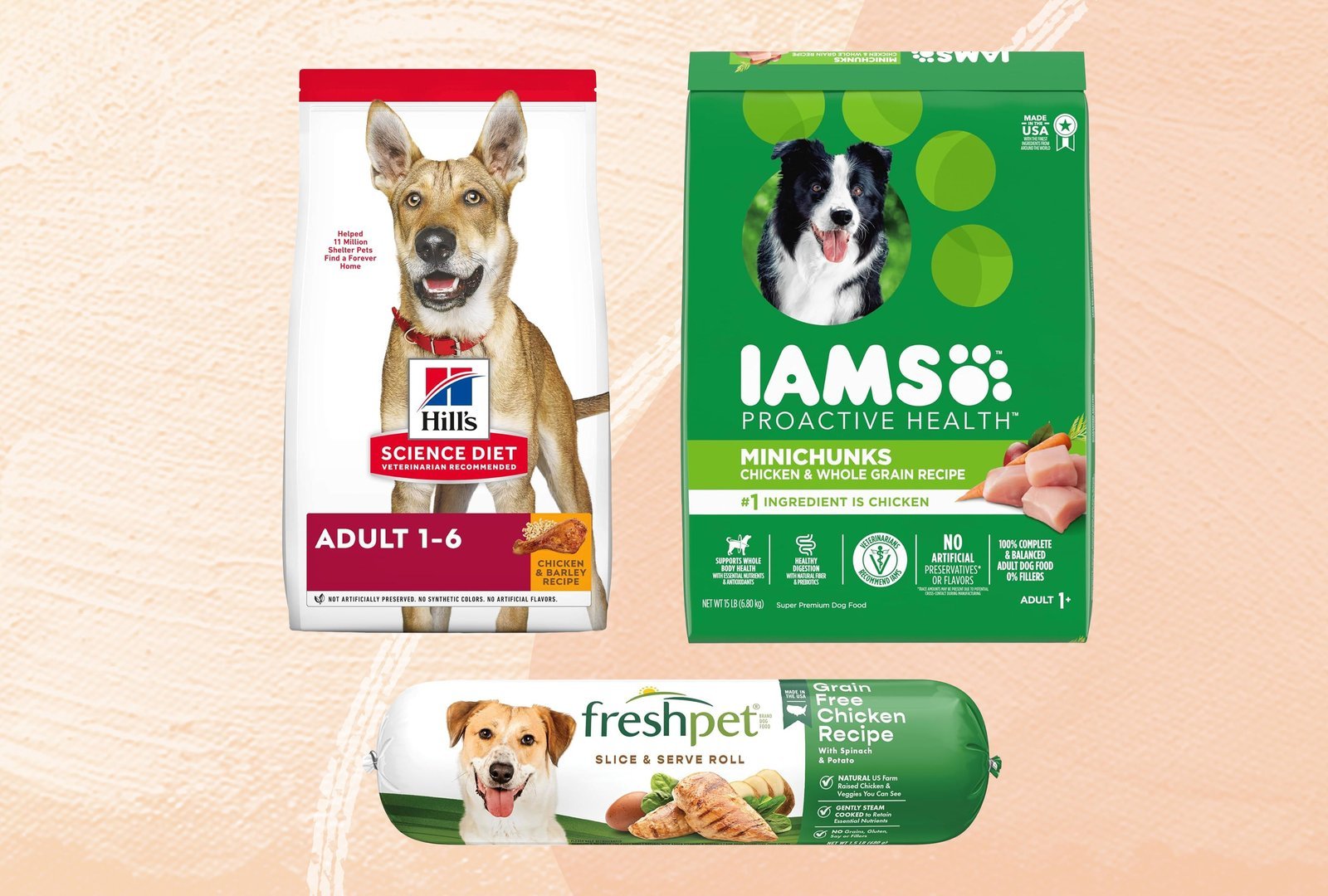
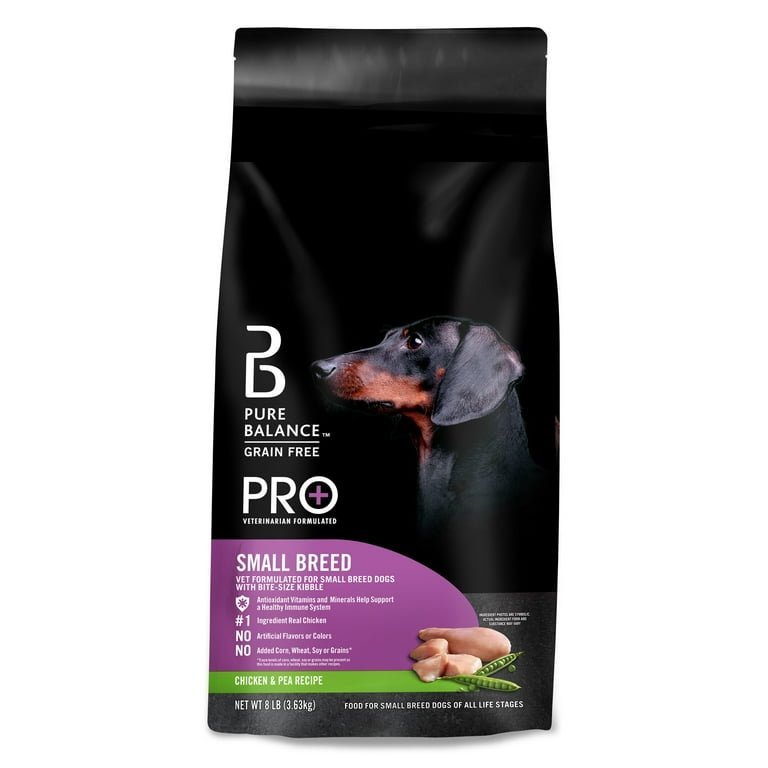
- Buying food based only on the marketing images on the front of the bag leads to choosing products with poor nutritional foundations.
Frequently asked questions
Can I feed my dog human food?
No, most human food isn’t balanced for canine health. While plain cooked chicken or carrots are safe in small amounts, they shouldn’t replace more than 10% of a dog’s daily calories to avoid missing essential nutrients.
How long does dry dog food stay fresh?
Dry food stays fresh for about four to six weeks after opening if stored properly. Always keep it in the original bag inside a cool, dry place to prevent the fats from oxidizing and turning rancid.
Is grain-free food better for dogs?
No, grain-free diets aren’t proven to be healthier for the average dog. Unless your veterinarian has diagnosed a specific grain allergy, grains provide important energy and fiber that support a healthy digestive system.
How do I know if my dog is overweight?
You should be able to feel your dog’s ribs easily without pressing hard. If you can’t feel the ribs, or if your dog lacks a visible waist when viewed from above, they’re likely carrying too much weight.
Does the price of food reflect quality?
Not always, as expensive brands sometimes spend more on marketing than research. The most reliable indicator of quality is the presence of a feeding trial statement and a clear, specific list of ingredients on the label.
What happens if I overfeed my dog?
Overfeeding leads to obesity, which increases the risk of heart disease, diabetes, and joint issues. If you notice your dog gaining weight, reduce their daily portion by 10% and monitor their body shape for two weeks.
Final Thoughts
Choosing the right bowl of food doesn’t have to be a stressful chore. If you’re still unsure about your pup’s specific needs, don’t hesitate to schedule a quick chat with your vet. They’ll help you pick a high-quality option that’ll keep your furry friend happy, healthy, and full of energy for years.
Related guides