

The best nutritional choices are products that meet the AAFCO Dog and Cat Food Nutrient Profiles for your pet’s specific life stage, as the ideal food for your dog depends on their age, activity level, and health history rather than just marketing claims.
Why it works / what to know first
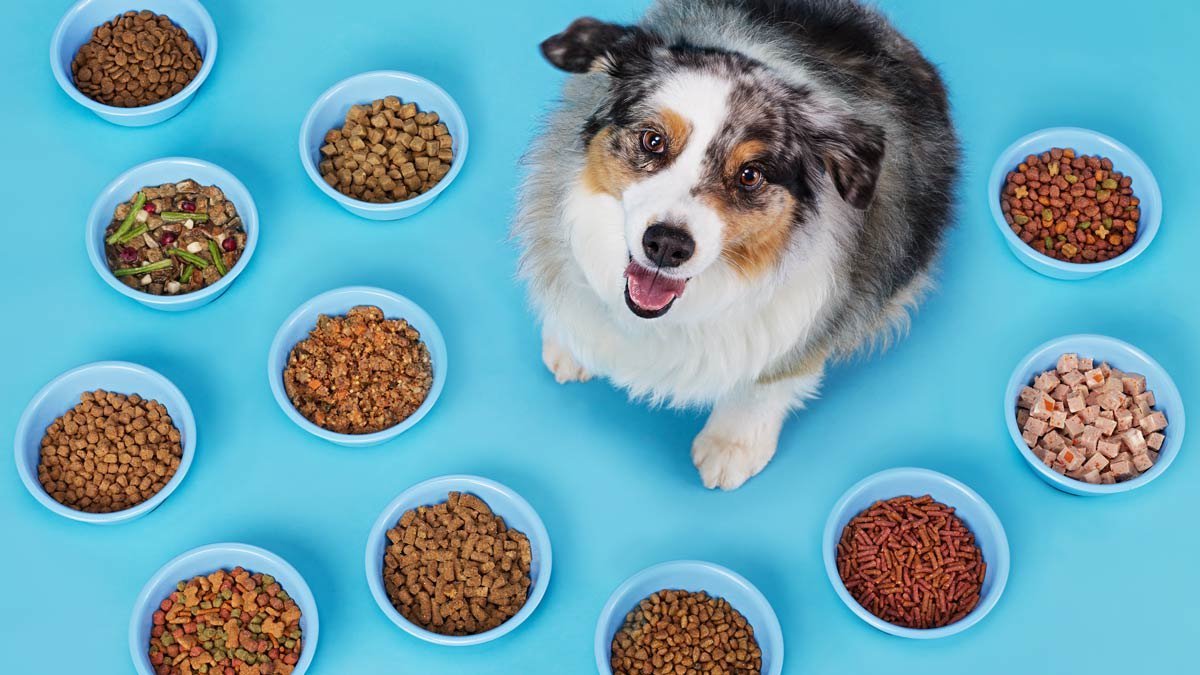
The foundation of quality is a complete and balanced formula. AAFCO guidelines ensure a product contains the necessary vitamins, minerals, and proteins to sustain a dog.
The most common mistake is switching foods too quickly. This often leads to digestive upset, vomiting, or diarrhea. Always transition over seven days by mixing the new food with the old one.
What dog foods are best for dogs
- Calculate your dog’s daily caloric needs based on their weight and activity level, usually found on the bag or through your veterinarian.
- Measure the food precisely using a standard measuring cup or a digital food scale to prevent overfeeding. Tip: Don’t rely on “eyeballing” the amount, as even small errors lead to weight gain over time.
- Mix the new food with the old one, starting with 25% new and 75% old for the first two days.
- Increase to 50% new and 50% old for days three and four, then 75% new for days five and six.
- Provide the full portion of the new food by day seven, provided the dog shows no signs of stomach distress. Tip: If your dog has a sensitive stomach, extend this transition period to ten or fourteen days.
- Consult a board-certified veterinary nutritionist if your dog has specific medical conditions like kidney disease or allergies.
- Monitor your dog’s body condition score regularly, ensuring you can feel but not see their ribs.
How long it takes
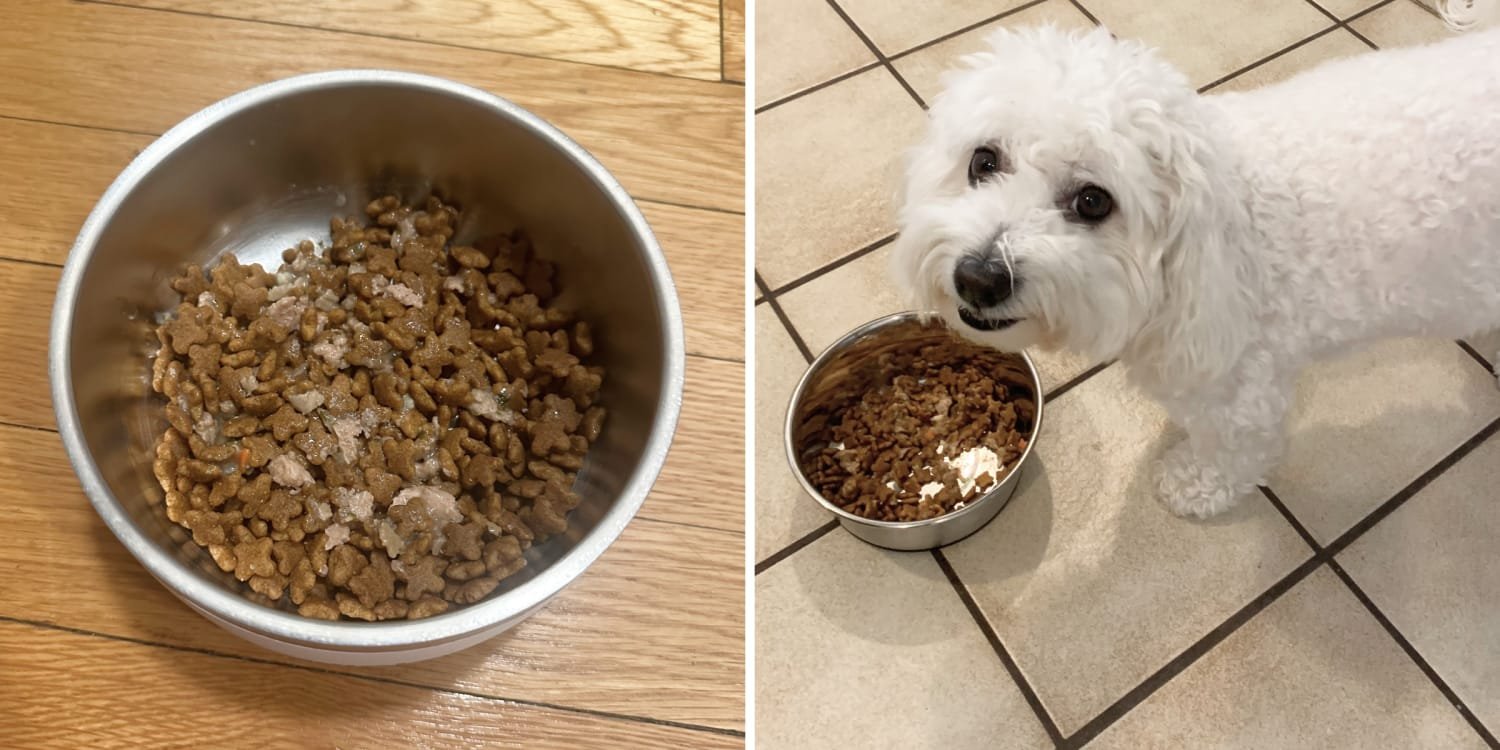
The time required to see the benefits of a high-quality diet varies based on the individual dog’s metabolism and health status.
| Situation | How long | What changes it | What to watch for |
|---|---|---|---|
| Digestive transition | 7-14 days | Sensitivity | Stool consistency |
| Energy level shifts | 2-4 weeks | Activity level | Playfulness |
| Skin and coat health | 6-8 weeks | Breed type | Shedding/shine |
| Weight management | 2-3 months | Metabolism | Rib visibility |
If your dog shows no improvement after three months, check with your vet for underlying issues.
How to tell when it’s done
Doneness in this context refers to your dog reaching their ideal body condition. You should be able to feel their ribs under a thin layer of fat without pressing hard. From a side view, the abdomen should tuck up toward the rear legs. If the dog looks like a straight line from chest to tail, they’re likely overweight. If you see the hip bones clearly, they may be underweight. Always use your hands to feel for the ribs rather than just looking, as fur can hide a dog’s true shape.
Mistakes that ruin it
- Ignoring the transition schedule: Moving to a new diet in one day causes severe gastrointestinal distress for most dogs.
- Adding human food scraps: Adding table scraps creates an imbalance in the dog’s carefully measured nutrient intake and encourages begging. If you want to use treats, ensure they account for no more than 10% of the daily calorie total.
- Buying based on price alone: Cheaper foods often use inconsistent ingredient sourcing that leads to variable nutrient levels. Look for brands that conduct feeding trials to verify their nutritional claims.
- Overfeeding active or senior dogs: A dog’s caloric needs drop as they age or if they become less active. Adjust the portion size immediately if you notice weight gain, regardless of the feeding guide on the bag.
Frequently asked questions
Can I feed my dog human food instead?
No, feeding only human food is risky because it’s difficult to balance the essential vitamins and minerals a dog needs daily. Most home-cooked diets require specific supplements to avoid dangerous deficiencies that lead to long-term health problems.
How do I know if the food is safe?
You can confirm safety by checking if the manufacturer follows AAFCO standards and has a track record of quality control. Reliable companies provide contact information and clear labels, and they should be able to explain their sourcing practices if you call them directly.
Is it safe to switch brands often?
No, most dogs thrive on consistency rather than variety in their diet. Frequent switching often leads to loose stools or food refusal, and it makes it very difficult to identify the cause if your dog develops an allergy or a stomach issue.
What happens if my dog eats too much?
Obesity is a major risk that leads to joint pain, heart issues, and a shorter lifespan. If you notice your dog gaining weight, reduce the portion size by 10% and monitor their body condition score over the next two weeks.
How long can dry food sit out?
Dry food shouldn’t sit in the bowl for more than 24 hours, as it loses freshness and may attract pests. Always keep the bag sealed tightly in a cool, dry place to prevent the fats in the food from going rancid.
Final Thoughts
Before you head to the store, check your dog’s current bag for the AAFCO statement and talk with your vet about any specific needs. They’ll help you spot high-quality ingredients that fit your pup’s lifestyle perfectly. Making the right switch doesn’t have to be stressful, and your best friend will surely appreciate it.
Related guides