
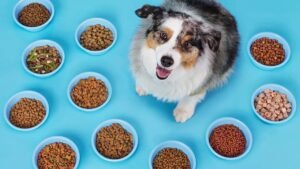
High-quality commercial diets with an AAFCO nutritional adequacy statement provide a balanced, complete profile for your dog.
The short version
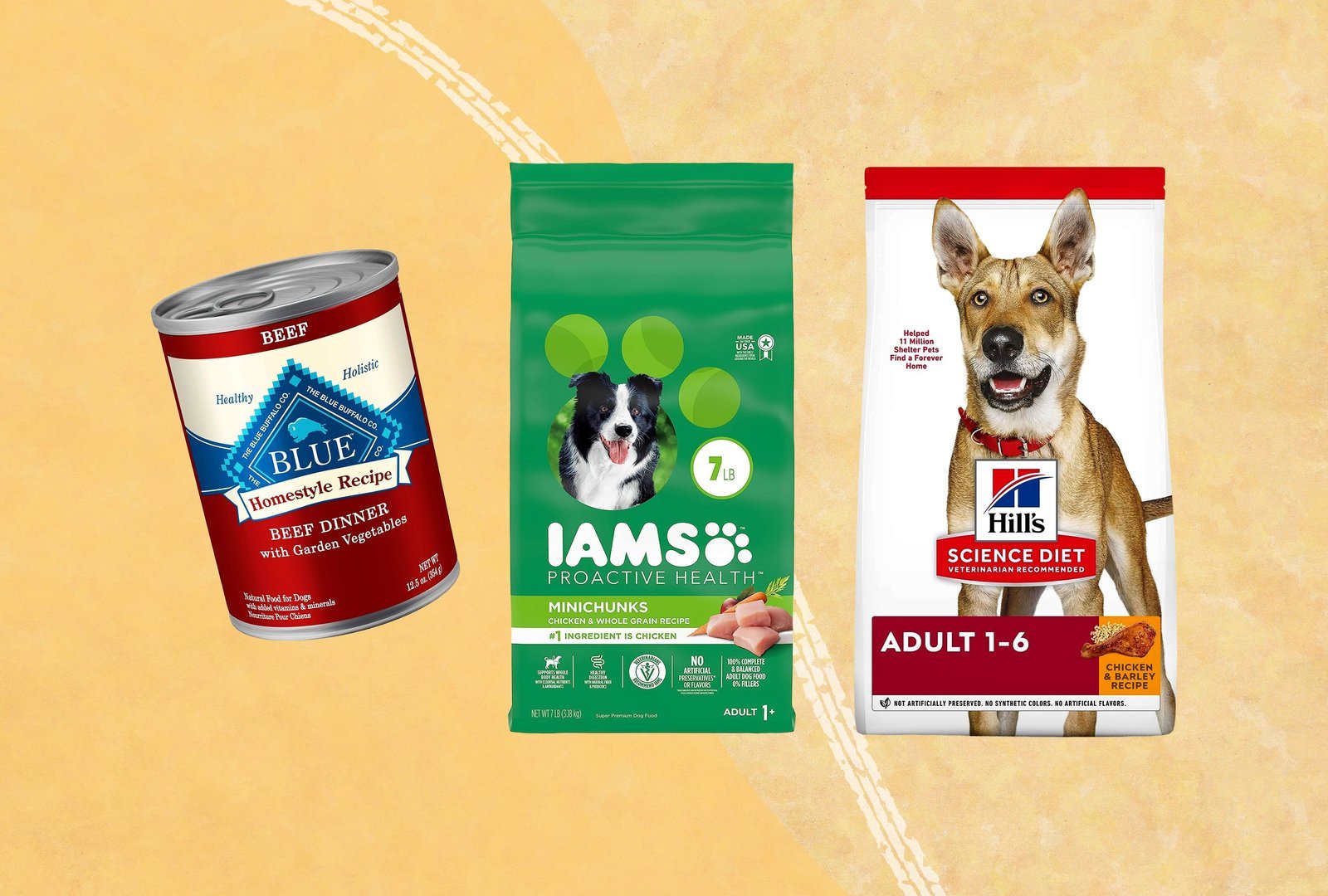
- Choose labels that explicitly state the food meets AAFCO nutrient profiles for your dog’s specific life stage.
- Look for a named animal protein, such as chicken or beef, as the very first ingredient on the bag.
- Prioritize brands that conduct feeding trials rather than just using laboratory analysis to formulate their recipes.
- Store dry kibble in its original packaging inside an airtight container to keep it fresh and prevent mold growth.
- Avoid foods that list generic “meat meal” or “animal by-products” without identifying the specific animal source.
- Check the expiration date on every package to ensure you aren’t feeding expired or degraded nutrients.
Why ingredient transparency matters
Selecting the right nutrition requires looking past flashy marketing to find factual evidence of quality. The most reliable indicator is the Association of American Feed Control Officials statement, which confirms the food provides a complete and balanced diet. This ensures that the ratios of calcium, phosphorus, and essential amino acids meet the biological needs of a canine.
Manufacturers often use the term “complete and balanced” to indicate that the food contains every nutrient a dog requires in the correct proportions. If a product lacks this statement, it’s likely intended for supplemental feeding only and can’t serve as a primary diet. You should always inspect the ingredient list for specific protein sources rather than generic labels. Generic terms often hide inconsistent quality that changes based on market availability. By choosing companies that invest in long-term feeding trials, you ensure the food isn’t just theoretically nutritious but has been proven healthy in real-world conditions.
When the answer is different
| Situation | What changes | What to do instead |
|---|---|---|
| Puppy under one year | Higher energy needs | Buy puppy-specific formulas |
| Senior dogs | Lower metabolism | Choose weight-management diets |
| Sensitive stomachs | Digestion needs | Consult your local vet |
| Large breeds | Growth rates | Pick large-breed specific food |
| Grain allergies | Ingredient profile | Use grain-free alternatives |
How to do it properly
- Identify your dog’s life stage, such as puppy, adult, or senior, to narrow down the appropriate nutrient requirements for their age.
- Read the back of the package for the AAFCO statement to confirm the food is nutritionally complete for your specific dog’s life stage.
- Measure the daily portion using a standard kitchen scale rather than a cup, adjusting based on the weight listed on the bag.
- Transition your dog to the new food slowly over seven days by mixing twenty-five percent new food with seventy-five percent old food.
- Increase the new food ratio gradually until the dog is eating one hundred percent of the new diet.
- Monitor your dog’s stool consistency and energy levels daily; if you see persistent changes, stop and contact your veterinarian for advice.
The mistakes that ruin it
- Switching foods abruptly causes significant digestive distress and can lead to vomiting or diarrhea.
- Adding too many human table scraps dilutes the balanced nutrients, which creates long-term health imbalances.
- Leaving canned food out for more than two hours promotes bacterial growth, posing a serious safety risk.
- Overfeeding based on “eye-balling” amounts leads to rapid weight gain and puts strain on your dog’s joints.
Frequently asked questions
Can I mix wet and dry food?
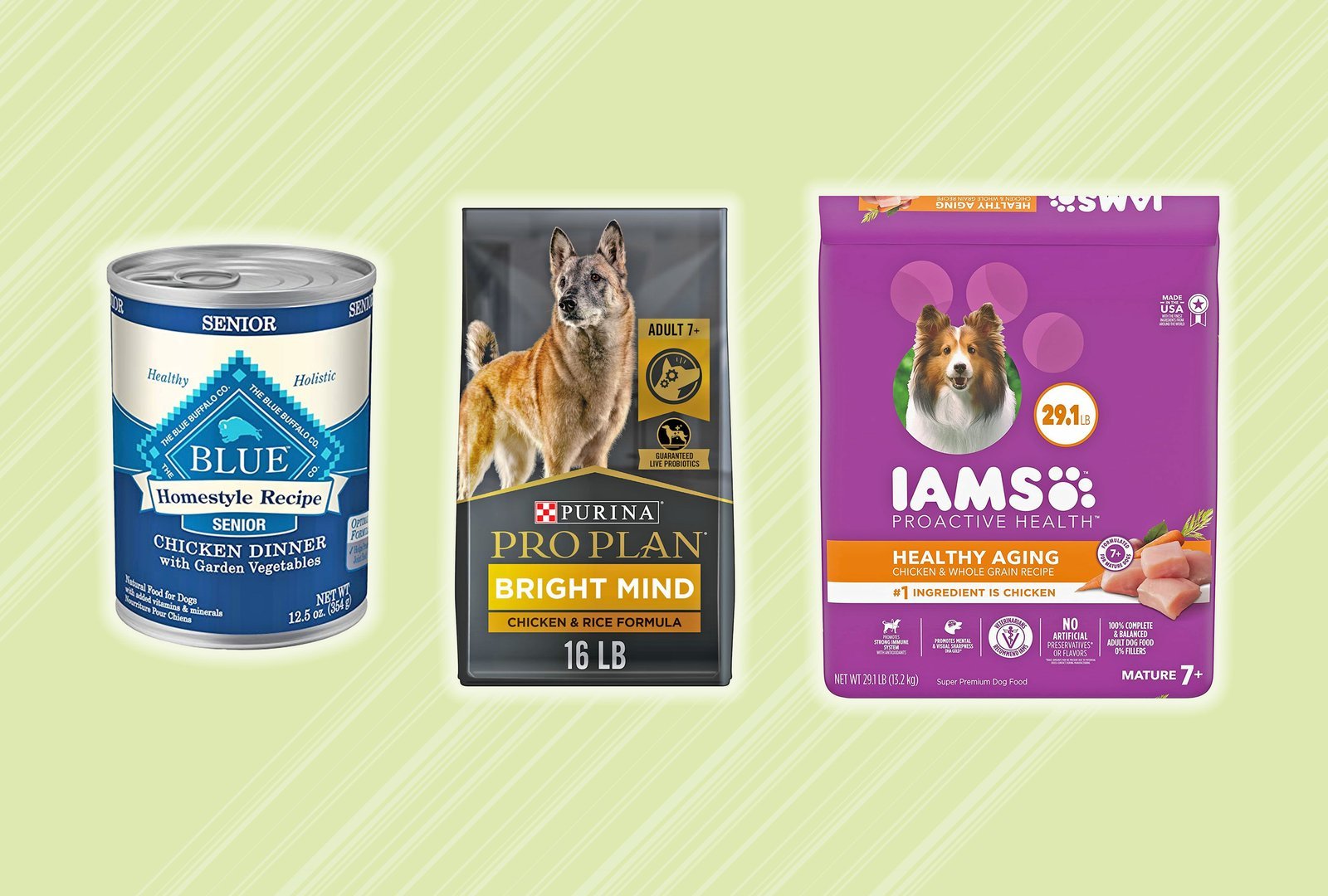
Yes, you can mix wet and dry food to improve palatability or hydration. Ensure you calculate the total calories from both sources so you don’t exceed your dog’s daily requirement, as wet food is often more calorie-dense by weight.
Is grain-free food better?
No, grain-free food isn’t inherently better unless your dog has a diagnosed grain allergy. Most dogs digest grains like rice or oats easily, and these ingredients provide essential fiber and energy that support healthy digestion and heart function.
How long does dry food stay fresh?
Dry food typically stays fresh for about six weeks after opening if kept in a cool, dry place. Always check the “best by” date on the package and store the bag inside a sealed container to keep moisture and pests out.
What are animal by-products?
Animal by-products are non-rendered, clean parts of slaughtered animals, such as livers or lungs, which are highly nutritious. They aren’t the same as waste products and can provide essential vitamins and minerals that dogs need for a balanced diet.
Does the price of food matter?
Yes, price often reflects the quality of ingredients and the amount of research behind the formula. Expensive brands usually fund clinical trials and use higher-quality protein sources, but always verify the AAFCO statement regardless of the price point.
How often should I feed my dog?
Most adult dogs thrive on two meals per day, while puppies require three or four smaller meals to maintain energy. Check the feeding guide on your specific brand’s label, as caloric density varies significantly between different formulas and manufacturers.
Final Thoughts
Choosing the right meal isn’t just about labels; it’s about watching how your pup thrives day to day. If you’re still unsure which bag to pick, don’t hesitate to chat with your vet during your next visit. They’ll help you find a healthy option that’s perfect for your best friend’s needs.