
If you are wondering what dry dog food is best for my dog, the answer is a product that meets AAFCO standards for your pet’s specific life stage.
Choosing the right food relies on verifying the nutritional adequacy statement on the bag. This ensures the recipe provides a complete and balanced diet for your dog. The most common mistake owners make is choosing based on marketing buzzwords like “natural” or “holistic” rather than checking the label for the AAFCO statement. If the bag lacks this information, don’t feed it to your dog.
What dry dog food is best for my dog?
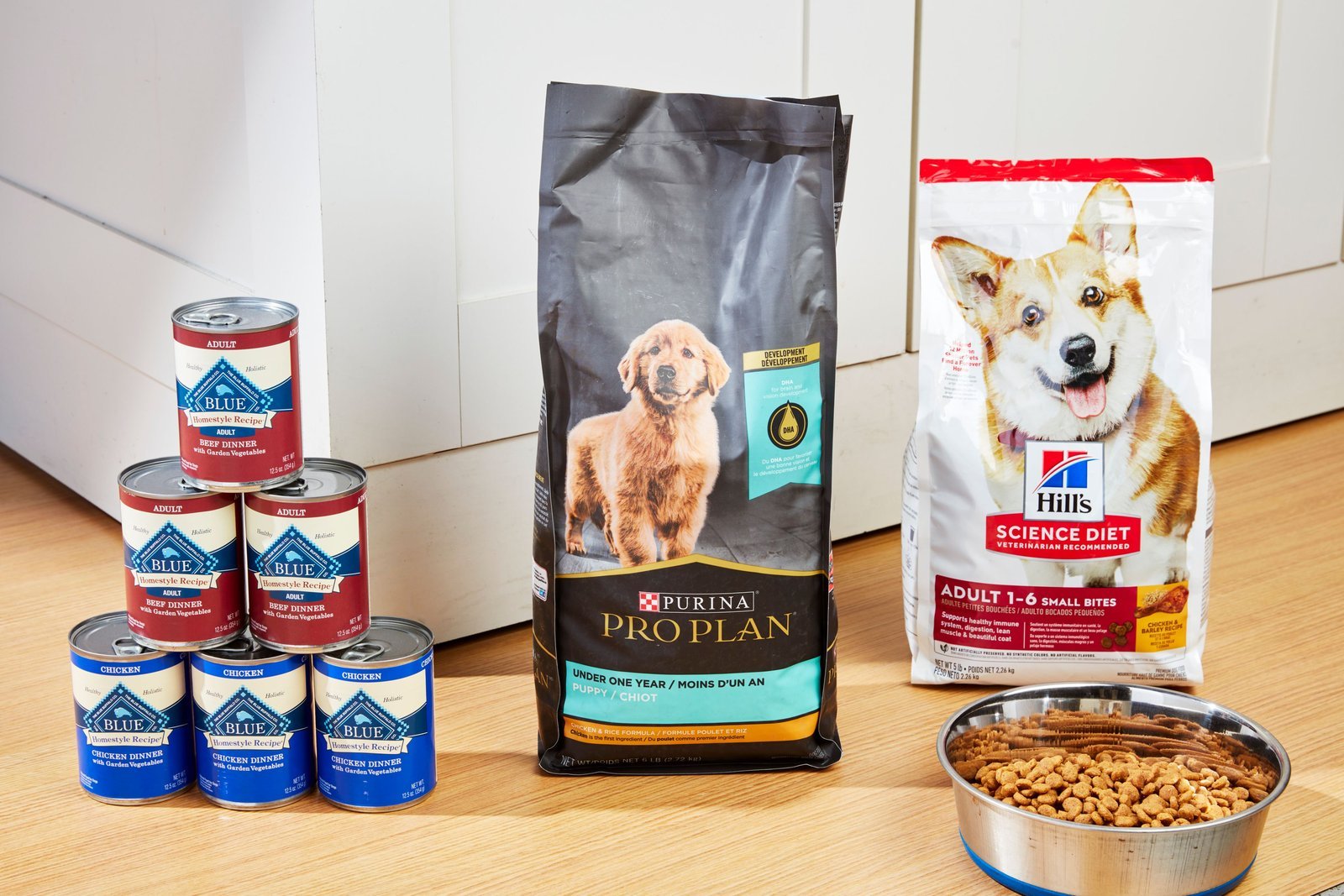
- Check the bag for the AAFCO statement which confirms the food is nutritionally complete for your dog’s life stage.
- Review the ingredient list to ensure a high-quality protein source like chicken, beef, or fish is the first ingredient.
- Consult with your veterinarian to determine if your dog needs a specific formula for high activity levels, weight management, or sensitive skin.
- Transition your dog to the new food slowly over 7 to 10 days by mixing increasing amounts of the new food with the old.
- Monitor your dog’s weight and coat condition for 4 weeks after the switch to ensure the food meets their energy needs.
Tip: If your dog has a known food allergy, look for formulas with a single source of protein and limited carbohydrate ingredients.
How long it takes
The time required to see the effects of a new diet depends on the dog’s metabolism and health status.
| Situation | Timeframe | What changes it | What to watch for |
|---|---|---|---|
| Transitioning diet | 7-10 days | Digestive sensitivity | Loose stools or vomiting |
| Weight adjustment | 4-8 weeks | Activity levels | Body condition score |
| Coat health | 6-12 weeks | Omega fatty acid content | Shine and skin flaking |
If your dog shows signs of lethargy or persistent digestive upset after two weeks, contact your veterinarian immediately for guidance.
How to tell when it’s done
You can judge the quality of a diet by monitoring your dog’s physical health markers. A dog thriving on their food will have a shiny, soft coat and firm, consistent stools.
Check the AAFCO statement on the packaging for the specific life stage. If the label says “all life stages,” it’s formulated to meet the high-calorie requirements of growth. Feeding this to a sedentary adult dog often leads to rapid weight gain.
If your dog has a dull coat, persistent shedding, or lacks energy, the food may not be providing the correct balance of nutrients for their specific lifestyle. A simple decision rule applies here: if your dog gains weight on the recommended portion, switch to a formula with lower fat content. If they lose weight or seem lethargic, increase the protein density rather than just the volume of food served.
Mistakes that ruin it
- Ignoring the transition phase: Switching food instantly often leads to severe stomach upset and diarrhea. Always mix the new food with the old over a full week to allow the gut bacteria to adjust.
- Overfeeding based on bag guidelines: Every dog has a unique metabolism, and standard bag amounts are often too high. Use the guidelines as a starting point and adjust the portion size based on your dog’s body condition score.
- Adding too many table scraps: Treats and human food can unbalance a carefully formulated commercial diet. Limit extra calories to ten percent of your dog’s total daily intake to maintain nutritional integrity.
Frequently asked questions
Can I feed my puppy adult dog food?
No, you shouldn’t feed puppy-specific formulas to an adult, nor adult food to a growing puppy. Puppies require higher levels of protein and calcium for healthy skeletal development. Adult food lacks these specific ratios, which can lead to growth deficiencies or long-term health issues in young dogs.
How do I know if the food is high quality?
Look for a clear nutritional adequacy statement from the AAFCO on the packaging. High-quality foods list a named animal protein as the first ingredient and provide guaranteed analysis percentages for protein, fat, fiber, and moisture to ensure consistency across every batch you purchase.
Is grain-free food better for my dog?
No, grain-free diets aren’t inherently better unless your dog has a diagnosed grain allergy. Most dogs digest grains like rice, oats, and barley perfectly well. Unless your veterinarian identifies a specific intolerance, there’s no clinical advantage to removing healthy grains from your dog’s daily meals.
What happens if I change my dog’s food too fast?
Changing food too quickly typically causes gastrointestinal distress, including vomiting, gas, and diarrhea. This happens because the dog’s digestive system needs time to adapt to new proteins, fats, and fiber sources. Always follow a gradual transition schedule to keep your dog comfortable during a diet change.
How long can I keep dry dog food fresh?
Dry dog food stays fresh for about four to six weeks after opening if stored in a cool, dry place. Keep the food in its original bag to maintain the fat-soluble vitamins and prevent oxidation. Always check the “best by” date on the package before serving.
Final Thoughts
Choosing the right bowl of kibble doesn’t have to be overwhelming. Once you’ve narrowed down your options, pick up a small bag to see how your pup enjoys the flavor. If they’re excited at mealtime and their coat looks healthy, you’ve likely found a perfect match that’ll keep them happy for years.
Related guides