
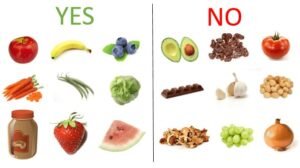
Knowing what food can be given to dogs involves healthy proteins, cooked vegetables, and specific fruits to support their daily nutrition.
A Quick Guide to What Food Can Be Given to Dogs
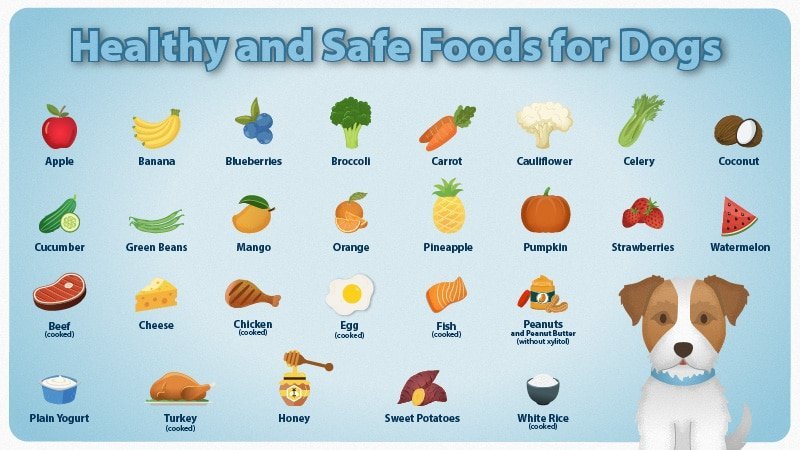
- Serve plain, cooked chicken or turkey breast without skin, bones, or added seasonings.
- Offer small pieces of raw or steamed carrots, green beans, and cucumber as crunchy snacks.
- Feed plain, cooked white rice or sweet potato to help settle an upset stomach.
- Provide sliced apples or blueberries only after removing all seeds, stems, and pits.
- Limit treats to no more than 10% of your dog’s total daily caloric intake.
- Consult your veterinarian before adding new human foods to a dog with existing health issues.
Why specific foods are safe
Feeding your pet requires knowing which human foods provide nutrients and which pose risks. Dogs are omnivores, but their digestive systems process certain plant-based fibers and proteins differently than ours. Lean meats like chicken provide essential amino acids for muscle maintenance, while cooked vegetables offer fiber that aids digestion. However, you must be careful, as some common pantry items are dangerous. For example, the AKC list of foods to avoid details how substances like xylitol, found in many sugar-free snacks, can lead to life-threatening drops in blood sugar. If you’re unsure about a specific item, check the label for hidden ingredients like garlic or onion powder, which are toxic to canine red blood cells. Always prioritize plain, whole foods over processed human snacks, as the latter often contain high levels of sodium or fat that can trigger pancreatitis in sensitive dogs.
When the answer is different
| Situation | What changes | What to do instead |
|---|---|---|
| Puppy diet | Needs more energy | Feed specialized puppy kibble |
| Senior dogs | Lower metabolism | Reduce daily portion sizes |
| Food allergies | Sensitive skin/gut | Use limited ingredient diets |
| Overweight dogs | Calorie limit | Use green beans as filler |
| Kidney issues | Protein restriction | Follow vet-prescribed renal diet |
How to do it properly
- Start by boiling plain chicken breast in water until it reaches an internal temperature of 165°F to ensure all harmful bacteria are destroyed.
- Remove all skin and bones from the cooked meat, as these are choking hazards and can cause serious intestinal blockages for your pet.
- Cut vegetables like carrots into bite-sized pieces, roughly one inch long, to prevent your dog from swallowing them whole and choking.
- Remove all seeds and stems from fruits like apples, as they pose a choking hazard.
- Mix a small portion of plain white rice with their regular kibble if they have loose stools, using one part rice to three parts food.
- Monitor your dog for 24 hours after introducing a new food to watch for signs of vomiting, diarrhea, or itching on their skin.
- Adjust the total amount of their regular meal down by the same number of calories you provided in the form of extra snacks.
The mistakes that ruin it
- Feeding dogs cooked bones, which splinter easily and can puncture the stomach lining or intestines.
- Using seasonings like garlic, onion, or excessive salt, which can cause anemia or dehydration in your pet.
- Giving grapes or raisins, which can lead to sudden kidney failure even in very small quantities.
- Providing high-fat table scraps, which often trigger painful inflammation of the pancreas that requires emergency care.
Frequently asked questions
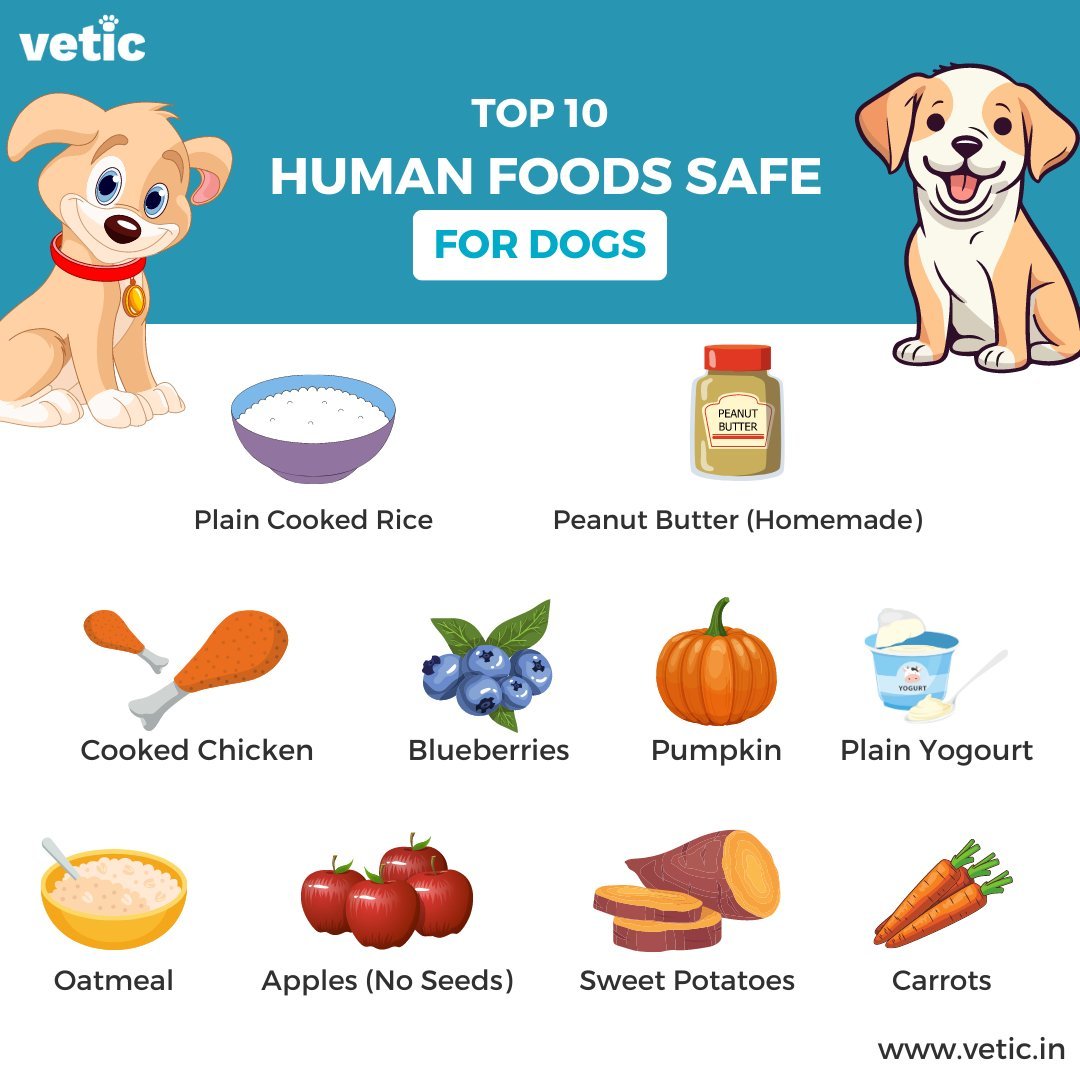
Can dogs eat peanut butter?
Yes, you can give them peanut butter, but only if it contains no xylitol. Always check the ingredients label carefully, as this sweetener is toxic to dogs and even a small amount can cause dangerous drops in blood sugar.
Is it safe to feed dogs raw eggs?
No, it isn’t recommended to feed raw eggs due to the risk of salmonella or E. coli bacteria. Cooking the eggs thoroughly until the yolk and white are firm makes them a safe source of protein for your dog.
How much fruit can a dog have?
You should limit fruit to just one or two small pieces per day as a treat. Fruit contains natural sugars, so overfeeding can lead to unwanted weight gain or digestive upset in dogs that aren’t used to high-fiber diets.
What happens if my dog eats chocolate?
Chocolate contains theobromine, which is toxic to dogs and can cause heart arrhythmias or seizures. If your dog consumes any amount of dark chocolate or baking cocoa, contact your veterinarian or an animal poison control center immediately for guidance.
Can dogs eat dairy products?
Most dogs are lactose intolerant and can’t digest milk or cheese well. If you choose to offer a small piece of plain cheese, watch for signs of gas or diarrhea to see if your specific dog can handle the lactose.
Does it matter if the food is organic?
No, the nutritional value for a dog is the same whether the food is organic or conventional. The most important factor is ensuring the food is plain and free from toxic additives like onions, garlic, or artificial sweeteners.
Final Thoughts
Always check with your vet before introducing new items to your pet’s bowl, as every dog’s stomach is unique. Start with tiny portions to see how they react, and you’ll soon find the perfect treats they love. It’s a simple way to keep your best friend happy and feeling their best.