
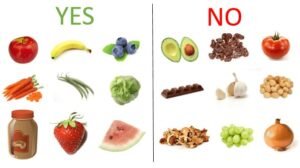
If you are wondering what food can i give to my dog, you can offer lean proteins like cooked chicken, plain white rice, and fresh vegetables like carrots or green beans.
Dietary basics
The most important rule is that human food should only make up ten percent of your pet’s daily calorie intake. If you feed more, you risk causing nutritional imbalances or obesity. The biggest mistake people make is feeding dogs table scraps seasoned with onions, garlic, or excessive salt, which can lead to serious health issues like anemia or kidney stress. Always introduce new items in tiny amounts to see if your dog has an upset stomach.
What food can I give to my dog?
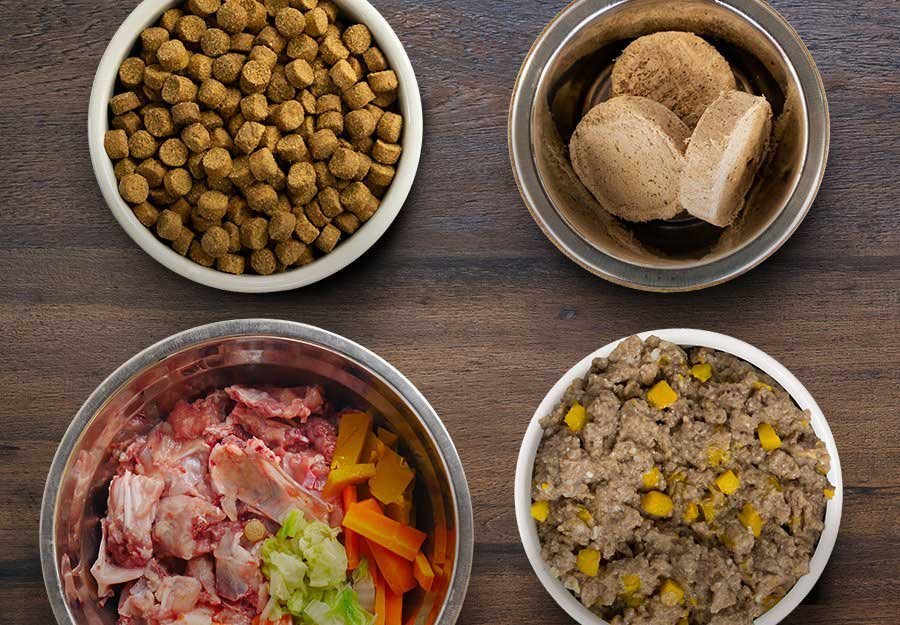
- Remove all skin, fat, and bones from any meat products before serving. Cooked poultry bones splinter easily and can puncture the digestive tract.
- Steam or boil vegetables like carrots, green beans, or broccoli without adding any salt, butter, oil, or seasonings.
- Serve plain, cooked white rice or sweet potato as a bland filler if your dog has a sensitive stomach. Check the ingredient label on any processed food you share to ensure no harmful additives like xylitol or caffeine are present. Tip: Always wash fresh produce thoroughly to remove pesticides before cooking. Tip: If your dog shows signs of lethargy or vomiting after a new food, stop immediately and call your veterinarian.
- Keep a log of what you feed to track potential allergies or sensitivities over time.
Feeding time variations
| Item | Serving Size (Medium Dog) | Preparation Method | Frequency |
|---|---|---|---|
| Chicken | 1/4 cup | Boiled, no skin/bones | Occasional |
| Carrots | 1-2 pieces | Steamed or raw | Daily |
| White Rice | 1/2 cup | Plain, boiled | As needed |
| Green Beans | 1/4 cup | Steamed, no salt | Daily |
If your dog isn’t interested in the food or acts sluggish after eating, consult a professional to ensure the diet matches their specific health needs.
How to tell when it’s done
When preparing proteins, ensure they’re cooked until they reach a safe internal temperature of 165°F to kill harmful bacteria like Salmonella. You can check this using a digital meat thermometer inserted into the thickest part of the meat. For vegetables, the texture should be tender enough to mash with a fork. If you’re uncertain about the specific needs of your breed, check the official guidance from the American Kennel Club, as nutritional requirements vary by age and activity level. If the food isn’t cooked through, don’t serve it, as raw meat carries a high risk of bacterial contamination.
Mistakes that ruin it
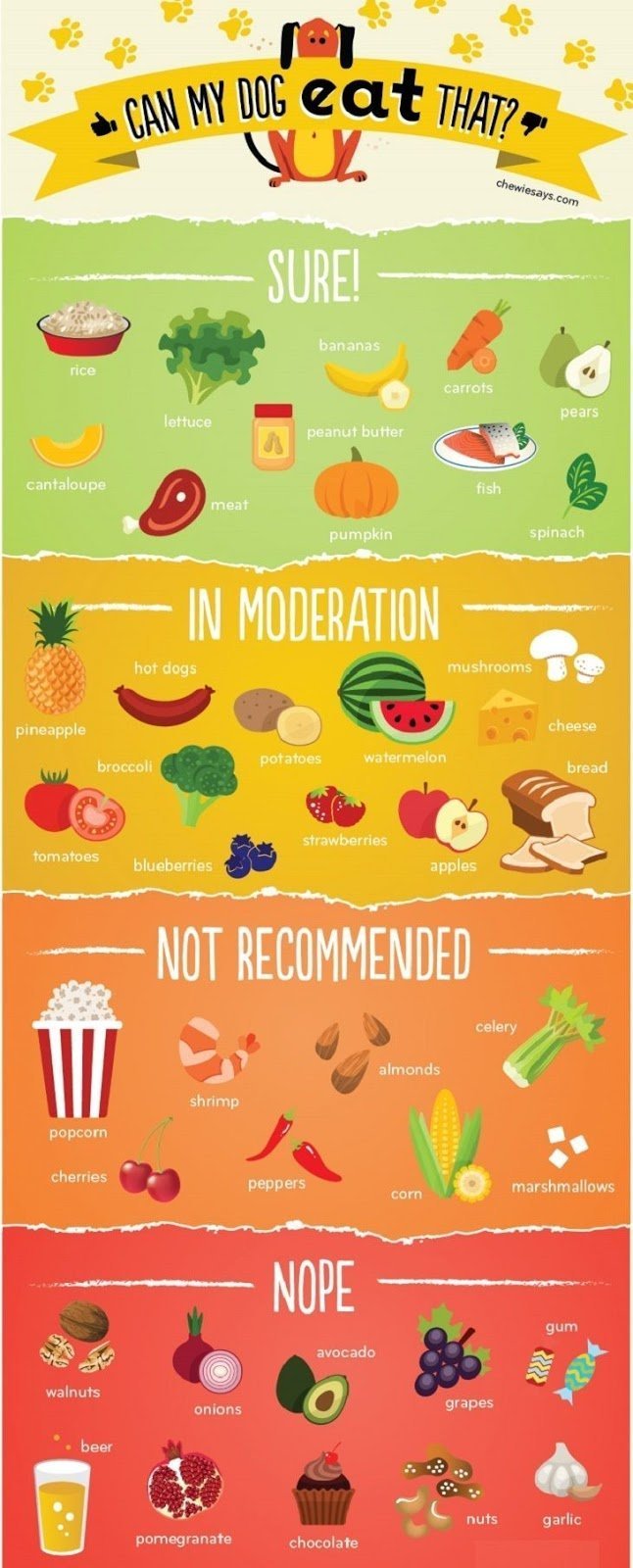
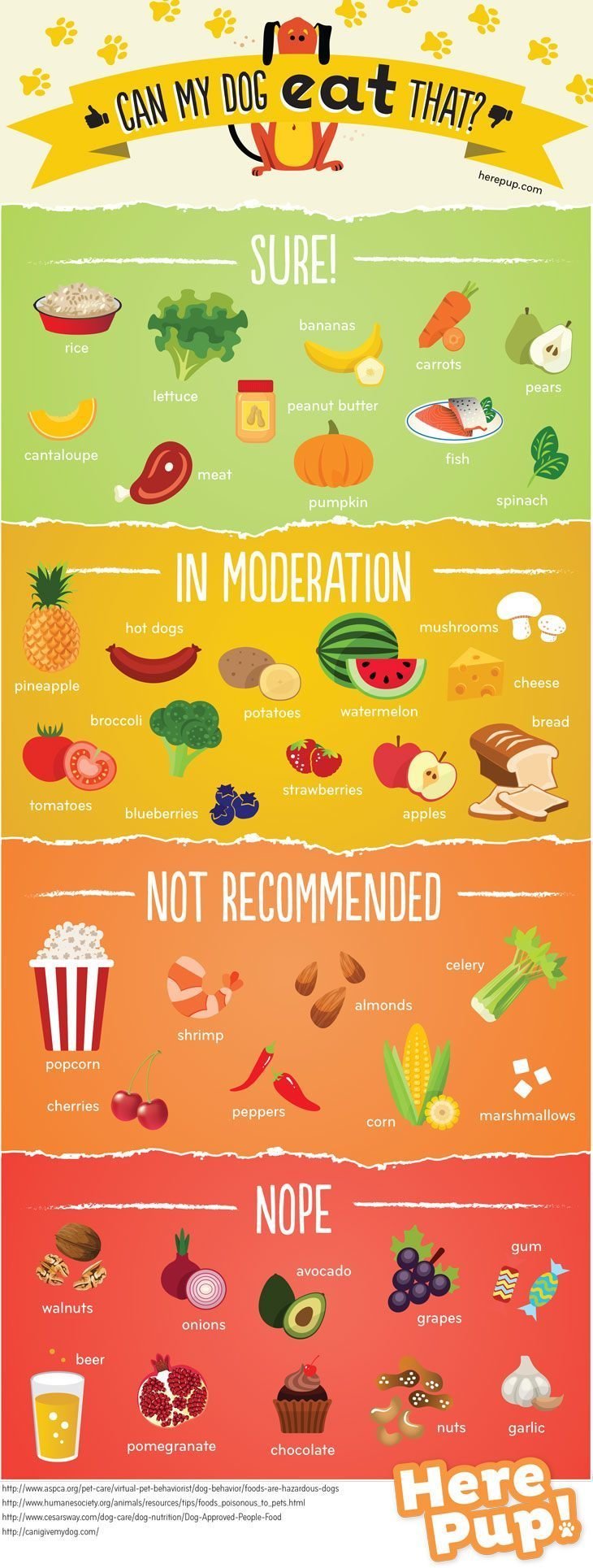
- Adding seasonings: Ingredients like garlic, onion, and chives are toxic to dogs and can cause dangerous changes to their red blood cells. Always keep seasonings strictly for human plates.
- Feeding high-fat leftovers: Rich, fatty scraps often lead to pancreatitis, a painful and expensive condition requiring immediate medical intervention. Stick to lean, unseasoned cuts of meat.
- Ignoring portion control: Giving too much human food causes your dog to reject their nutritionally complete kibble. Keep “people food” as a treat, not a primary meal replacement.
- Offering unsafe fruits: Grapes, raisins, and cherries contain compounds that can cause sudden kidney failure in dogs. Never leave these items where your pet can reach them.
Frequently asked questions
Can dogs eat peanut butter?
Yes, you can give your dog small amounts of peanut butter, provided it doesn’t contain xylitol. Always check the label carefully, as xylitol is a sugar substitute that’s extremely toxic to dogs even in tiny quantities. Stick to natural, unsalted varieties to keep the fat and sugar content low.
Is it safe to feed my dog raw eggs?
No, it isn’t recommended to feed your dog raw eggs because of the risk of Salmonella and E. coli. Cooking the eggs thoroughly until the yolk and white are firm removes this risk. If you choose to serve them, do so in moderation to avoid digestive upset.
What happens if my dog eats chocolate?
Chocolate contains theobromine and caffeine, which are stimulants that can cause heart rhythm issues, tremors, or seizures in dogs. Dark chocolate and baking cocoa are the most dangerous types. If your dog eats any amount of chocolate, contact your emergency veterinarian or a pet poison control center immediately.
How long can I store leftover cooked food?
You can store cooked, unseasoned food in the refrigerator for up to three days in an airtight container. If you have extra, freeze it in small portions and thaw it in the fridge before serving. Never serve food that has been sitting out at room temperature for more than two hours.
Can dogs eat bread?
Yes, dogs can eat small pieces of plain, fully cooked white or whole wheat bread occasionally. Avoid bread with raisins, nuts, or garlic, as these ingredients are harmful. Bread offers no real nutritional value, so it should only be a rare treat rather than a diet staple.
Final Thoughts
Before introducing anything new, it’s always best to chat with your vet to make sure these treats fit your pup’s unique needs. They’ll help you create a balanced plan that keeps your furry friend happy and healthy. You’re doing a great job, so keep watching for those happy tail wags!