
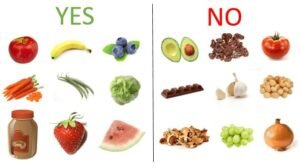
When considering what food can we give to dogs, most thrive on plain, cooked meats, specific vegetables, and fruits, provided they’re prepared without harmful additives.
What food can we give to dogs: A Quick Guide
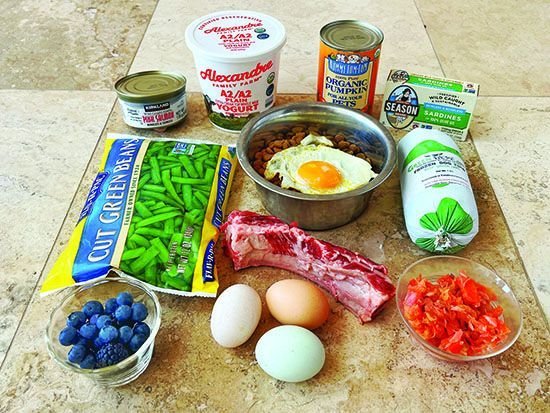
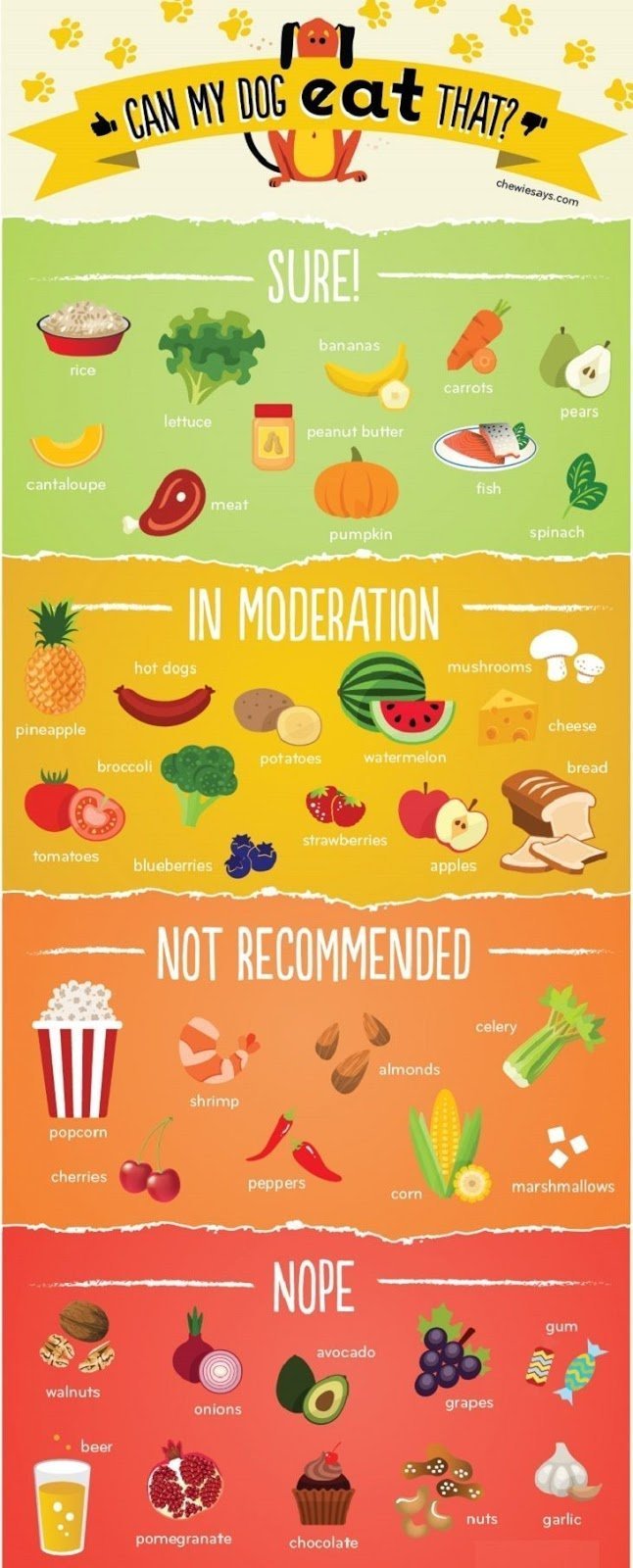
- Cooked chicken, turkey, and beef should be served plain, without salt, onions, or garlic.
- Plain, steamed carrots, green beans, and cucumber slices make excellent, low-calorie treats for most dogs.
- Small amounts of blueberries or sliced apples, with all seeds and cores removed, are safe snacks.
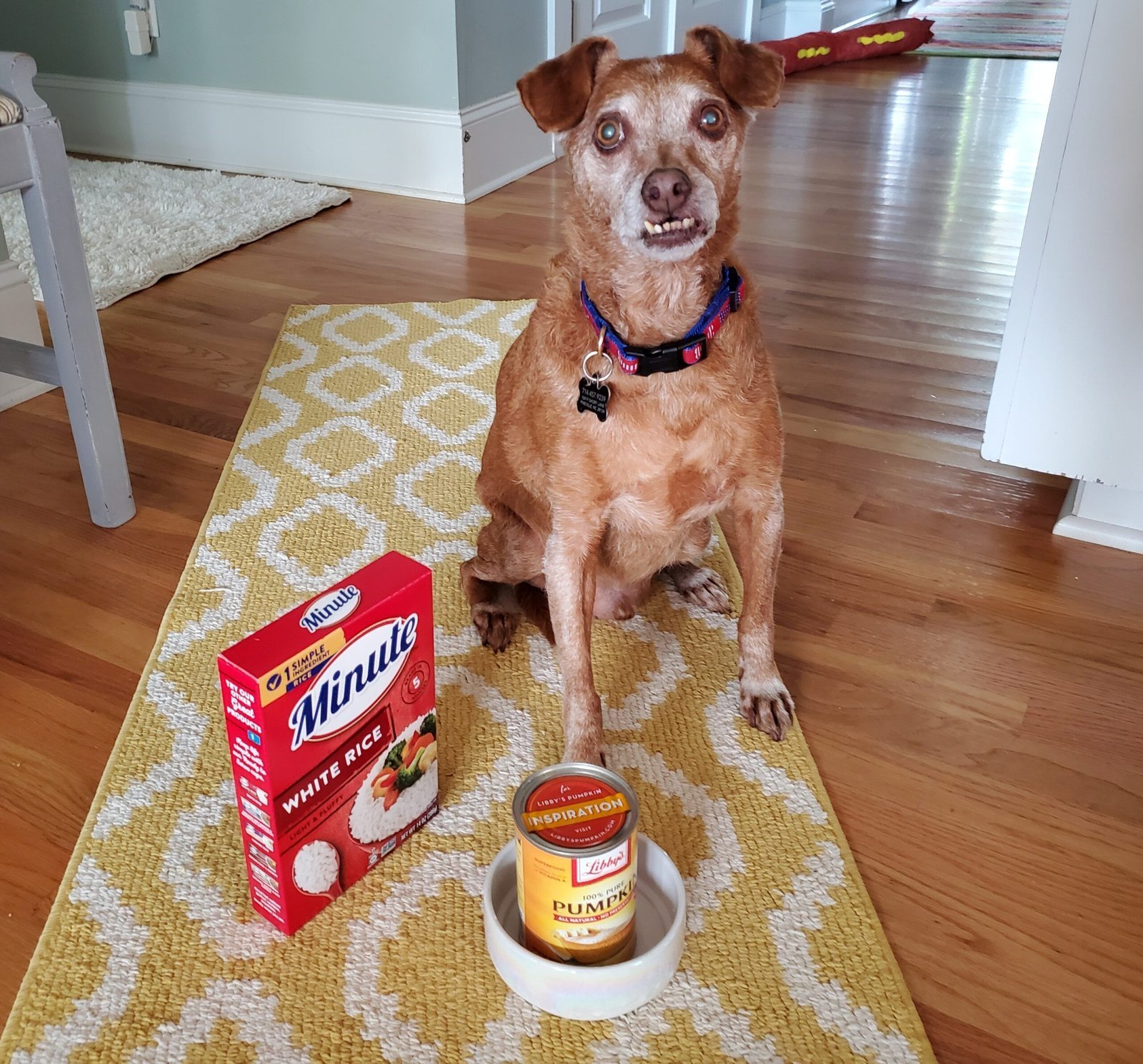
- Plain cooked white rice or pumpkin can help soothe an upset stomach when served in small portions.
- Always avoid grapes, raisins, chocolate, onions, garlic, macadamia nuts, and anything containing xylitol.
- If your dog has a known health condition, consult your veterinarian before changing their diet significantly.
Why ingredient safety matters for dogs
The primary reason for strict food selection is that dogs have different metabolic processes than humans. Many common household items contain compounds that a dog’s liver can’t process, leading to severe illness or organ failure. For instance, the American Kennel Club’s toxic food list identifies specific substances like theobromine in chocolate and allium species like onions that damage red blood cells in dogs.
If you’re unsure about a specific item, check the official database of the ASPCA Animal Poison Control Center. Never guess if a food is safe. A mistake here often results in emergency veterinary visits. If X is a new food, introduce it in a tiny amount; if Y is a known allergen, avoid it entirely. This varies by individual—some dogs have sensitive stomachs that react to even minor changes in fiber or fat levels.
When the answer is different
How to do it properly
- Wash all vegetables thoroughly under cold running water to remove pesticides or soil before you begin any food preparation.
- Remove all skin, fat, and bones from chicken, turkey, or beef, as cooked bones can splinter and cause internal damage.
- Steam vegetables like carrots or green beans for 5 to 8 minutes until soft, ensuring they’re cool before serving.
- Peel apples and remove every seed and the core, as these contain cyanide-producing compounds that are harmful to your dog.
- Mix no more than one tablespoon of cooked plain pumpkin into their regular kibble if you notice minor digestive issues.
- Monitor your dog for 24 hours after introducing a new food to check for vomiting, diarrhea, or unusual skin irritation.
The mistakes that ruin it
Adding butter, salt, or garlic to dog food causes pancreatitis or severe gastrointestinal distress. These ingredients trigger inflammation in the pancreas, often requiring expensive emergency veterinary intervention.
Feeding grapes or raisins can lead to sudden kidney failure, even in very small quantities. Owners often mistakenly assume that size dictates toxicity, but even a single grape can cause permanent organ damage in a small breed.
Giving macadamia nuts causes tremors and weakness, which can be terrifying for the animal and the owner. If your dog consumes these, monitor them for ataxia within twelve hours.
Ignoring the calorie count leads to rapid weight gain, which puts dangerous stress on a dog’s joints. If your dog’s ribs aren’t palpable under a light touch, reduce their daily intake by ten percent immediately.
Frequently asked questions
Can dogs eat peanut butter?
Yes, but only if the brand is 100% natural and free of xylitol. Xylitol is a sweetener that’s highly toxic to dogs and can cause fatal drops in blood sugar within minutes.
Is it safe for dogs to eat eggs?
Yes, cooked eggs are a great source of protein for dogs. Always serve them plain, scrambled or boiled, without oil, butter, or seasoning, to avoid digestive upset.
What happens if my dog eats chocolate?
Chocolate contains theobromine, which speeds up the heart rate and causes seizures. If your dog eats any amount of dark chocolate or baking cocoa, contact your veterinarian immediately for help.
How long can I keep human food leftovers?
You should treat dog-safe human food just like your own leftovers by refrigerating them at or below 40°F. Don’t leave cooked food out for more than two hours.
Does it matter if the fruit is canned?
Yes, canned fruit is often packed in heavy syrup or artificial sweeteners that are dangerous. Always stick to fresh, raw fruit that has been washed and sliced properly.
Can dogs eat cheese?
Some dogs can eat small amounts of plain, low-fat cheese, but many are lactose intolerant. If your dog has gas or diarrhea after eating dairy, stop giving it immediately.
Final Thoughts
Always introduce new items gradually to see how your dog’s stomach handles them. If you’re ever unsure about a specific ingredient, it’s best to check with your vet first. They’ll help you create a balanced plan that keeps your furry friend happy, healthy, and excited for every single mealtime.
Related guides