
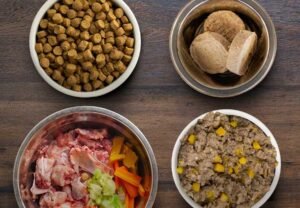
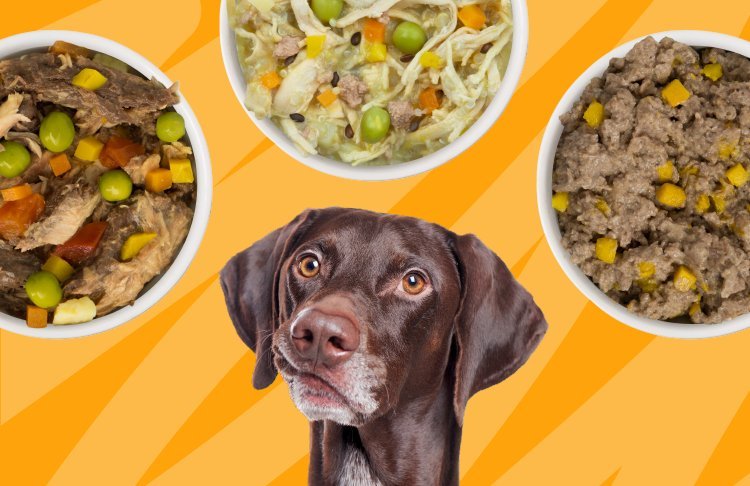
When asking what food do i feed my dog, the best answer is a commercial diet labeled complete and balanced for your pet’s life stage. A healthy adult dog thrives on standard dry kibble or wet food certified by nutritional standards. Puppies, nursing mothers, or sick dogs require specialized formulations instead.
What food do I feed my dog? Our top picks
- Look for an Association of American Feed Control Officials (AAFCO) statement on the back of the bag to ensure it meets basic nutritional needs.
- Choose a recipe made for your dog’s specific age, such as puppy, adult maintenance, or senior formulas.
- Measure meals with an eight-ounce kitchen measuring cup rather than an unmeasured plastic scoop or coffee mug.
- Feed adult dogs twice daily by splitting the daily cup amount printed on the bag’s feeding chart in half.
- Keep clean water accessible next to the feeding bowl at all times, washing the dish daily.
- Limit all treats, snacks, and training rewards to ten percent or less of their total daily calorie allowance.
Why canine nutritional standards matter
Dogs need dozens of individual nutrients every day, including amino acids, fatty acids, vitamins, and minerals. If you feed table scraps or unsupplemented plain cooked meats, your dog misses critical minerals like calcium and zinc, so you should check their nutritional balance regularly. Over time, an improper mineral balance causes fragile bones, heart disease, or organ damage.
Commercial dog foods solve this by following strict nutrient profiles. The FDA animal food guidelines state that pet foods labeled “complete and balanced” must meet official standards set by AAFCO or pass feeding trials. This guarantees that every cup contains the exact balance of fuel your dog’s body needs without dangerous deficiencies.
Wet food provides extra moisture for dogs that refuse to drink water, while dry kibble offers convenience and cost savings. One trade-off with kibble is higher carbohydrate density, which means overfeeding by just a few tablespoons can quickly lead to weight gain.
When the answer is different
A dog’s age, medical history, or body condition changes what should go into the bowl.
| Situation | What changes | What to do instead |
|---|---|---|
| Puppy under 12 months | Needs more calcium, phosphorus, protein | Feed dedicated growth or puppy food |
| Chronic kidney disease | Can’t process standard phosphorus levels | Switch to a renal prescription diet |
| Pancreatitis history | High fats trigger severe inflammation | Use a low-fat digestive formula |
| Severe food allergies | Reacts to common animal proteins | Buy a hydrolyzed protein diet |
| Extreme obesity | Needs fewer calories per volume | Feed a high-fiber metabolic diet |
How to do it properly
- Check the bag label for the exact phrase stating the product meets AAFCO nutrient profiles for adult maintenance.
- Weigh your adult dog on a bathroom scale to get their baseline body weight in pounds before selecting portion sizes.
- Read the feeding chart on the bag to find the recommended total daily cups for your dog’s target body weight.
- Divide that total number into two equal meals, serving one portion in the morning and one portion in the evening.
- If your dog is losing weight, increase the daily portion by ten percent; if your dog gains weight, decrease it by ten percent.
- Check your dog’s ribs weekly by gently pressing their sides: you should feel the ribs easily without pressing through thick fat.
- Keep standard feeding routines consistent, noting that this varies by brand — check the label for exact caloric density.
The mistakes that ruin it
Photo: www.achmorris.com on Google
- Guessing daily portions with a drinking glass or mug, which causes unintended weight gain and joint pain over several months.
- Switching food brands overnight, which causes severe vomiting and loose diarrhea because the gut bacteria can’t adapt in time.
- Feeding raw meat diets without veterinary nutrition training, which exposes your home to dangerous bacteria and leaves your dog lacking basic calcium.
- Allowing family members to feed unlimited fatty table scraps, which costs hundreds of dollars in veterinary emergency visits for sudden pancreatitis.
Frequently asked questions
Can dogs safely eat human food?
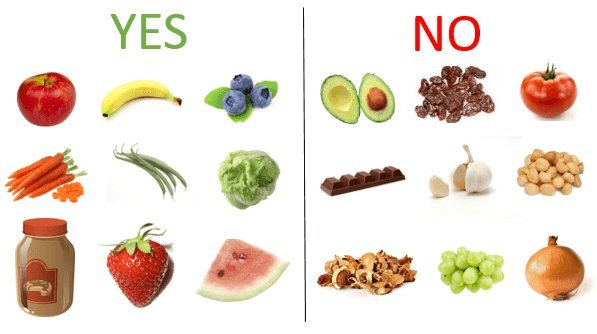
Yes, plain cooked lean chicken, white rice, green beans, and carrots are safe in small amounts. Never feed onions, garlic, grapes, raisins, or macadamia nuts, because these everyday human foods are toxic to dogs even in tiny quantities.
How much dry food should my dog eat daily?
About one to two cups daily for a thirty-pound dog, but this varies by product density. Always read the calories per cup on your specific bag’s chart to set the starting portion, then adjust based on body weight.
Is grain-free food better for my pet?
No, standard grains like rice, oats, and barley provide healthy fiber and energy for normal dogs. True grain allergies are rare; dogs are far more often allergic to animal proteins like beef, chicken, or dairy products instead.
What happens if I switch foods too quickly?
You must transition gradually over seven full days by mixing twenty-five percent new food with seventy-five percent old food, slowly shifting the ratio.
Does wet food cause worse tooth decay than dry kibble?
No, wet food alone doesn’t destroy teeth, nor does standard kibble fully clean them. Kibble shatters instantly at the tooth tips, so regular toothbrushing with dog-safe enzymatic toothpaste is necessary no matter which food texture you feed.
Who this standard commercial diet isn’t for?
This advice isn’t for dogs with diagnosed chronic illnesses like diabetes, kidney failure, or advanced urinary stones. Those conditions require targeted prescription diets built by veterinary nutritionists to control blood chemistry, rather than standard commercial adult bags from retail shelves.