
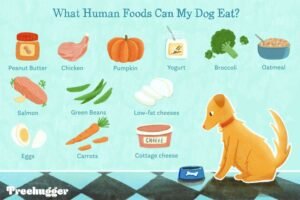
A balanced diet for your pet consists of commercial dog food that meets the nutritional standards set by the AAFCO nutrient profiles for dogs to ensure your dog receives all necessary vitamins, minerals, and proteins for their specific life stage.
Nutritional balance and quality
Photo: www.jneurovirol.com on Google
The most important factor is choosing a product labeled as “complete and balanced” for your dog’s specific age, such as puppy, adult, or senior. A common mistake is buying generic food without checking the AAFCO statement on the back, which can lead to long-term health issues like nutrient deficiencies.
If you have a large-breed puppy, you must choose food specifically formulated for their slower growth rate to prevent bone development issues. If your dog has a sensitive stomach, look for limited-ingredient diets, but always consult your vet before making a major switch.
Feeding your pet properly
- Check the bag for the AAFCO statement to confirm it meets nutritional requirements for your dog’s life stage.
- Measure the daily amount using a standard measuring cup rather than guessing, as overfeeding is a leading cause of obesity.
- Divide the total daily portion into two equal meals to help with digestion and keep your dog satisfied throughout the day.
- Provide fresh, clean water at all times in a washed bowl to keep your pet hydrated.
- Transition to a new food over 7 days by mixing 25% new food with 75% old food, then slowly increasing the ratio. Tip: If your dog develops diarrhea during a switch, slow down the process by keeping the ratio the same for two extra days.
- Store dry kibble in a sealed container in a cool, dry place to prevent fats from going rancid. Tip: Never leave wet food out for more than 2 hours, as bacteria can multiply quickly at room temperature.
How long it takes
The time it takes for a dog to adjust to a new diet varies depending on their age and sensitivity.
| Situation | Adjustment Time | What changes it | What to watch for |
|---|---|---|---|
| Healthy adult | 7 days | Digestive sensitivity | Loose stools |
| Senior dog | 10-14 days | Metabolic rate | Lethargy or weight loss |
| Puppy | 5-7 days | Growth phase | Vomiting or gas |
If your dog shows signs of distress after two weeks, stop the transition and contact your veterinarian immediately.
How to tell when it’s done
You can’t measure “doneness” for dog food like you do for raw meat, but you can monitor your dog’s physical condition. Healthy dogs should maintain a visible waistline when viewed from above and have easily palpable ribs with a light covering of fat. Their coat should appear shiny, and their energy levels should remain consistent after eating. If your dog refuses to eat for more than 24 hours, or if they show signs of persistent vomiting or diarrhea, this isn’t a do-it-yourself issue; take them to a licensed veterinarian for a professional assessment.
Mistakes that ruin it
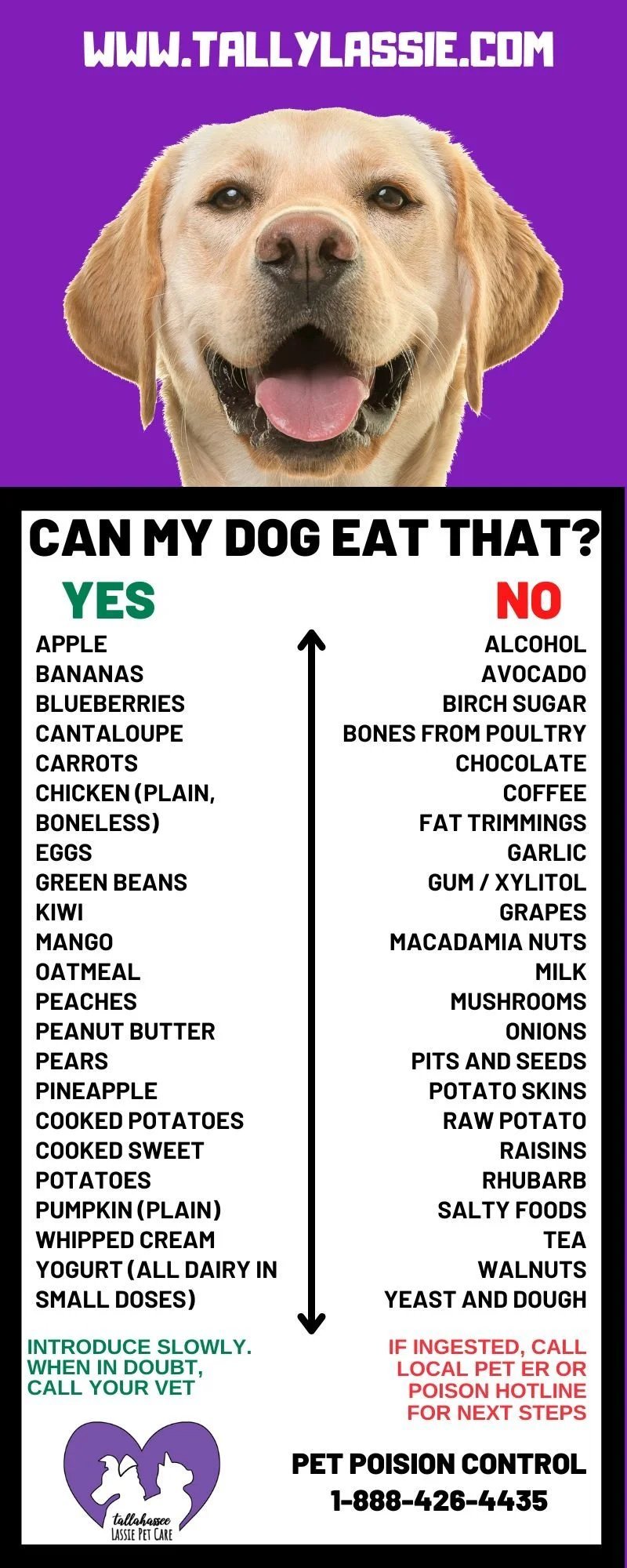
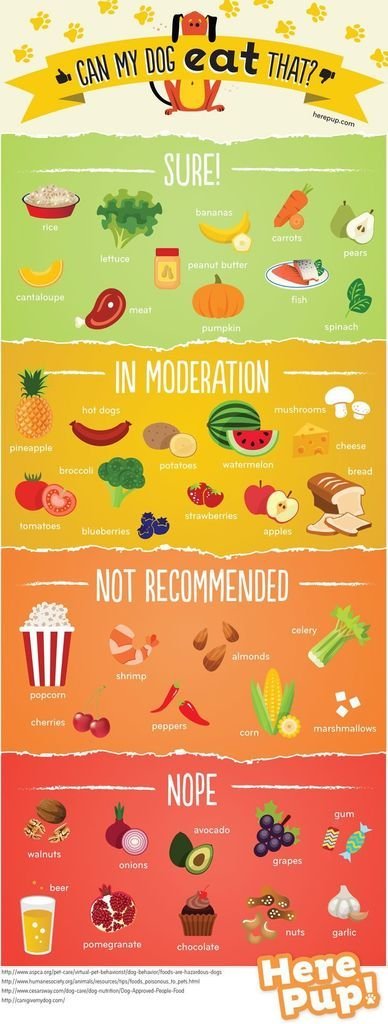
- Feeding human leftovers: Providing table scraps often leads to dangerous weight gain and can cause pancreatitis because human food is too high in salt and fat. Stick to dog-specific treats in moderation.
- Ignoring portion guidelines: Guessing the amount leads to obesity, which puts extra strain on your dog’s joints and heart. Use a measuring cup to follow the manufacturer’s weight-based recommendations.
- Switching diets too fast: Changing food brands instantly causes severe gastrointestinal upset because your dog’s gut microbiome can’t adapt quickly enough. Always use a 7-day transition period.
- Buying expired food: Feeding food past the “best by” date risks the consumption of oxidized fats and reduced nutrient content. Check the date on the bag every time you purchase a new supply.
Frequently asked questions
Can dogs eat raw meat?
Feeding raw meat is risky because it can contain harmful bacteria like Salmonella and Listeria that pose a threat to both the animal and the household. Most veterinarians recommend high-quality commercial cooked food to avoid these specific safety hazards and ensure the dog receives a balanced nutritional profile.
Why is my dog refusing to eat?
Your dog might refuse food due to dental pain, an upset stomach, or stress in the environment. If your dog skips more than two consecutive meals, or if they appear lethargic, you should take them to a veterinarian to rule out underlying medical conditions that require professional treatment.
Is it safe to mix wet and dry food?
Yes, you can mix wet and dry food to improve palatability, provided you account for the total calories from both sources. You must reduce the amount of dry kibble proportionally to prevent overfeeding, as dry kibble is typically more calorie-dense by weight than wet food.
How much should I feed a puppy?
You should feed a puppy based on the specific feeding chart found on the packaging of their puppy-formulated food. Because puppies grow at different rates depending on their breed size, the manufacturer’s guidelines provide the most accurate starting point for their daily caloric needs.
What happens if I overfeed my dog?
Overfeeding leads to obesity, which significantly increases the risk of diabetes, heart disease, and joint pain in dogs. If you notice your dog is gaining weight, reduce their daily portion size by 10% and increase their daily exercise to help them return to a healthy weight.
Final Thoughts
Choosing the right bowl of food is a simple way to show your pet how much you care. If you’re unsure about the best choice for your furry friend, don’t hesitate to ask your vet for a recommendation. They’ll help you pick a brand that’s perfect for your dog’s unique needs.