
If you are wondering what food good for dogs to eat, lean proteins like chicken, turkey, and beef are suitable when prepared without salt, onions, or garlic.
The short version
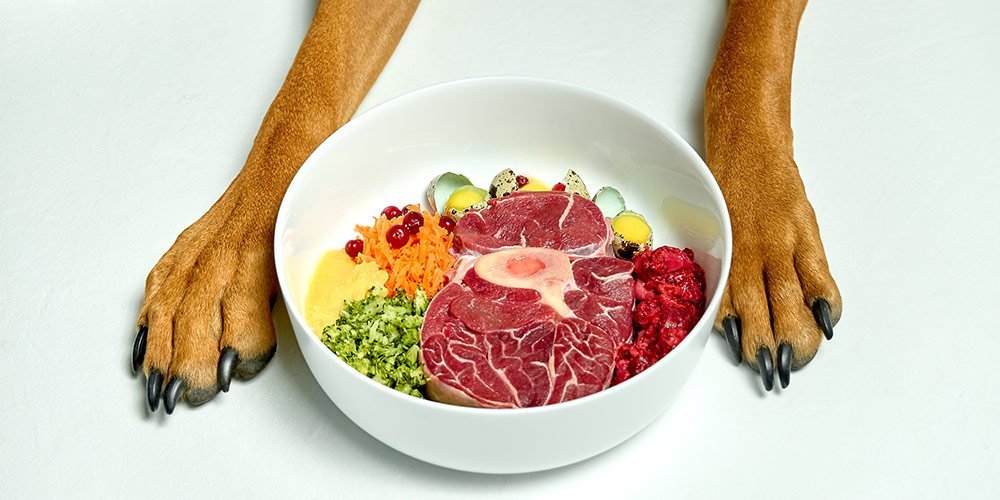
- Serve plain, cooked chicken, turkey, or beef without skin, bones, or added seasonings.
- Offer fresh carrots, green beans, and blueberries as low-calorie, healthy snack alternatives.
- Include cooked pumpkin or sweet potato to help with digestion and fiber intake.
- Avoid feeding your dog grapes, raisins, chocolate, onions, or anything containing xylitol.
- Introduce any new food slowly in small amounts to monitor for stomach upset or reactions.
- Check your dog’s weight and activity level to adjust portion sizes and prevent obesity.
What food good for dogs to eat: Making the right choices
Dogs have different metabolic needs than humans, meaning many common kitchen staples are dangerous for them. While protein is essential for their health, they can’t process the high levels of sodium, fat, or certain botanical compounds found in processed human meals. Onions and garlic, for example, contain thiosulfates that damage red blood cells and lead to anemia. Similarly, the FDA’s list of foods to avoid highlights that xylitol, a sweetener in many sugar-free products, triggers a rapid insulin release in dogs that can be fatal. If you’re ever unsure about a specific item, check the manufacturer’s label or consult your veterinarian before letting them consume it. A dog’s digestive tract is shorter than a human’s, so they struggle to break down complex fillers or heavily seasoned items. By sticking to whole, minimally processed ingredients, you reduce the risk of pancreatitis and other common dietary issues that arise from feeding leftovers.
When the answer is different
| Situation | What changes | What to do instead |
|---|---|---|
| Puppy stage | Higher energy needs | Use vet-approved puppy formula |
| Senior dogs | Slower metabolism | Reduce portion sizes daily |
| Sensitive stomachs | Digestion issues | Feed plain boiled rice |
| Overweight pets | Calorie limits | Use green beans instead |
| Food allergies | Protein reaction | Consult vet for proteins |
How to do it properly
- Select fresh, lean meat like chicken breast or lean ground beef without any added salt, butter, or oil for the base.
- Remove all bones from poultry, as cooked bones splinter easily and can cause serious internal damage to your dog’s mouth or throat.
- Steam vegetables like carrots or green beans until tender, ensuring they’re cut into small, bite-sized pieces to prevent any choking hazards.
- Boil plain white rice or sweet potato without adding butter or seasonings to provide a gentle, easily digestible source of complex carbohydrates.
- Mix the cooked protein and vegetables with their regular kibble, keeping the total amount of “human food” to under ten percent of daily calories.
- Observe your dog for twenty-four hours after introducing a new food to check for signs of diarrhea, vomiting, or excessive skin itching.
- Store any leftover cooked meals in a sealed container in the refrigerator for no more than three days to ensure it remains safe.
The mistakes that ruin it
- Feeding dogs table scraps that contain onions or garlic can cause long-term damage to their blood cells.
- Adding butter or oils to their food increases the risk of pancreatitis, which is a painful and life-threatening condition.
- Giving large portions of new foods often results in severe digestive upset and messy cleanup for the owner.
- Allowing access to items with artificial sweeteners like xylitol can cause a rapid, life-threatening drop in blood sugar levels.
Frequently asked questions
Photo: www.metlifepetinsurance.com on Google
Can dogs eat bananas?
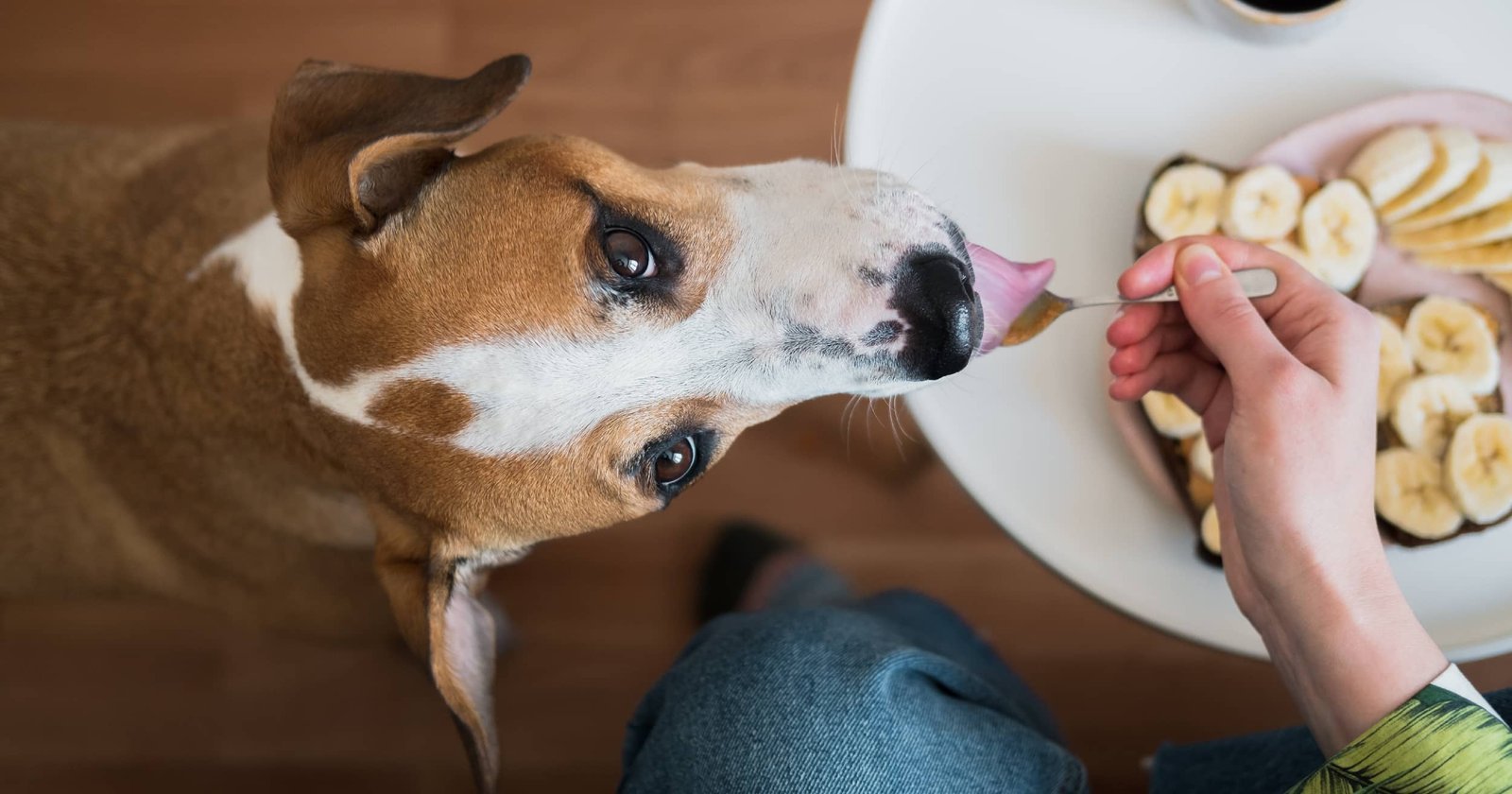
Yes, dogs can eat bananas in small amounts because they’re high in potassium and fiber. Limit this to one or two small slices occasionally, as the high sugar content can lead to weight gain if fed too frequently.
Is it safe to feed dogs raw eggs?
No, feeding raw eggs isn’t recommended because of the risk of Salmonella or E. coli bacteria. Always cook eggs thoroughly until both the yolk and white are firm before offering them to your pet to avoid potential illness.
How much cooked chicken is okay?
About one-quarter cup of plain, cooked chicken is a safe serving size for a medium-sized dog as a treat. Always ensure the chicken is completely boneless and cooked without any seasonings, as onions and garlic are toxic to pets.
Can dogs eat peanut butter?
Yes, but you must check the label to ensure it doesn’t contain xylitol, which is highly toxic to dogs. Only use natural, salt-free, and sugar-free peanut butter in very small quantities to avoid adding too much fat to their diet.
What happens if a dog eats grapes?
Grapes and raisins can cause sudden kidney failure in dogs, even in small amounts. If your dog eats any, contact your veterinarian immediately for advice, as there’s no known safe amount that prevents this severe toxic reaction.
Does it matter if the food is organic?
No, it doesn’t matter if the food is organic, provided the ingredients themselves are safe for dogs. The primary concern is always avoiding toxic items like onions, chocolate, or grapes, regardless of whether the produce is grown organically.
Final Thoughts
Always check with your vet before introducing new items to your pet’s bowl, especially if they have sensitive digestion. You’ll want to start with tiny portions to see how they react. It’s a great way to keep your furry friend happy and healthy while you explore new, wholesome treats together.