
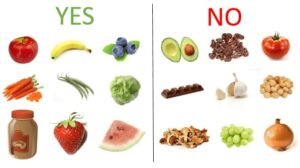
If you are wondering what food i can give to my dog, lean proteins like cooked chicken, plain white rice, and fresh carrots are safe options.
What food I can give to my dog: Basics and errors
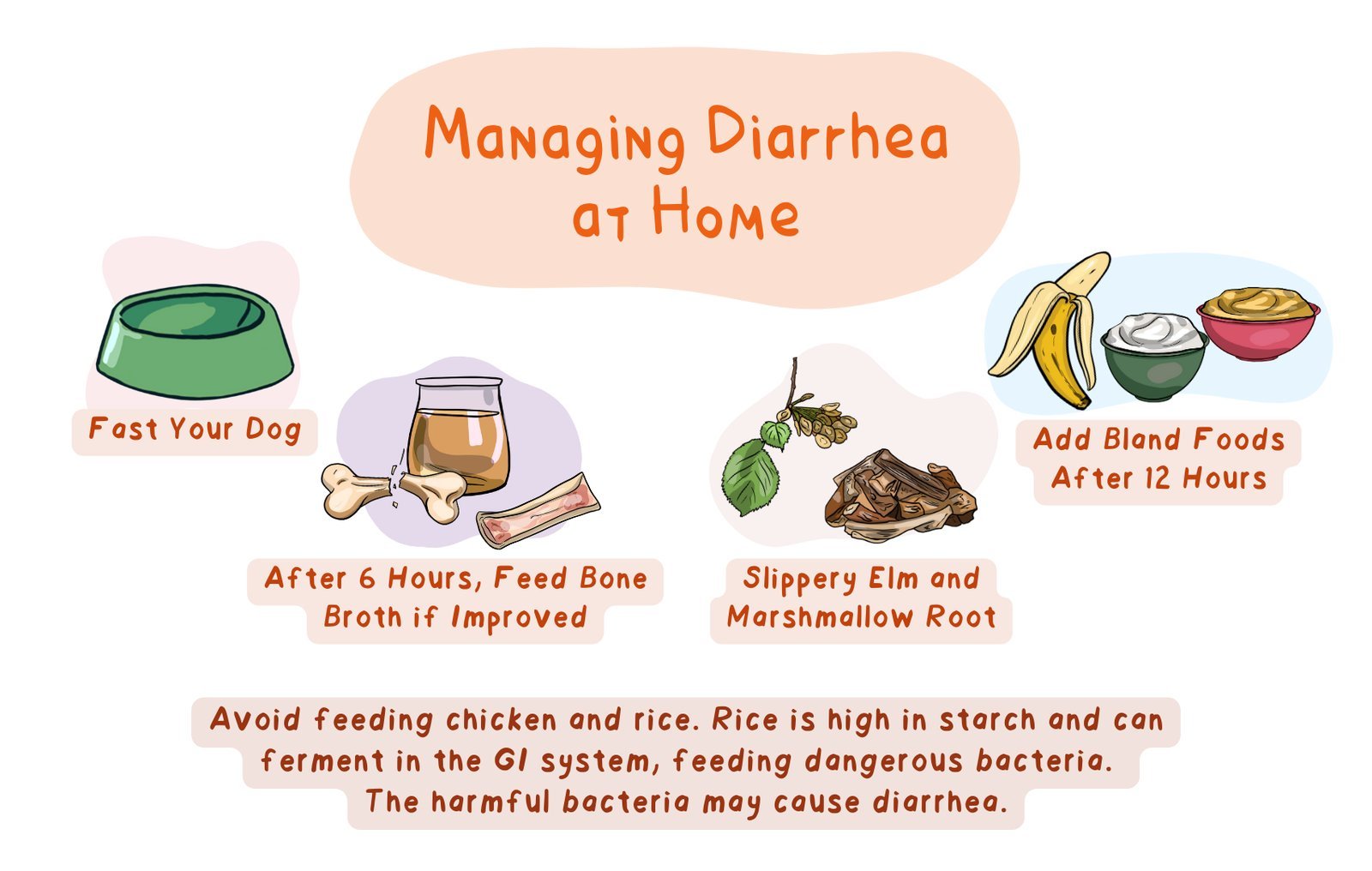
The most important rule is to keep human food as a supplement, not a replacement for balanced dog kibble. If your dog has a sensitive stomach, introduce new foods slowly; if they show signs of diarrhea, stop the new item immediately. The most common mistake people make is feeding dogs cooked bones, which splinter easily and can puncture the intestinal tract. Always remove bones before serving any meat to your dog.
Preparing fresh meals at home
- Remove all skin, fat, and bones from any poultry or meat, as high fat content can trigger pancreatitis in dogs.
- Steam or boil vegetables like green beans or carrots until they’re soft enough to mash with a fork, which makes them easier for your dog to digest.
- Cook plain white rice or oatmeal thoroughly until it’s soft and mushy, ensuring there’s no butter or oil added during the process.
- Mix the prepared meat and vegetables into the dog’s regular kibble to ensure they still receive the vitamins required for their life stage.
- Keep portion sizes small, as human food is often more calorie-dense than dog food, which can lead to rapid weight gain if given in large amounts.
How long it takes
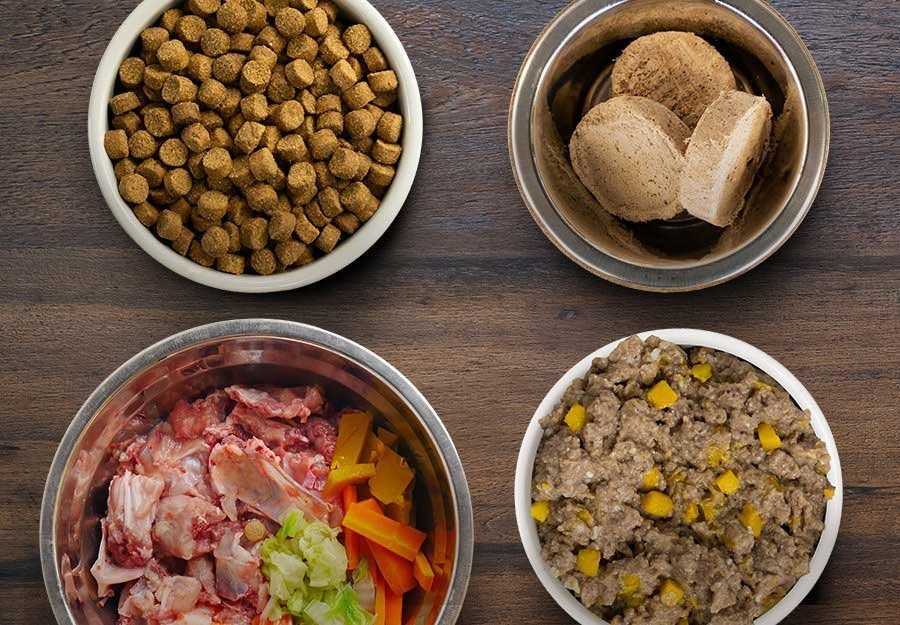
Preparing fresh food for your dog varies based on the cooking method and the density of the ingredients.
| Situation | How long | What changes it | What to watch for |
|---|---|---|---|
| Boiling chicken breast | 15-20 mins | Thickness of meat | Ensure no pink remains |
| Steaming green beans | 8-10 mins | Freshness of veg | Softness of the pod |
| Cooking white rice | 15-18 mins | Amount of water | Water fully absorbed |
| Softening carrots | 12-15 mins | Size of slices | Easily pierced by fork |
If the food is taking longer than these times, your heat source may be too low; always check that the center of meat reaches a safe temperature.
How to tell when it’s done
Meat should be cooked to a safe internal temperature appropriate for the specific protein, which you should verify with a digital food thermometer. For vegetables, the doneness is purely about texture; they should be soft enough to mash between your fingers without resistance. If you’re serving grains, they must be fully hydrated and tender throughout to avoid causing a blockage. Never serve food that’s still hot from the stove, as dogs can burn their mouths easily. Let the mixture cool to room temperature before serving.
Mistakes that ruin it
- Adding seasonings: Garlic, onion powder, and excessive salt are toxic to dogs and can cause anemia or kidney stress. Always keep the food plain and unseasoned.
- Feeding raw dough: Yeast dough expands in the stomach and can lead to dangerous alcohol poisoning or severe bloating. Only serve fully cooked, cooled bread products if you choose to share them.
- Ignoring portion control: Giving too much “extra” food leads to obesity, which puts heavy pressure on a dog’s joints and heart. Limit these treats to ten percent of their daily calorie intake.
Frequently asked questions
Photo: www.mydog.com.au on Google
Can I give my dog grapes?
No, you should never give your dog grapes or raisins under any circumstances. These fruits are linked to sudden kidney failure in dogs, even in very small amounts. If your dog accidentally eats grapes, contact your veterinarian immediately for guidance, as there’s no safe serving size for this fruit.
Is it safe to feed my dog cheese?
Yes, you can give your dog small pieces of plain, low-fat cheese if they aren’t lactose intolerant. Many dogs enjoy cheese as a high-value treat, but it’s high in fat and can cause digestive upset. Start with a tiny cube to see how your dog reacts before giving more.
How long can I keep cooked food in the fridge?
You should keep cooked dog food in the refrigerator for no longer than three to four days. After this time, bacteria can grow even in the cold, which may cause food poisoning. If you cook a large batch, freeze the extra portions in small bags to keep them fresh for longer.
What happens if my dog eats chocolate?
Chocolate contains theobromine, which is toxic to dogs and can cause heart rhythm issues, seizures, or death. The darker the chocolate, the higher the concentration of the toxin. If your dog consumes any amount of chocolate, call your local animal poison control center or your emergency vet clinic right away.
Can dogs eat peanut butter?
Yes, dogs can eat peanut butter, provided it doesn’t contain xylitol, which is an artificial sweetener that’s extremely dangerous for dogs. Always read the label on the jar carefully to ensure peanuts are the only ingredient. Stick to small amounts, as it’s very high in calories.
Final Thoughts
Always check with your veterinarian before you introduce new items to your pet’s bowl. They’ll help you understand what’s best for your dog’s specific health needs and age. It’s a great way to ensure your furry friend stays happy and energetic while they enjoy their healthy, tasty new treats.