
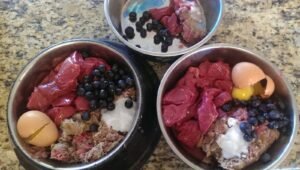
If you are wondering what can i feed dog, high-quality commercial dry or wet food provides balanced nutrition. You may supplement this with plain cooked meats, vegetables, or grains, while avoiding toxic ingredients like onions, garlic, chocolate, grapes, and xylitol.
The golden rule for supplements is the ten percent limit. Keep all “human food” additions to no more than 10% of your dog’s total daily caloric intake. Exceeding this threshold often creates a nutritional imbalance, as commercial kibble is formulated with precise vitamin-to-mineral ratios that extra food disrupts.
If your dog has a sensitive stomach, introduce only one new ingredient at a time. Wait 48 hours to observe for signs of diarrhea or vomiting. If the dog shows no reaction, you can safely rotate that item into their diet. Mistakes here are costly, often leading to expensive veterinary visits for gastroenteritis or pancreatitis. When in doubt, prioritize the kibble.
The short version
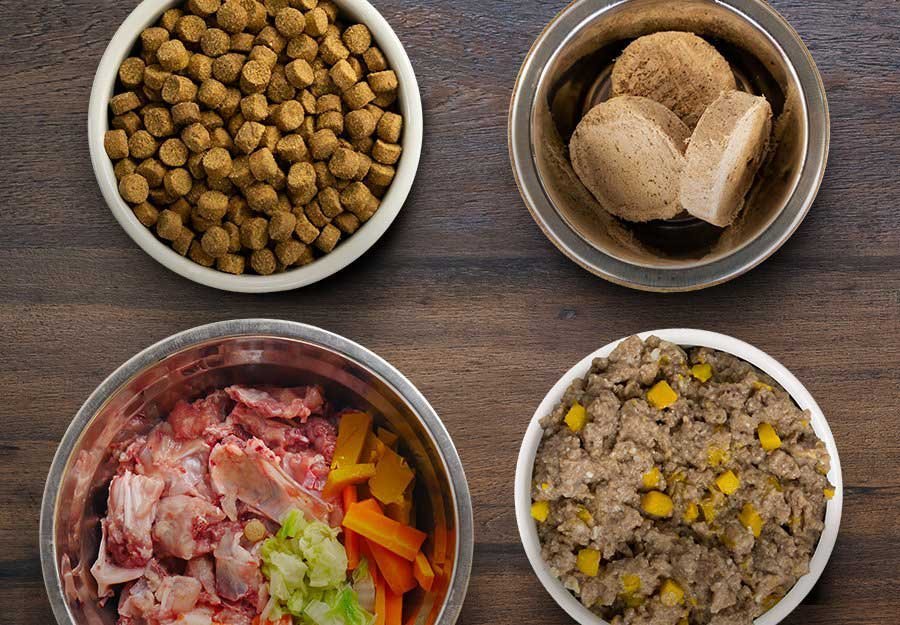
Use commercial food as the base because it meets established nutritional standards for growth and maintenance. High-quality kibble or canned food provides the necessary balance of proteins, fats, and vitamins that homemade diets often miss.
Serve plain, boiled chicken breast without bones, skin, or added seasonings like salt or garlic. These additives can cause severe gastrointestinal distress or long-term health complications.
Offer steamed carrots, green beans, or cucumber slices as healthy, low-calorie treats for your pet. These vegetables provide essential fiber and hydration. However, always slice them into bite-sized pieces to prevent choking, especially for smaller breeds.
Provide cooked white rice or plain pumpkin puree to help soothe an upset stomach when necessary. This bland combination acts as a binding agent for mild diarrhea. If symptoms persist for more than 24 hours, consult your veterinarian immediately.
Avoid all dairy products if your dog shows signs of gas or diarrhea. Many dogs are lactose intolerant.
Check every label for xylitol. This sweetener is lethal to dogs even in tiny amounts.
Why canine nutrition requires specific ingredients
Feeding a dog correctly requires understanding their biological need for a balanced intake of proteins, fats, and essential vitamins. Unlike humans, dogs have specific metabolic requirements that commercial diets are designed to meet through precise formulation. If you choose to feed your dog home-prepared meals, you must ensure they receive the correct ratio of nutrients to avoid long-term health complications. The FDA’s guidance on pet food explains that commercial products are regulated to ensure they provide a complete and balanced diet, which is the safest way to prevent nutritional deficiencies.
You should never assume that human food is safe just because it’s natural. Dogs process certain compounds differently; for example, their bodies can’t filter the toxins found in common pantry items like onions and garlic, which can lead to red blood cell damage. If you’re unsure about a specific food item, check the official database of the American Society for the Prevention of Cruelty to Animals. They provide a comprehensive list of toxic plants and foods that you must keep away from your dog. Check the label of any new food bag to confirm it’s intended for your dog’s specific life stage, such as puppy, adult, or senior, as these have different caloric densities. A common mistake is providing table scraps, which are often too high in fat or sodium, eventually leading to obesity or pancreatitis.
When the answer is different

These guidelines assume a baseline of health. If your dog has a pre-existing metabolic condition like diabetes or kidney failure, these rules fail. In those cases, dietary protein or phosphorus levels must be strictly controlled by a veterinarian.
The most common mistake owners make is assuming a “sensitive stomach” is a permanent condition. Often, it’s a temporary reaction to a specific treat. If the stool doesn’t firm up after 48 hours on a bland diet, stop the home remedy. Persistent diarrhea indicates a potential parasite or blockage that food alone can’t fix.
Use this simple decision rule to distinguish between a minor upset and a medical emergency. If the dog is lethargic or refuses water for more than six hours, bypass the kitchen and go straight to the clinic. If the dog remains active and hydrated, you’re safe to proceed with the dietary adjustments listed above.
What can I feed dog: The proper approach
-
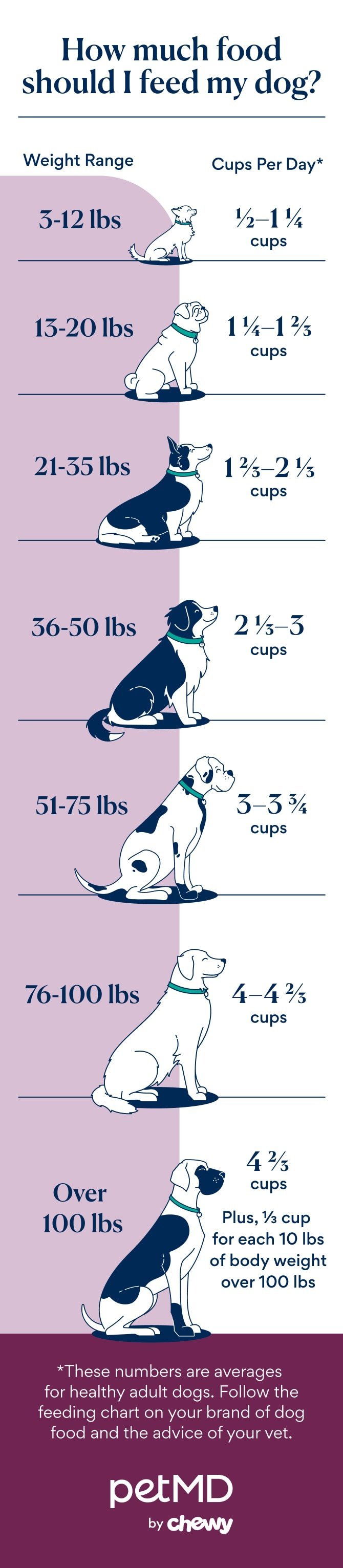
Measure your dog’s daily intake using a standard kitchen cup based on the weight guidelines listed on the food packaging. If your dog is prone to weight gain, use a digital kitchen scale instead; volume measurements are often inaccurate due to kibble density.
-
Divide the total daily amount into two equal meals to help your dog maintain steady energy levels throughout the day. This prevents the blood sugar spikes and subsequent crashes that often lead to begging behavior in the late afternoon.
-
Introduce any new food by mixing it with the old food gradually to prevent digestive upset. Start with a small amount of new food mixed with the old, increasing the proportion over time. If you notice loose stools, hold the current ratio for a while before advancing.
-
Boil boneless, skinless chicken breast in water for fifteen minutes without adding salt, oil, or spices to ensure it’s safe.
-
Steam fresh vegetables like green beans for five minutes until they’re soft enough for your dog to chew easily.
-
Provide fresh, clean water in a stainless steel bowl at all times, washing the bowl daily to prevent bacteria growth. Plastic bowls often harbor microscopic cracks that trap biofilm, which can cause canine acne or bacterial infections.
The mistakes that ruin it
Adding human seasonings like garlic or onion powder to dog meals causes severe anemia in pets. These ingredients contain thiosulfate, which damages red blood cells. Even a small amount of powdered garlic can be more concentrated than fresh cloves, making it a hidden danger in table scraps.
Feeding cooked bones is dangerous because they splinter and can puncture the intestinal tract of the dog. Raw bones are generally safer, but never offer cooked ones, as the heating process makes them brittle. A single splinter can cause a fatal perforation requiring immediate, expensive surgery.
Allowing a dog to eat grapes or raisins leads to sudden kidney failure, even in very small amounts. The toxic threshold varies by weight; a single grape can be lethal for a five-pound Chihuahua. If your dog consumes any, induce vomiting immediately if instructed by a vet.
Giving dairy products like milk or cheese causes significant digestive distress for dogs that are lactose intolerant. Most adult dogs lack the enzyme lactase. If your dog experiences gas or loose stools after dairy, eliminate it entirely to prevent chronic inflammation.
Changing a dog’s diet abruptly results in vomiting and diarrhea, which can lead to dehydration very quickly. Always transition over seven days by mixing 25% new food with 75% old, slowly increasing the ratio. If the dog stops eating or shows lethargy, revert to the previous diet immediately.