
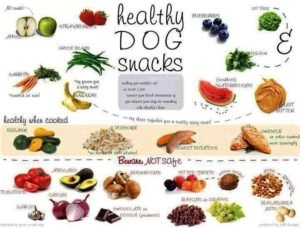
When considering what are the best foods for dogs to eat, plain cooked chicken, lean beef, white rice, carrots, and AAFCO-approved kibble are ideal. A dog’s age and health status change this mix, as puppies need extra calcium while dogs with kidney disease require restricted phosphorus.
What are the best foods for dogs to eat?
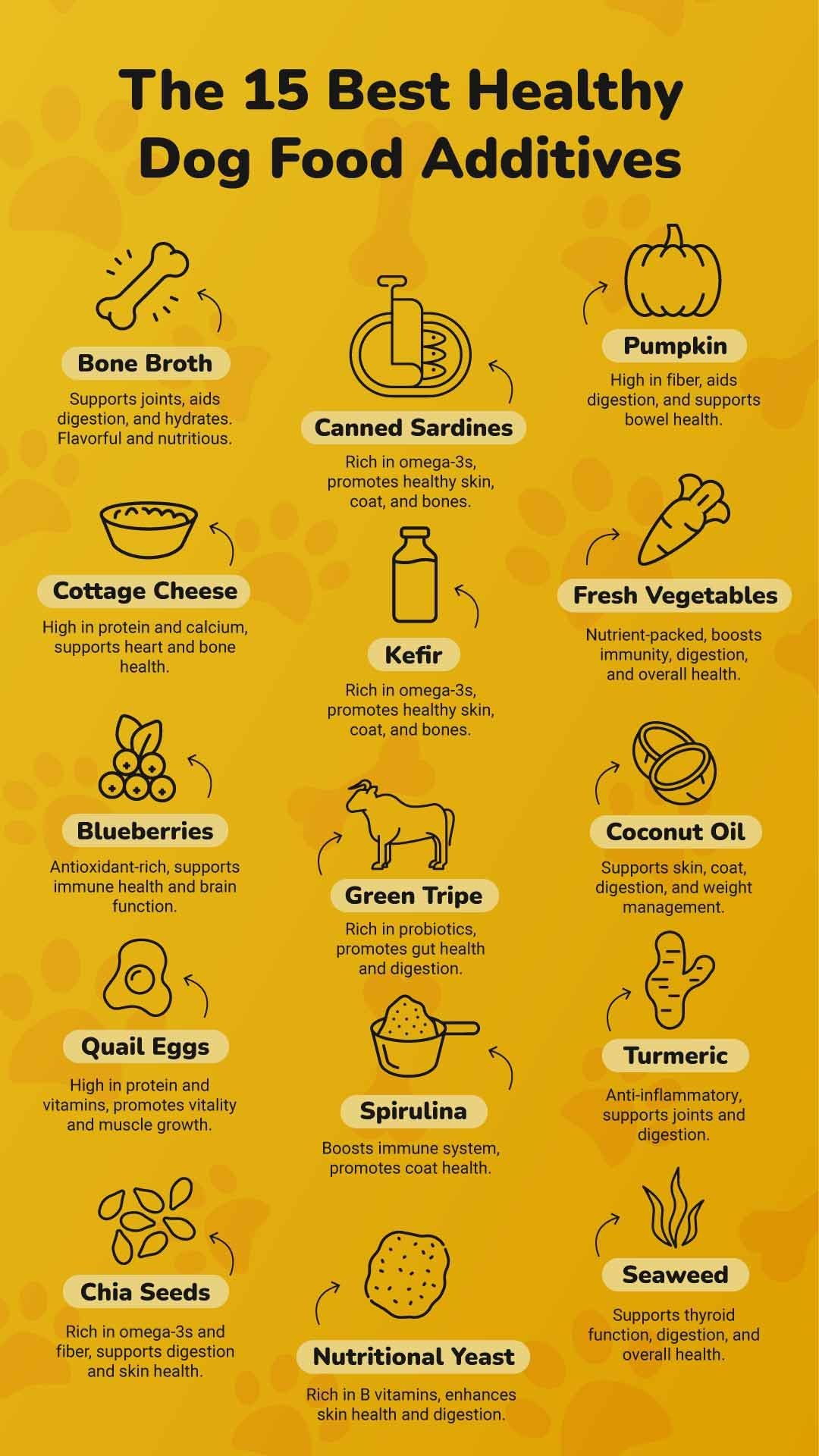
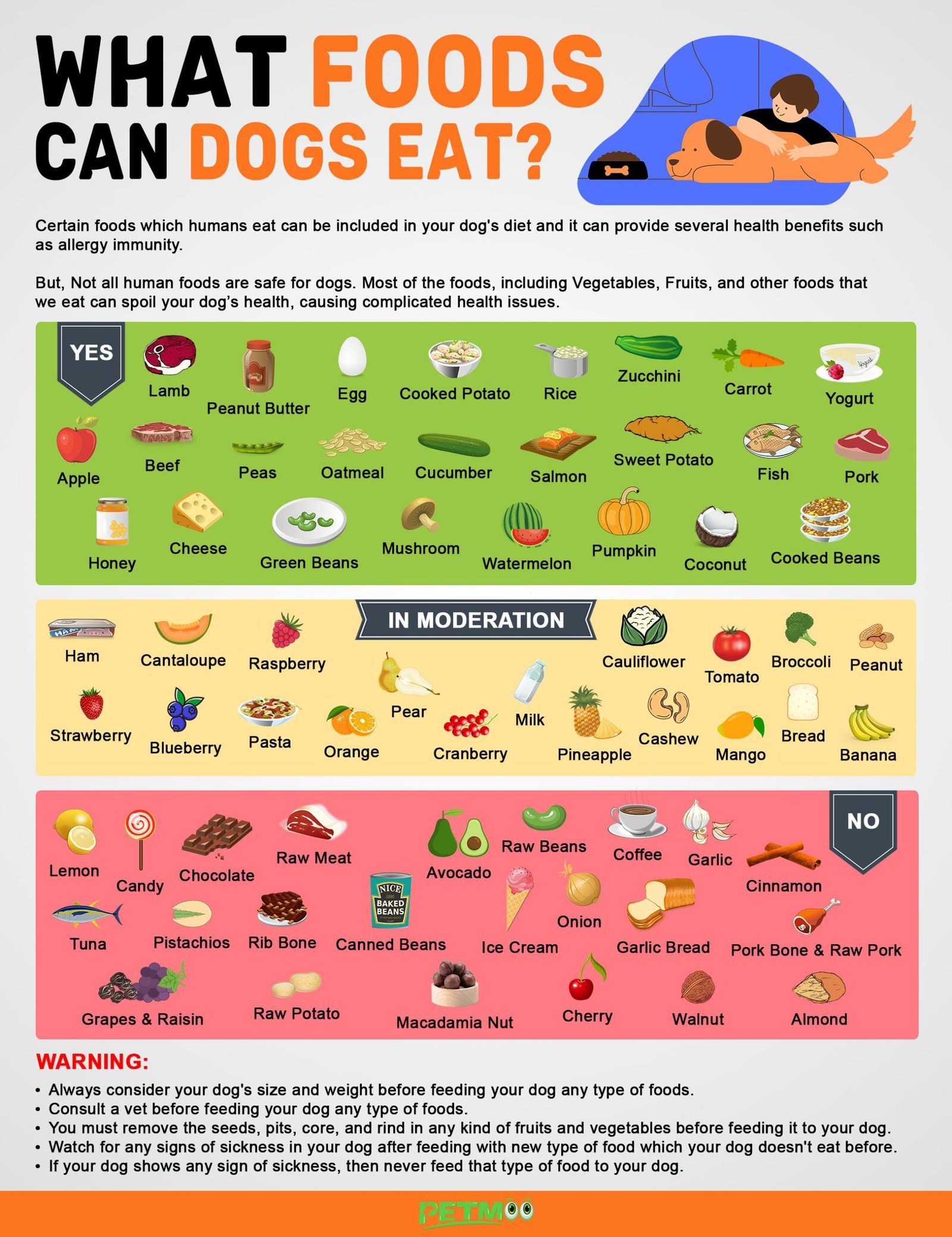
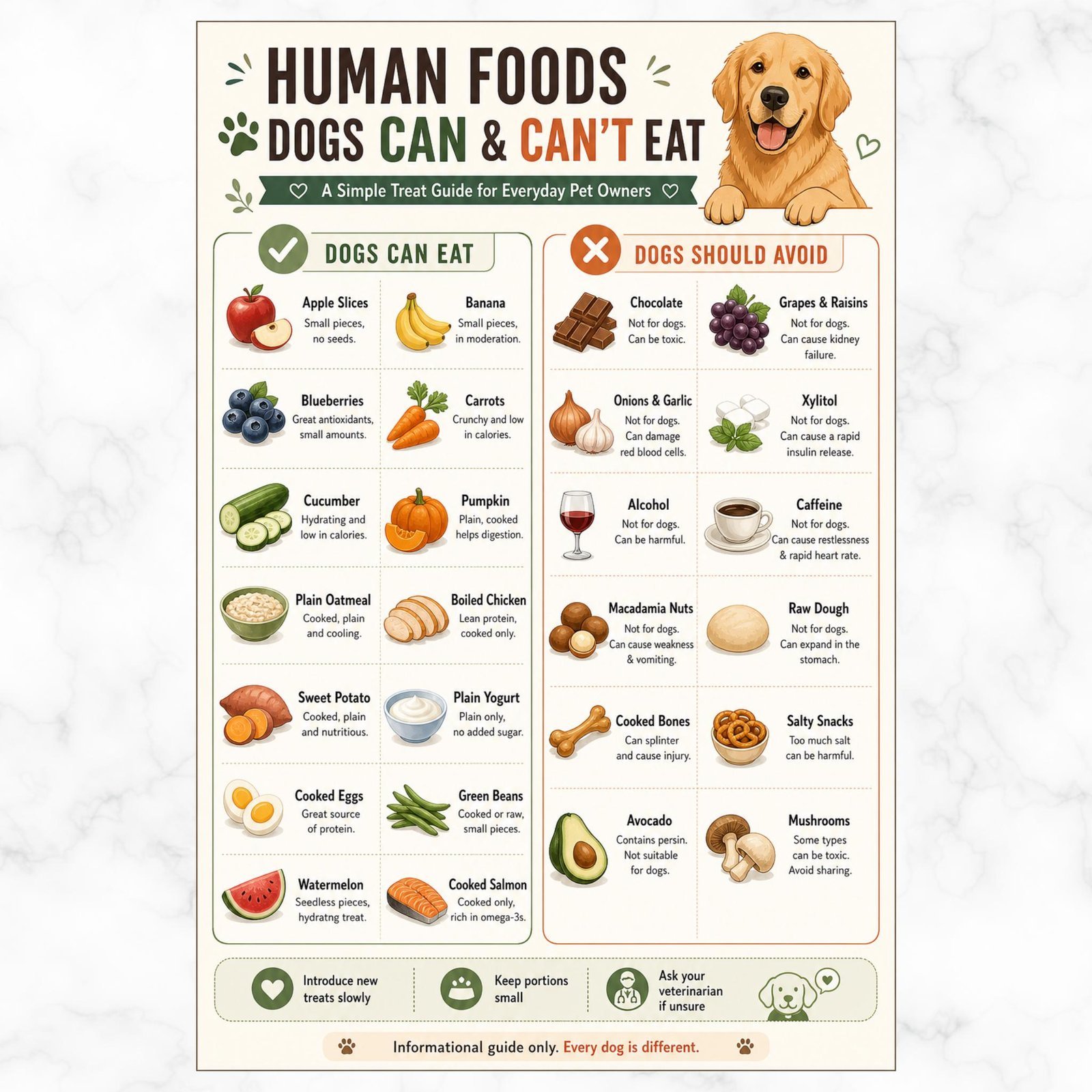
- Cooked lean chicken or turkey provides easily digestible protein, assuming all skin, bones, and added salt are fully removed.
- Plain white or brown rice supplies quick energy, settling an upset stomach when paired with boiled meat at a 2:1 rice-to-meat ratio.
- Raw or steamed carrots offer vitamin A and fiber, giving dogs a low-calorie chew that keeps teeth cleaner.
- Plain canned pumpkin adds soluble fiber for gut health, with a serving size of 1 to 2 tablespoons per 20 pounds of body weight.
- Complete commercial dry kibble meets total daily nutritional baselines if the bag displays an official AAFCO nutritional adequacy statement.
- Cooked eggs provide complete amino acids and fatty acids, limited to one whole egg per day for a medium 30-pound dog.
Why canine digestive systems need specific whole ingredients
Domestic dogs process nutrients differently than humans because their digestive tracts are much shorter. A shorter tract requires proteins and fats that break down quickly before passing through the small intestine. Lean muscle meats deliver essential amino acids like taurine and arginine without overloading the pancreas with heavy fats.
Carbohydrates like rice and oats provide usable glucose, but dogs don’t produce salivary amylase to start carbohydrate breakdown in the mouth. Their pancreas must produce all the necessary amylase instead. This makes heavily processed, high-fat scrap foods dangerous, as they trigger severe pancreatic inflammation.
Whole vegetables supply soluble and insoluble fibers that nourish beneficial gut bacteria. The AAFCO nutritional adequacy statement indicates that a diet is formulated to meet established nutrient profiles. An honest limit is that nutritional needs vary by breed and metabolism—check the food label for exact caloric density. If a dog has firm stools, do nothing; if stools turn loose, reduce fresh additions immediately.
When the answer is different
Medical conditions and life stages change standard dietary recommendations.
| Situation | What changes | What to do instead |
|---|---|---|
| Chronic kidney disease | High phosphorus damages organs | Feed low-protein, low-phosphorus veterinary diets |
| Pancreatitis history | Dietary fat triggers inflammation | Feed ultra-lean meats with under 10% fat |
| Puppy growth stage | High mineral needs for bones | Feed dedicated growth-formula puppy food |
| Severe grain allergies | Grains cause skin itching | Feed potato or sweet potato carbohydrates |
| Late-stage obesity | High calories worsen joints | Feed green beans to add volume safely |
The biggest mistake owners make is assuming “human-grade” ingredients are inherently safer for these specific conditions. A high-protein diet meant for a healthy, active dog will accelerate kidney failure in a dog with existing renal impairment.
Use this decision rule: if your dog is diagnosed with a metabolic or organ-based condition, ignore all marketing labels like “natural” or “grain-free.” Instead, look for the AAFCO nutrient profile statement on the back. If the label doesn’t explicitly state it’s formulated for your dog’s specific life stage or condition, don’t buy it.
If your dog is currently stable, don’t switch brands abruptly. A sudden change often masks the early warning signs of a reaction. Instead, mix the new diet into the old one over seven days. If the dog develops loose stool or lethargy during this transition, stop immediately and return to the previous diet.
How to do it properly
- Check your dog’s weight on a home or clinic scale to establish their baseline daily caloric requirement.
- Select an unseasoned protein source like boneless chicken breast, measuring out roughly 2 ounces per 10 pounds of body weight.
- Cook all meats to a safe internal temperature of 165°F to kill Salmonella and Campylobacter bacteria before serving.
- Boil 1/4 cup of white rice in plain water for 15 minutes until soft, avoiding any butter, oils, or salt.
- Steam 2 tablespoons of diced carrots or green beans for 5 minutes until tender enough to pierce with a fork.
- Mix the cooked ingredients together thoroughly, keeping fresh home-cooked additions under 10 percent of the dog’s total daily calories.
- Ensure the food is at a safe, lukewarm temperature before serving.
- Store any unused cooked portions inside an airtight container in the refrigerator, discarding whatever remains uneaten after 3 days.
The mistakes that ruin it
Adding garlic or onions to the meat causes oxidative damage to red blood cells, which can trigger life-threatening hemolytic anemia. Even small amounts of garlic or onions can be toxic to dogs.
Feeding cooked animal bones to dogs leads to brittle splinters that pierce the stomach wall and cost thousands in emergency surgery. Feeding bones to dogs carries risks of dental fractures and gastrointestinal obstruction.
Swapping all commercial kibble for pure home-cooked meat strips out dietary calcium, which causes severe metabolic bone disease within months. You must balance the phosphorus ratio with a high-quality calcium supplement.
Introducing new ingredients overnight upsets normal intestinal flora, producing painful gas cramps and severe watery diarrhea for several days. Always transition gradually, replacing a portion of the old food with the new until the switch is complete.