
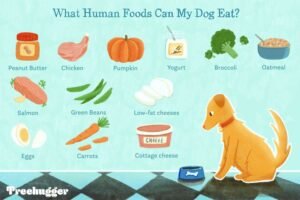
If you are wondering what are good foods for dogs to eat, consider lean meats like chicken, turkey, and beef, or cooked vegetables like carrots and green beans, served plain and unseasoned.
Nutritional balance and common errors
The primary factor in canine nutrition is ensuring a complete and balanced diet that meets specific life-stage requirements. Whether you choose commercial kibble or home-prepared meals, the food must provide the correct ratio of macronutrients. A common mistake involves feeding dogs table scraps, which often contain high levels of fat, salt, or hidden toxins. This practice leads to digestive distress or long-term health issues like pancreatitis. Always verify that your chosen food source meets the standards set by the Association of American Feed Control Officials.
What are good foods for dogs to eat
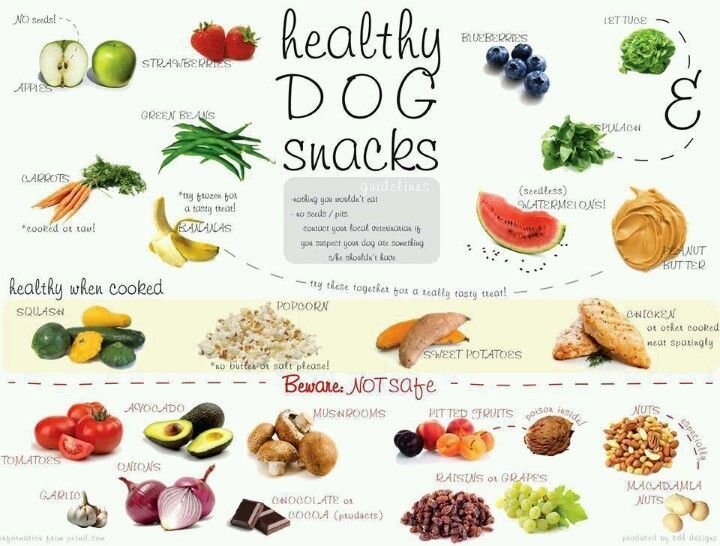
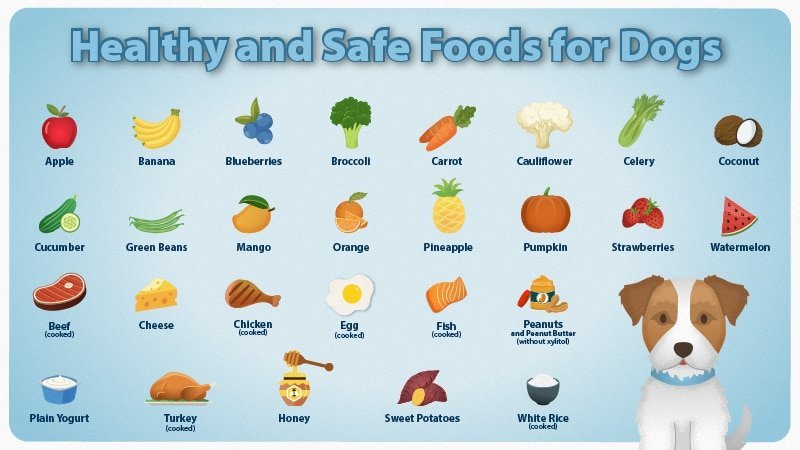
Select lean protein sources such as chicken breast, turkey, or lean ground beef, ensuring all skin and bones are removed. Avoid fatty cuts, as excess fat can trigger pancreatitis in sensitive dogs.
Cook the meat thoroughly until it reaches an internal temperature of 165°F, using a digital probe thermometer to confirm safety. Relying on visual cues like color is a common mistake that often leaves harmful bacteria behind.
Steam or boil vegetables like carrots, green beans, or sweet potatoes until they’re soft enough to mash easily with a fork. If a vegetable remains firm, your dog’s digestive tract may struggle to break down the fibrous cell walls, leading to gastrointestinal distress.
Mix the prepared protein and vegetables with a carbohydrate source like cooked brown rice or oatmeal, keeping the ratio to approximately 70% protein and 30% produce and grains. If your dog is highly active, you may increase the grain portion slightly, but don’t exceed 40% without professional guidance.
Cool the mixture to room temperature before serving to prevent oral burns.
Tip: If you’re unsure about specific nutrient ratios for your dog’s breed or weight, consult a veterinary nutritionist before changing their diet.
Time requirements for preparation
The time needed to prepare fresh meals depends on your cooking method and the density of the ingredients.
| Cooking Method | Prep/Cook Time | Factors Affecting Time | What to Watch For |
|---|---|---|---|
| Boiling meat | 20–30 mins | Size of meat chunks | Internal temp of 165°F |
| Steaming veggies | 10–15 mins | Vegetable hardness | Fork-tender texture |
| Cooking grains | 20–45 mins | Type of grain used | Full water absorption |
Most beginners mistake a low flame for “gentle cooking,” but this often doubles your prep time without improving flavor.
Use this decision rule: if you’re working with fibrous root vegetables, add ten minutes to your steaming estimate. If you’re preparing leafy greens, subtract five.
Always measure your grain-to-water ratio by volume rather than eye. A common error is using too much water, which forces a longer simmer to evaporate the excess liquid, resulting in mushy textures. If the cooking process takes significantly longer than these estimates, check that your heat source is consistent and that you aren’t overcrowding the pan.
Signs of quality and doneness
A well-prepared meal for a dog should appear clean and simple, with no signs of charring or heavy seasoning. Meat is done when it’s grey or brown throughout with no pink centers, and the internal temperature has reached 165°F.
Use a digital meat thermometer to confirm this internal heat. Relying on visual cues alone often leads to undercooking, which risks bacterial contamination.
Vegetables are ready when they lose their raw crunch and become soft enough to mash with a fork. If you notice a strong, pungent smell or an oily residue on the surface, the meal may contain too much fat.
Excess fat often causes acute pancreatitis in dogs. If your dog experiences vomiting or lethargy after a meal, switch to leaner protein sources like white fish or chicken breast. Always prioritize consistency over complexity to keep their digestion stable.
Mistakes that ruin it
-
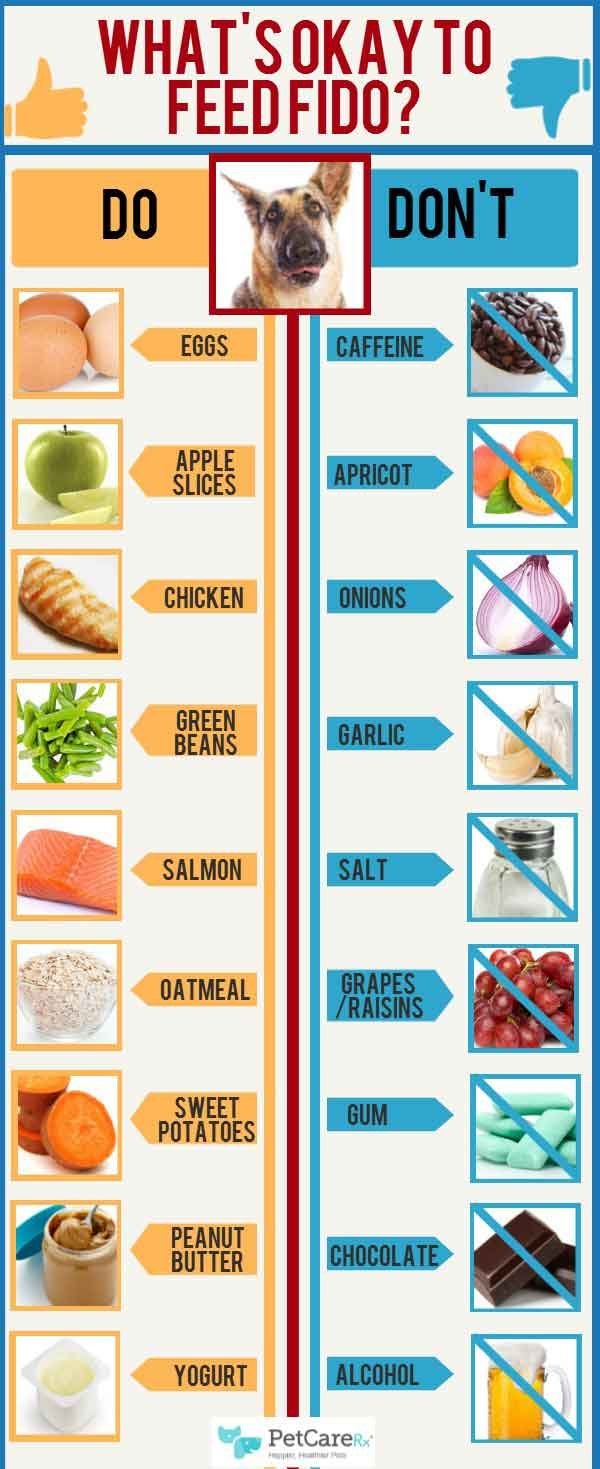
Adding onions or garlic: These ingredients contain N-propyl disulfide, which triggers Heinz body anemia by damaging red blood cell membranes. Even powdered forms in pre-packaged broths are toxic. If your dog consumes any allium, monitor for lethargy or pale gums, which are early indicators of systemic distress.
-
Leaving bones in the food: Heat makes bone marrow brittle. A splintered fragment acts like a serrated blade, frequently causing perforations in the esophagus or intestinal lining. Always run your fingers through deboned meat to ensure no small shards or cartilage remain before serving.
-
Using excessive salt or spices: Dogs possess a much lower tolerance for sodium than humans. Excessive salt intake can lead to salt toxicity, characterized by tremors, seizures, or extreme thirst. If you accidentally season a meal, don’t attempt to dilute it; discard the portion entirely to avoid the risk of electrolyte imbalance.
-
Feeding raw dough or batter: Yeast-based dough is a medical emergency. It expands rapidly in the warm, moist environment of the stomach, potentially causing a life-threatening gastric blockage. Furthermore, the fermentation process produces ethanol, which can lead to rapid alcohol poisoning. Only serve fully cooked, cooled starches.
Related guides