

Lean proteins, cooked vegetables, and specific whole grains help maintain your dog’s healthy energy levels and muscle mass. You should prioritize fresh, balanced ingredients that avoid toxic additives, ensuring each meal provides the necessary nutrients for your pet’s specific age, weight, and activity level.
Best things to feed your dog
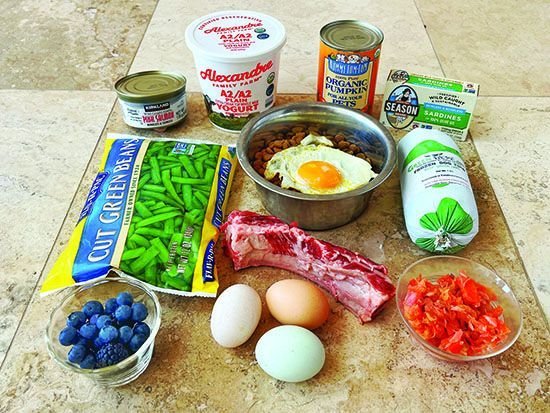
Feeding your dog whole foods works because it provides bioavailable nutrients that are easy for their digestive system to process. High-quality protein sources like chicken or turkey serve as the foundation for muscle repair, while fiber from cooked vegetables supports regular digestion.
The most common mistake owners make is adding “human” table scraps that contain onions, garlic, or excessive salt. These ingredients can cause severe health issues, so you must always check FDA information on toxic foods before sharing anything from your plate.
If your dog shows signs of lethargy or loose stools after a week, revert to their previous diet immediately. This reaction indicates a sensitivity to a specific ingredient, meaning you should consult a veterinarian before proceeding further.
Preparing healthy canine meals
- Select a lean protein source like boneless chicken breast or ground turkey, ensuring you cook it thoroughly to an internal temperature of 165°F to kill harmful bacteria.
- Steam vegetables such as green beans, carrots, or broccoli until they’re soft, using about one-half cup of veggies for every two cups of meat.
- Incorporate a small amount of plain, cooked brown rice or sweet potato to provide complex carbohydrates if your dog requires extra energy for daily exercise.
- Cool the mixture to room temperature before serving; if your dog has a sensitive stomach, introduce these new foods slowly over five days to monitor for any digestive upset.
Tip: Avoid adding any oils, fats, or seasonings during the cooking process, as these can trigger pancreatitis in some breeds.
Tip: If you’re preparing large batches, portion the food into airtight containers and refrigerate for up to three days, or freeze for longer storage.
How long it takes
Photo: www.pdsa.org.uk on Google
The time required to prepare meals varies based on the volume of food and the cooking method you choose.
How to tell when it’s done
You’ll know the meal is ready when the protein has lost all pink color and reaches the required safe internal temperature. For most poultry or beef, this means hitting an internal reading of 165°F. Use a digital probe thermometer to verify this, as visual checks often fail to account for the center of thicker cuts.
The vegetables should be fork-tender, meaning they crush easily with light pressure, which helps your dog digest the fiber. If the food is still steaming hot, it isn’t yet safe to serve. Always stir the mixture thoroughly and test the center of the bowl to ensure there are no hidden hot pockets that could burn your dog’s mouth.
A common mistake is serving food immediately after cooking. Waiting five minutes allows the temperature to stabilize, preventing accidental oral burns. If you’re unsure if your dog is receiving a balanced diet, consult your veterinarian to review your specific recipe against established nutritional standards.
Mistakes that ruin it
- Adding seasoning or spices: Ingredients like onion powder, garlic, or excessive salt are toxic to dogs and can cause immediate gastrointestinal distress. Always cook plain and avoid adding any human-grade flavor enhancers to the bowl.
- Including raw bones: Small or brittle bones can splinter and cause life-threatening internal punctures or blockages. Use only boneless meat sources to ensure your pet stays safe during mealtime.
- Ignoring portion control: Feeding too much leads to obesity, while feeding too little deprives your dog of essential vitamins and minerals. Use a measuring cup every time you serve a meal rather than guessing the amount.
- Serving food that’s too cold: Extremely cold food straight from the refrigerator can cause stomach cramping in some sensitive dogs. Allow the food to sit on the counter for ten minutes before serving if it was recently chilled.
Related guides