
When considering what are the best fresh foods for dogs, lean proteins like chicken and turkey, plus safe vegetables like carrots and green beans, are ideal when served plain and cooked. These should not exceed ten percent of a dog’s daily calories.
What are the best fresh foods for dogs?
Serve plain, boiled chicken breast without skin or bones to provide lean protein. Limit this to ten percent of your dog’s daily caloric intake to prevent nutritional imbalances.
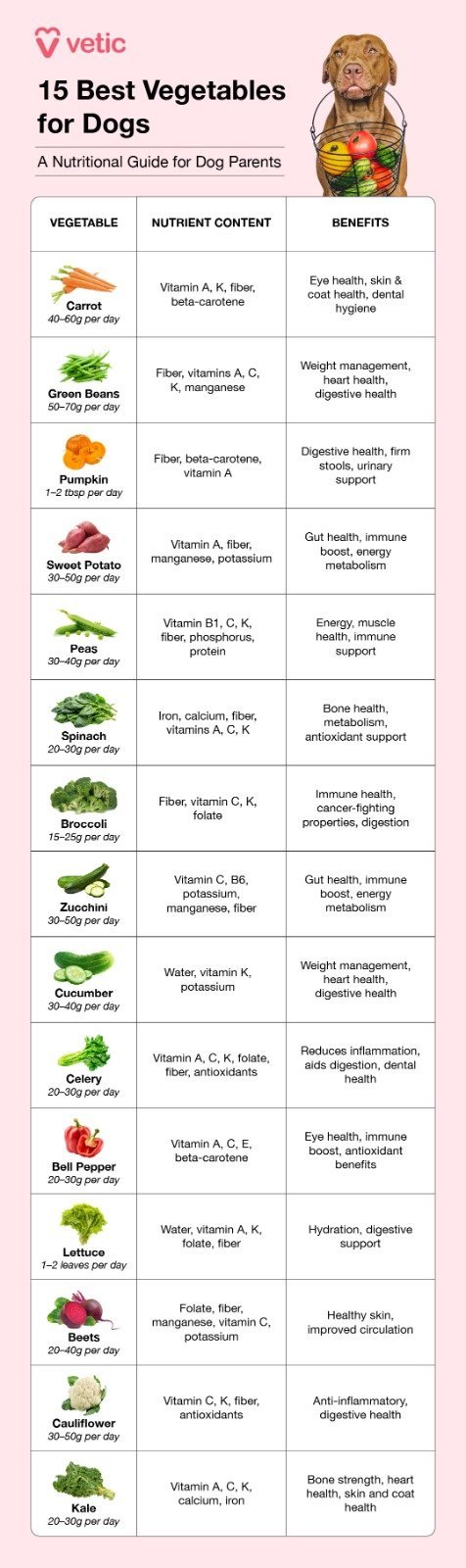
Offer steamed green beans as a low-calorie treat that adds fiber to the diet. These are ideal for dogs struggling with weight management, as they provide satiety without excess fat.
Provide small portions of cooked pumpkin to help support healthy digestion in dogs. If your pet experiences loose stools, one tablespoon per twenty pounds of body weight often firms digestion.
Give raw or cooked carrots as a crunchy snack, but cut them into small pieces to prevent choking.
Use blueberries as a nutrient-rich reward that contains antioxidants for your pet. Limit this to five berries per serving.
Avoid all onions, garlic, grapes, and chocolate, as these are toxic to dogs. Ingesting even small amounts of these can cause irreversible organ damage.
Why fresh food requires careful balance
Providing fresh food helps diversify a dog’s diet, but it should only supplement a balanced commercial base. Most commercial dog foods are formulated to meet specific nutritional requirements defined by the Association of American Feed Control Officials standards. If you add too much human food, you risk creating a nutritional imbalance or providing excessive calories. This leads to weight gain and potential health issues over time.
Fresh ingredients should always be prepared without salt, oils, seasonings, or onions. These additives can cause digestive upset or, in the case of onions and garlic, damage a dog’s red blood cells. Always introduce new foods one at a time in very small amounts to see if your dog experiences any allergic reactions or stomach discomfort. If you notice vomiting or diarrhea, stop adding that specific food immediately. Always consult your veterinarian before making significant changes to your pet’s eating habits.
When the answer is different
| Situation | What changes | What to do instead |
|---|---|---|
| Sensitive stomach | Fiber tolerance | Use only boiled white rice |
| Overweight dog | Calorie density | Stick to green beans only |
| Senior dogs | Chewing ability | Puree all vegetables first |
| Puppies | Growth needs | Consult vet for specific plan |
| Allergy history | Protein source | Use novel proteins like rabbit |
The most common mistake owners make is assuming a “healthy” ingredient is universally safe. If your dog suffers from chronic gas, skip the fibrous green beans entirely. High-fiber diets can cause painful bloating in dogs with sensitive digestive tracts.
If your dog is a senior, watch for dropped food. If they struggle to chew, they may swallow large chunks that cause intestinal blockages. Pureeing vegetables ensures they absorb the nutrients rather than passing them whole.
Use this decision rule: if your dog is a puppy, never introduce a new protein without a vet’s approval. Puppies require precise calcium-to-phosphorus ratios. Guessing the balance can lead to permanent skeletal deformities. If you notice persistent itching or ear redness, switch to a single novel protein source immediately to isolate the allergen.
How to do it properly
- Start by selecting lean, fresh proteins like chicken breast and remove all skin, fat, and cartilage before you begin the cooking process.
- Boil the chicken in plain water until the internal temperature reaches 165°F to ensure it’s fully cooked and safe for consumption.
- Prepare vegetables like carrots or green beans by steaming them until they’re tender enough to be easily mashed with a fork.
- Limit the portion size of these fresh additions to a maximum of ten percent of the dog’s daily caloric needs for that day.
- Mix the prepared food into the dog’s regular meal or serve it as a standalone treat to ensure they eat the standard food.
- Cool all cooked items to room temperature before serving to prevent burns to the mouth or throat during the feeding process.
- Monitor your dog for twenty-four hours after the first serving to ensure they don’t show signs of an upset stomach or gas.
The mistakes that ruin it
Adding onions or garlic to the food causes serious damage to a dog’s red blood cells. Even small amounts of these aromatics can trigger hemolytic anemia. If your dog consumes them, watch for pale gums or extreme lethargy within three days.
Feeding cooked bones is a common error that leads to splintering. These shards can puncture the digestive tract or cause fatal choking.
Using butter or oil during preparation drastically increases calorie counts. This excess fat often triggers acute pancreatitis, a painful inflammation requiring immediate veterinary intervention. If your dog exhibits persistent vomiting after a meal, seek help.
Offering grapes or raisins can cause sudden kidney failure. Because sensitivity varies wildly by breed, there’s no “safe” amount. If your dog eats even one, induce vomiting immediately if instructed by a professional.