
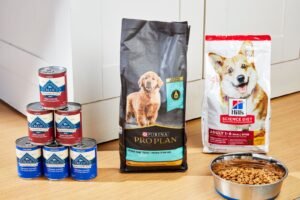
What are some good dog foods? High-quality, balanced diets from reputable manufacturers provide complete nutrition for your pet. These products meet the nutritional standards set by the Association of American Feed Control Officials (AAFCO) to ensure they contain essential vitamins, minerals, and proteins.
What are some good dog foods to choose?
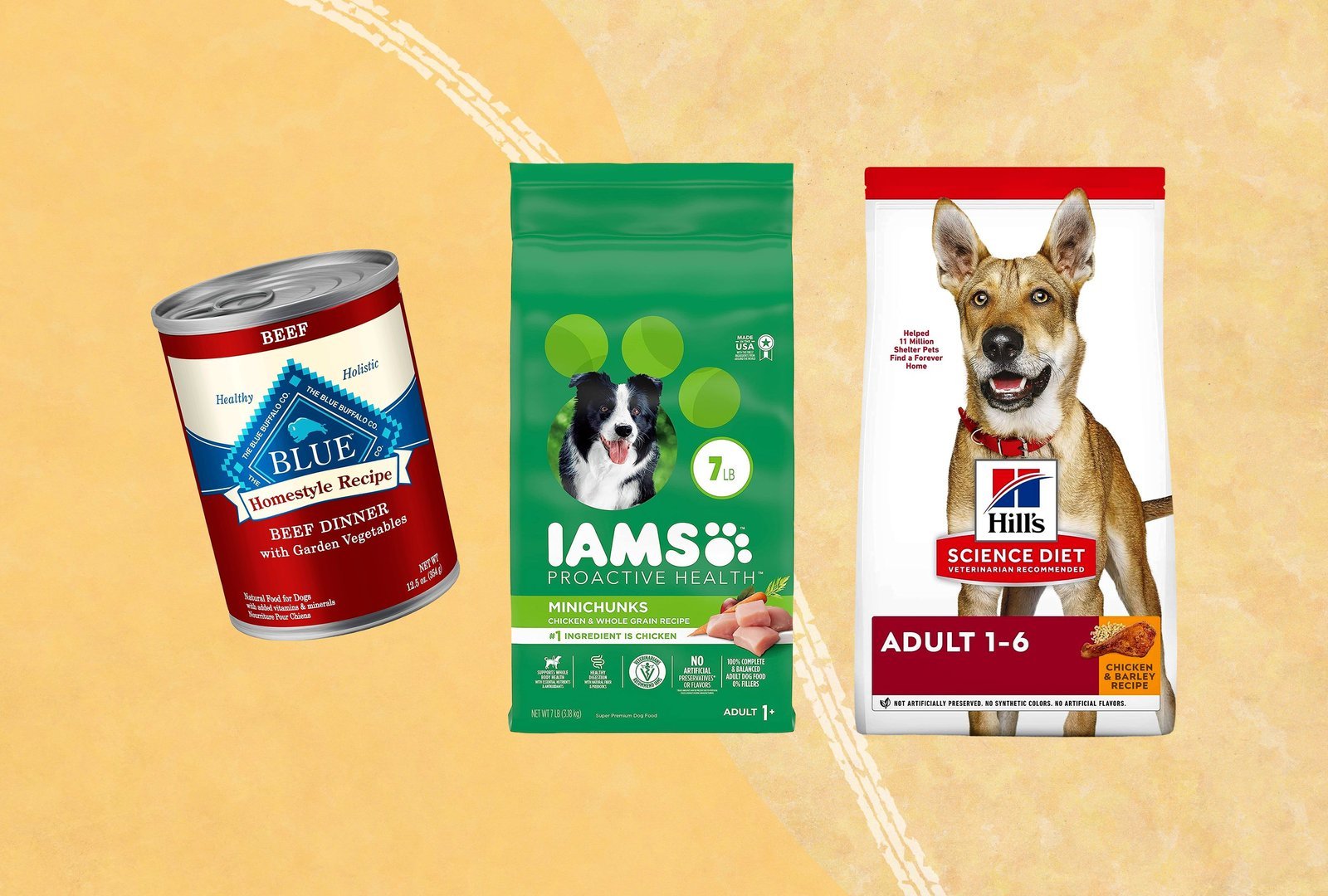
Choose recipes that list a specific animal protein, like chicken or beef, as the first ingredient. Avoid vague labels like “meat meal” or “poultry byproduct,” which lack nutritional consistency.
Check the back of the bag for an AAFCO statement confirming the food is “complete and balanced.” This ensures the product meets minimum nutrient requirements for your dog’s specific life stage.
Feed your dog based on their weight and activity level; check the feeding guide on the package for daily amounts. Use a kitchen scale rather than a measuring cup to ensure accuracy, as cup sizes vary significantly.
Switch foods slowly over 7 to 10 days by mixing the new food with the old one to avoid stomach upset. If your dog has a sensitive gut, extend this transition to 14 days.
Store dry kibble in a cool, dry place inside its original bag to maintain freshness and prevent fat oxidation. Exposure to air causes oils to turn rancid, which ruins the flavor.
Monitor your dog’s body condition; if they’re gaining too much weight, reduce the portion size by 10% and recheck in two weeks.
Why ingredient quality matters
Nutritional needs for dogs are based on life stage, breed size, and activity levels, which is why generic “all-purpose” kibble isn’t always the best choice. High-quality dog foods prioritize animal-based proteins because they contain the full profile of amino acids that dogs can’t synthesize on their own. Manufacturers like Purina, Royal Canin, and Hill’s Pet Nutrition invest heavily in feeding trials to ensure their formulas support long-term health, rather than just meeting minimum laboratory requirements.
The AAFCO dog and cat food nutrient profiles define the specific levels of nutrients required to prevent deficiencies. If you choose a brand that doesn’t follow these profiles, you risk feeding your dog a diet that lacks key minerals like calcium or essential fatty acids. Always read the label for a statement of nutritional adequacy, which confirms the product has been tested or formulated to meet these rigorous scientific standards for a specific life stage.
When the answer is different
Photo: www.businessinsider.com on Google
| Situation | What changes | What to do instead |
|---|---|---|
| Puppy | Growth needs | Use designated puppy formula |
| Senior | Calorie needs | Lower calorie senior diet |
| Allergy | Protein source | Use limited ingredient diet |
| High activity | Energy density | Use high-performance working food |
| Weight loss | Portion size | Use weight management formula |
Most owners fail by treating these categories as suggestions rather than metabolic requirements.
If your dog is itchy, don’t simply switch brands. Look for a single-source protein they have never eaten before, like duck or venison. If the scratching stops within three weeks, you have identified the allergen.
Reducing the portion size of a standard diet can lead to nutrient deficiencies if the reduction is too severe; consult your veterinarian to determine a safe caloric intake. Switch to a high-fiber, low-calorie formula that maintains volume so they feel full. If your dog is still hungry after two weeks, consult a vet to rule out thyroid issues before cutting further.
How to do it properly
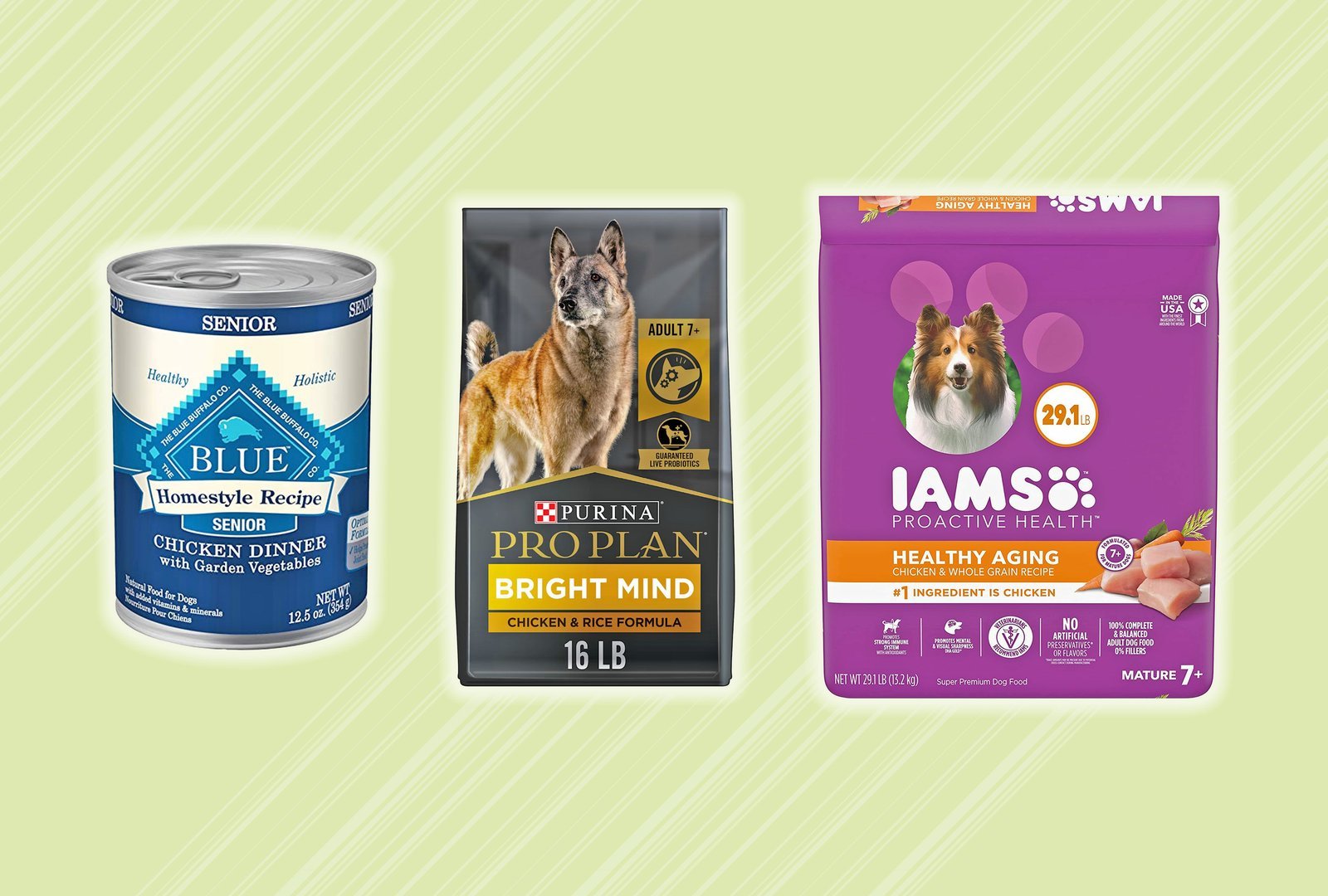
- Read the label to ensure the first ingredient is a named protein source, such as deboned turkey or salmon meal.
- Verify the AAFCO statement on the packaging to confirm it meets the nutritional requirements for your dog’s specific life stage.
- Calculate the daily portion size using the bag’s chart based on your dog’s current weight, adjusting for their individual metabolism.
- Begin the transition by feeding 25% new food and 75% old food for two days to monitor for any digestive changes.
- Increase the ratio to 50% new and 50% old for three days, ensuring your dog maintains normal stool consistency and appetite.
- Finish the transition by feeding 75% new and 25% old for two days, then move to 100% new food if tolerated.
- Measure every meal using a standard kitchen scale or measuring cup to keep calorie intake consistent and avoid accidental overfeeding.
The mistakes that ruin it
Adding too many table scraps leads to an unbalanced diet and can cause dangerous vitamin or mineral excesses. You should limit human food to ten percent of their daily caloric intake. Exceeding this threshold often results in long-term nutritional deficiencies.
Changing brands too quickly triggers severe diarrhea or vomiting because the gut microbiome can’t adapt to new ingredients. Use a seven-day transition period, mixing twenty-five percent new food with seventy-five percent old, slowly increasing the ratio.
Leaving wet food out for more than two hours encourages rapid bacterial growth, increasing the risk of foodborne illness. If your pet doesn’t finish their meal within that window, discard it immediately.
Storing kibble in high-heat areas like a garage causes fats to turn rancid. Rancid lipids destroy essential nutrients and cause gastrointestinal distress. Always keep bags in a cool, dry pantry to maintain freshness.