
If you are wondering what foods are good to feed your dog, plain cooked meat, vegetables like carrots or green beans, and plain rice are suitable options to supplement their diet.
Best foods to feed your dog
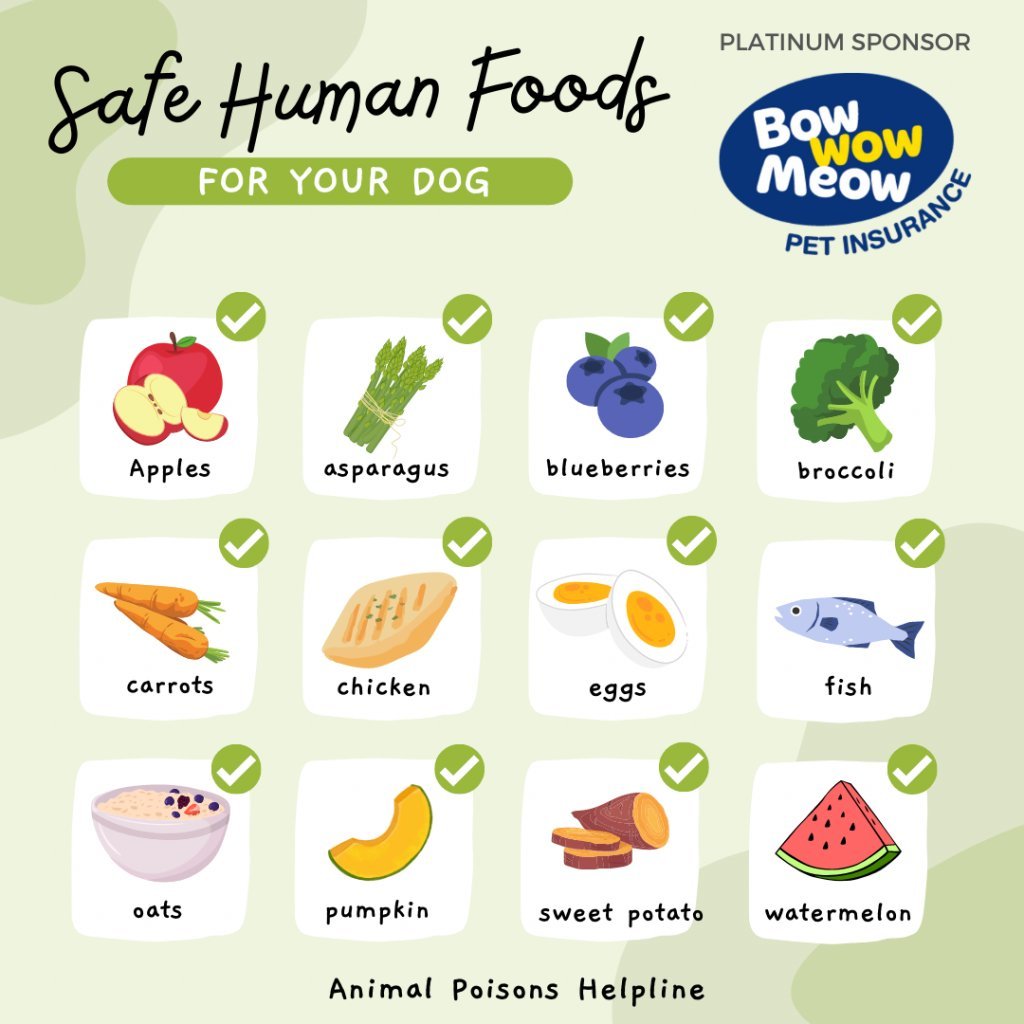
- Serve plain, boneless chicken or turkey breasts boiled in water without salt or oil.
- Offer cooked pumpkin or sweet potato to help with digestion, served in small, mashed portions.
- Give raw or lightly steamed carrots as a low-calorie treat that helps clean teeth.
- Mix small amounts of plain, white rice into their regular meals to soothe an upset stomach.
- Keep portions small, ensuring human food makes up no more than 10% of their daily calories.
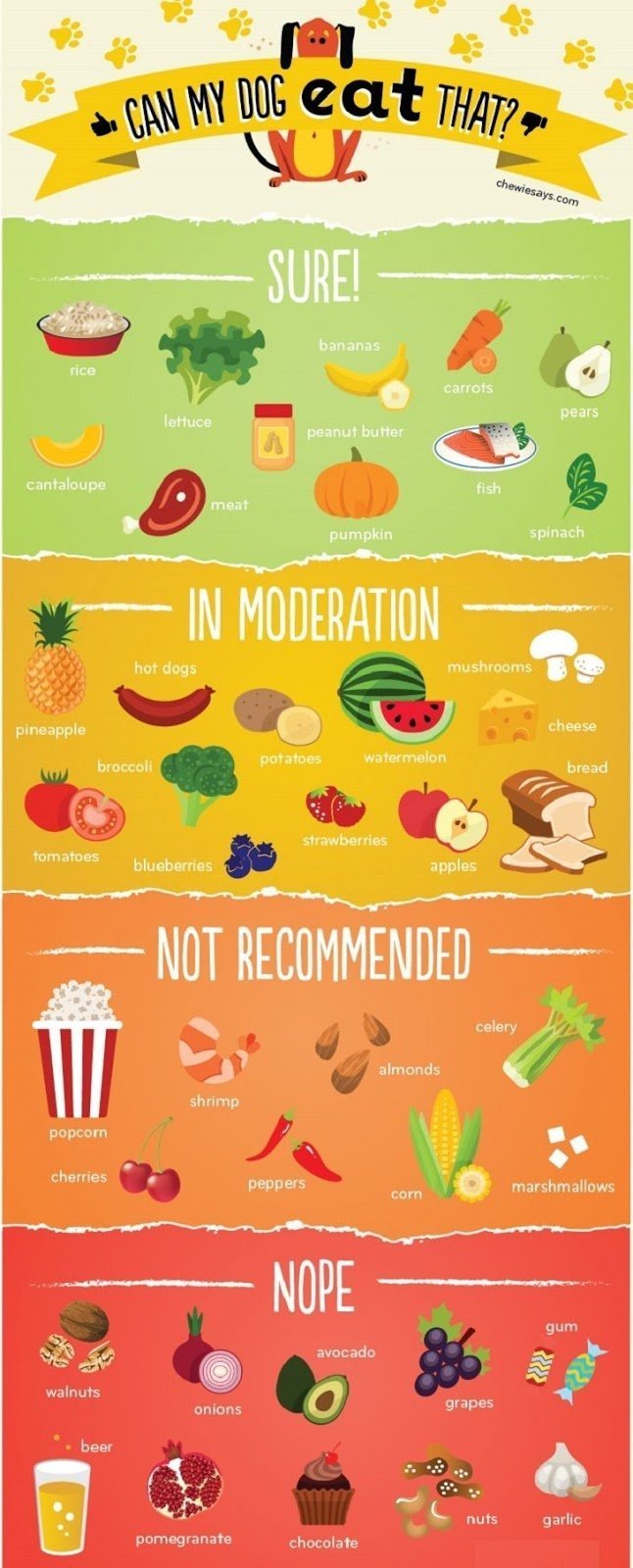
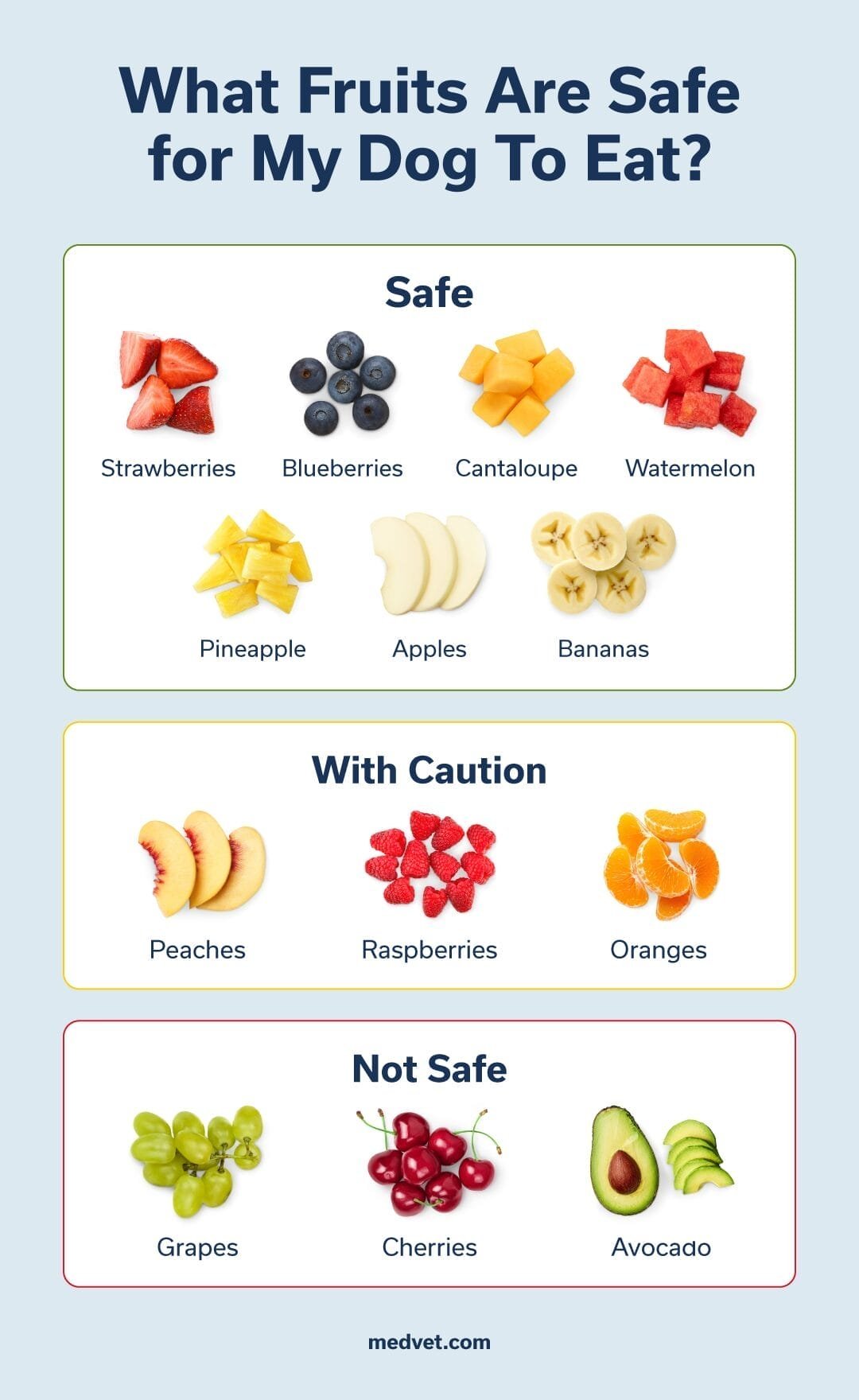
- Avoid all grapes, raisins, chocolate, macadamia nuts, and any products containing the sweetener xylitol.
Why select specific human foods
Choosing the right human foods relies on understanding the canine digestive system, which processes nutrients differently than human biology. Dogs require a balance of protein, healthy fats, and specific vitamins, but they can’t handle the same spices and preservatives found in our kitchen pantry. When you choose plain, single-ingredient foods, you avoid the risks of hidden additives like onion powder or garlic, which damage red blood cells in dogs.
The FDA guidance on pet food safety highlights that many common human ingredients pose significant health risks. It’s important to focus on whole foods that provide fiber or lean protein without changing the chemical balance of their primary kibble. If your dog has a sensitive system, you should always introduce a new food in a tiny amount to watch for signs of stomach upset or itching. This ensures their daily intake remains safe and nutritionally sound.
When the answer is different
| Situation | What changes | What to do instead |
|---|---|---|
| Puppy or senior | Nutrient needs | Consult your vet for specific plans |
| Known allergies | Protein source | Stick to the vet-approved protein |
| Overweight dog | Calorie density | Use green beans instead of rice |
| Kidney issues | Phosphorus levels | Avoid organ meats and dairy |
| Upset stomach | Fiber content | Feed plain boiled chicken and rice |
How to do it properly
- Start by boiling skinless chicken breast in plain water until the internal temperature reaches 165°F to ensure all harmful bacteria are eliminated.
- Remove all bones and skin, as these present a choking hazard or cause internal blockages, then shred the meat into bite-sized pieces.
- Steam vegetables like carrots or green beans until soft, which makes them easier to chew and digest compared to serving them raw.
- Measure the portion carefully; for a medium-sized dog, start with no more than one tablespoon of vegetables mixed into their regular meal.
- Check the dog’s stool after 24 hours; if it’s loose or runny, stop adding new foods and return to their standard diet immediately.
- Store any leftover cooked vegetables or meat in a sealed container in the refrigerator for no more than three days before discarding them.
The mistakes that ruin it
Adding salt, butter, or oil to food causes pancreatitis or severe stomach inflammation. Avoid these fats even in small quantities, as a single high-fat meal can trigger a life-threatening emergency in sensitive breeds.
Feeding cooked bones is a fatal error. They splinter into sharp shards that pierce the stomach or intestinal lining, requiring immediate surgery. Never assume a bone is safe just because it’s large.
Grapes and raisins lead to sudden kidney failure. Even a single grape can be toxic to a small dog. If your pet consumes any amount, contact your veterinarian or an emergency animal poison control center immediately for guidance.
Onions and garlic destroy red blood cells, causing dangerous anemia. This damage is cumulative. If your dog acts lethargic or has pale gums after eating table scraps, seek veterinary care immediately.
Frequently asked questions
Can I feed my dog eggs?
Yes, you can feed your dog cooked eggs as a source of protein. Ensure they’re fully cooked without butter, salt, or pepper, as raw eggs carry a risk of salmonella and a compound that interferes with vitamin absorption in dogs.
How long can I keep cooked chicken in the fridge?
You should keep cooked chicken in the refrigerator for no longer than three days. After that time, the risk of bacterial growth increases significantly, which can cause severe vomiting or diarrhea in your pet.
Is it safe to give my dog cheese?
Small amounts of plain, low-fat cheese are generally safe for dogs who aren’t lactose intolerant. Many dogs struggle to digest dairy, so start with a tiny piece and monitor for gas, bloating, or diarrhea over the next day.
What happens if my dog eats chocolate?
Chocolate contains theobromine, which is toxic to dogs and can cause heart racing, seizures, or death. If your dog eats any amount of chocolate, you should contact your veterinarian or a pet poison control center immediately for guidance.
Does it matter if the rice is brown or white?
Yes, white rice is easier to digest for dogs with an upset stomach because it’s lower in fiber. Brown rice is more nutritious long-term, but it can be too harsh for a dog currently experiencing digestive distress or diarrhea.
Can I feed my dog fruit?
Yes, apples and blueberries are excellent snacks, but you must remove all seeds and cores first. Apple seeds contain trace amounts of cyanide, which is harmful to dogs if they consume a large quantity of them.
Final Thoughts
Always check with your vet before you add new items to your pet’s bowl, as every dog’s health needs are unique. They’ll help you figure out the right portion sizes for your furry friend. Once you’ve got the green light, you’ll be ready to share some healthy, tasty treats together.
Related guides