

When considering what food to feed your dog, a complete and balanced commercial diet, whether dry or wet, provides the necessary protein, fats, and vitamins.
Understanding nutritional requirements
The most important factor is confirming the label states the food is “complete and balanced” for your dog’s specific life stage, such as puppy, adult, or senior. This ensures the formula provides all essential nutrients in the correct proportions.
A common mistake is assuming that human-grade ingredients automatically make a diet safer or more nutritious. If the formulation isn’t balanced by a veterinary nutritionist, your dog may suffer from long-term nutrient deficiencies.
Best food to feed your dog

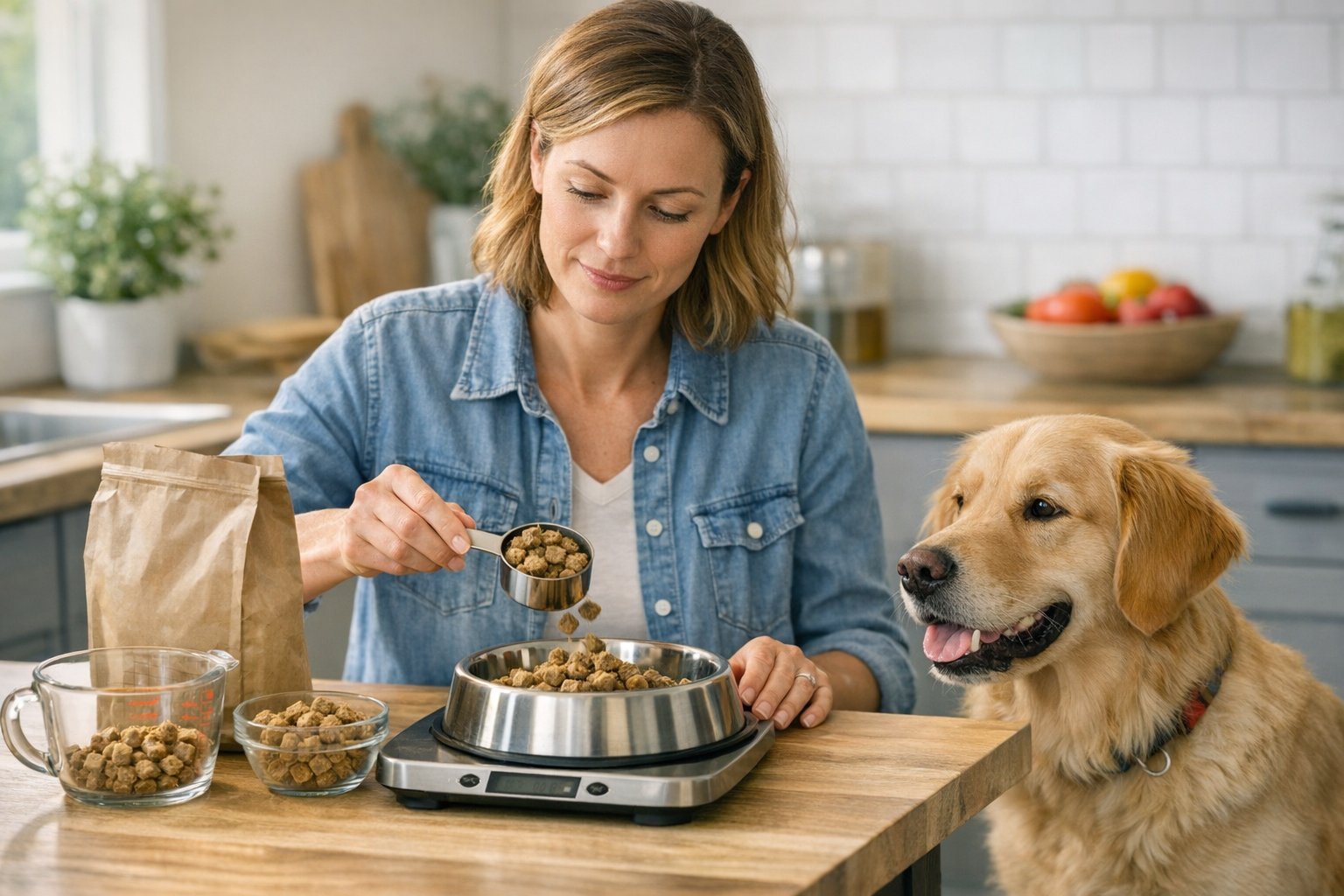
- Measure the exact portion size using a standard measuring cup based on the manufacturer’s feeding guide located on the packaging.
- Adjust the daily amount if your dog is spayed, neutered, or less active, as these factors often lower caloric needs by 10% to 20%.
- Divide the total daily allotment into two separate meals to help maintain consistent energy levels throughout the day.
- Provide fresh, clean water in a stainless steel or ceramic bowl that you wash daily to prevent bacterial growth.
- Store dry kibble in an airtight container in a cool, dry place to prevent the fats from turning rancid. * Tip: Avoid leaving wet food out for more than 30 minutes at room temperature, as it can quickly become a breeding ground for bacteria.
Nutritional breakdown by life stage
| Life Stage | Primary Focus | Caloric Density | Typical Feeding Frequency |
|---|---|---|---|
| Puppy | Growth & Development | High | 3-4 times daily |
| Adult | Maintenance | Moderate | 2 times daily |
| Senior | Joint & Metabolic Health | Lower | 1-2 times daily |
| Active Working | High Performance | Very High | 2-3 times daily |
If your dog is losing weight despite following the label, consult your vet to rule out underlying health issues before increasing the portions.
Identifying ideal condition
You can tell if the food is serving your dog well by checking their body condition score. A healthy dog should have a visible waist when viewed from above and an abdominal tuck when viewed from the side. The ribs should be easy to feel with light pressure but not visibly prominent.
If you can’t feel the ribs, your dog is likely overfed. This excess weight puts unnecessary strain on joints and shortens lifespan as it ages. Conversely, if the ribs are sharp to the touch, increase portion sizes gradually.
If the coat is dull or the dog seems constantly hungry, the current diet may lack the necessary fat levels or protein digestibility for that specific animal. Always monitor their energy levels and stool quality as primary indicators of digestive health. If stools are consistently loose, consult your veterinarian to rule out health issues or food sensitivities before switching formulas.
Common dietary errors
- Overfeeding treats: Owners often provide too many snacks, which can lead to obesity and nutrient imbalances because treats lack the balanced profile of main meals. Limit all treats to no more than 10% of the total daily caloric intake.
- Rapid diet changes: Switching brands overnight causes severe gastrointestinal upset, including vomiting or diarrhea. Transition to a new food gradually over a period of seven days by mixing increasing amounts of the new food with the old.
- Ignoring breed size: Always select a bag formulated for your dog’s size to ensure proper bone and metabolic support.
Frequently asked questions
Can I feed my dog raw meat?
Feeding raw meat carries a significant risk of pathogen contamination, such as Salmonella or Listeria, which can affect both your pet and your household. Most veterinary organizations advise against raw diets due to these safety concerns and the high likelihood of nutritional imbalances.
Why is my dog eating grass?
Dogs often eat grass to investigate new smells or textures, though it’s sometimes a sign of mild digestive discomfort. If your dog is eating large amounts or showing signs of illness, it isn’t a dietary fix and you should contact your veterinarian for an assessment.
How long does a bag of dog food last?
Most dry kibble remains fresh for about four to six weeks after opening if stored in an airtight container. Check the “best by” date on the bag, but remember that once the seal is broken, exposure to air and humidity degrades the quality of the fats.
Is it safe to feed my dog table scraps?
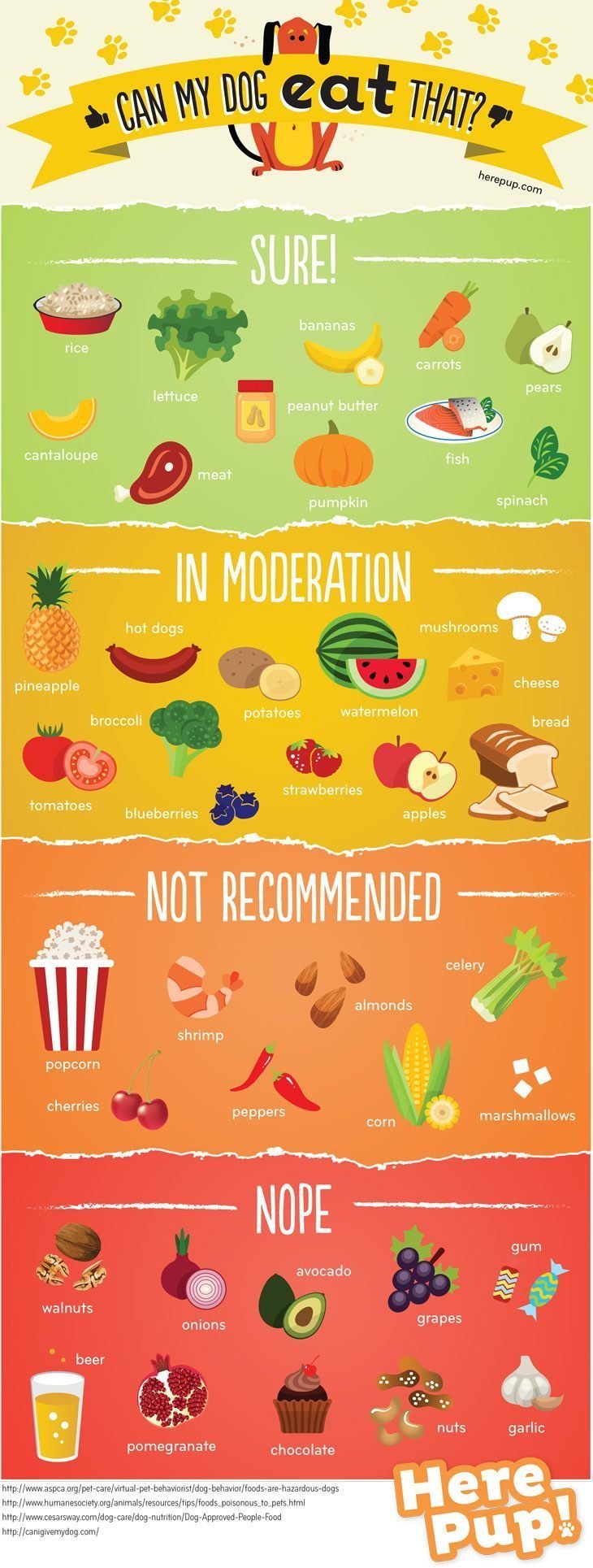
It isn’t safe to feed table scraps because many human foods contain high levels of salt, fat, or ingredients that are toxic to dogs. Even small amounts of cooked bones or fatty meats can cause dangerous digestive blockages or painful inflammation of the pancreas.
What happens if I switch dog food too fast?
Switching food too fast usually results in an upset stomach, causing diarrhea, vomiting, or a complete loss of appetite. Always use a seven-day transition period to allow the gut microbiome to adjust to the new ingredients and nutrient levels.
Final Thoughts
Choosing the right bowl of food is a simple way to show your best friend you care. If you’re ever unsure about a new ingredient or brand, don’t hesitate to ask your veterinarian for advice. They’ll help you make sure your pup’s meals are always healthy, tasty, and just right for them.
Related guides