
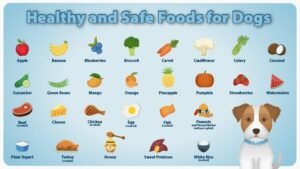
If you are wondering what is a good dog food to feed your dog, look for products that meet Association of American Feed Control Officials standards. These ensure a balanced diet for your pet’s life stage, so always check the label for a statement confirming this compliance.
The most important factor is choosing a formula designed for your dog’s age, such as puppy, adult, or senior, because nutritional needs change drastically over time. The most common mistake is ignoring the feeding guidelines on the package, which leads to obesity. If your dog is active, they need more calories; if they’re sedentary, you should scale back the portions to prevent unhealthy weight gain.
Choosing the best food to feed your dog
Photo: www.consumerreports.org on Google
- Check the bag for a nutritional adequacy statement, which confirms the food has passed AAFCO feeding trials or meets nutrient profiles.
- Select a recipe specifically formulated for your dog’s current life stage to ensure they receive the right balance of protein, fats, and minerals.
- Measure your portions precisely using a standard measuring cup or a kitchen scale, as “eyeballing” the amount often leads to overfeeding.
- Transition your dog to a new food slowly over 7 to 10 days by mixing increasing amounts of the new food with the old one to avoid stomach upset.
- Store dry kibble in a cool, dry place inside an airtight container to maintain freshness and prevent mold growth. Tip: If you see signs of loose stool during a transition, slow down the process by adding more of the old food back into the mix.
- Consult your veterinarian before choosing specialized diets for dogs with known medical conditions, as they can recommend specific therapeutic formulas. Tip: Never feed your dog human food scraps as a primary meal, as these lack the balanced nutrients required for canine health.
Feeding Time Estimates
Feeding frequency depends on the dog’s age and metabolism, with puppies requiring more frequent, smaller meals than adults.
| Dog Age | Meals per Day | Serving Size | What Changes It |
|---|---|---|---|
| Puppy (2-6 months) | 3 to 4 | Small portions | Growth rate |
| Adult (1-7 years) | 1 to 2 | Consistent weight | Activity level |
| Senior (7+ years) | 1 to 2 | Lower calorie | Metabolism speed |
If your dog leaves food in the bowl consistently, reduce the portion size at the next feeding to match their actual intake.
How to tell when it’s done
Photo: www.petmedicalcenterverobeach.com on Google
You can tell if a food is working by monitoring your dog’s body condition and energy levels over several weeks. A healthy dog should have a visible waist when viewed from above and ribs that are easily felt but not seen. Look for a shiny coat, firm stools, and consistent energy throughout the day. If your dog becomes lethargic or experiences sudden weight changes, it’s time to reassess the diet with your vet.
Mistakes that ruin it
- Overfeeding based on appetite: Many owners mistake a dog’s begging for hunger, but giving extra food consistently leads to joint stress and heart issues. Always stick to the weight-based guidelines provided on the packaging rather than relying on your dog’s behavior.
- Rapid diet changes: Switching brands overnight causes severe gastrointestinal distress, including vomiting and diarrhea. Always use a transition period of at least one week to allow the digestive system to adapt to new ingredients.
- Ignoring calorie density: A cup of high-protein performance food contains many more calories than a standard maintenance diet. You must adjust your serving size whenever you switch between different types of food to avoid rapid weight gain.
Frequently asked questions
Photo: corpus.kg on Google
Can I feed my dog the same food for their whole life?
No, you shouldn’t feed the same food for their whole life because nutritional requirements shift significantly from puppyhood to the senior years. Puppies need more energy for growth, while seniors often require fewer calories and added joint support to maintain a healthy quality of life.
How do I know if my dog is allergic to their food?
You’ll notice symptoms like chronic ear infections, itchy skin, or persistent digestive upset if your dog has a food allergy. If you suspect an allergy, consult your veterinarian to conduct a controlled elimination diet trial to identify the specific ingredient causing the reaction.
Is grain-free food better for my dog?
No, grain-free food isn’t inherently better for the average dog unless they have a confirmed grain allergy diagnosed by a veterinarian. Most dogs digest grains like rice and oats easily, and these provide necessary fiber and energy that are missing from some grain-free formulas.
What happens if my dog eats too much?
Eating too much causes immediate digestive discomfort and, if it happens regularly, leads to obesity and related health complications like diabetes. If your dog accidentally consumes a large amount of food at once, watch for bloating or vomiting and contact your vet if symptoms persist.
How long does a bag of dry food stay fresh?
Dry food typically stays fresh for about 4 to 6 weeks after opening if it’s stored in a cool, dry environment with the bag tightly sealed. You should check the “best by” date on the packaging and avoid buying bags that are too large for your dog to finish within this timeframe.
Final Thoughts
Choosing the right meal isn’t just about labels; it’s about watching how your companion thrives every day. If you’re still unsure, don’t hesitate to schedule a quick chat with your veterinarian. They’ll help you tailor a plan that’s perfect for your pup’s health, ensuring they’re happy and full of energy.