
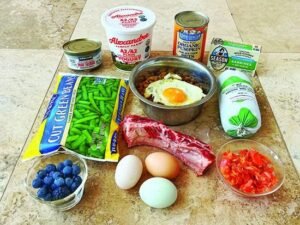
If you are wondering what fresh foods can i feed my dog, options to supplement kibble include carrots, blueberries, plain cooked chicken, and green beans. Always wash produce to remove pesticides and introduce new items in small amounts to avoid upsetting your pet’s stomach.
Why it works / what to know first
Fresh foods provide vitamins and fiber that complement a dog’s diet when served as an occasional treat. The most important rule is to ensure these additions make up no more than 10% of your dog’s total daily calories.
The most common mistake owners make is feeding human food that contains hidden ingredients like xylitol, onions, or garlic. These are toxic to dogs even in small amounts. Always check the label on prepared items to ensure they’re plain and additive-free.
Best fresh foods to feed your dog
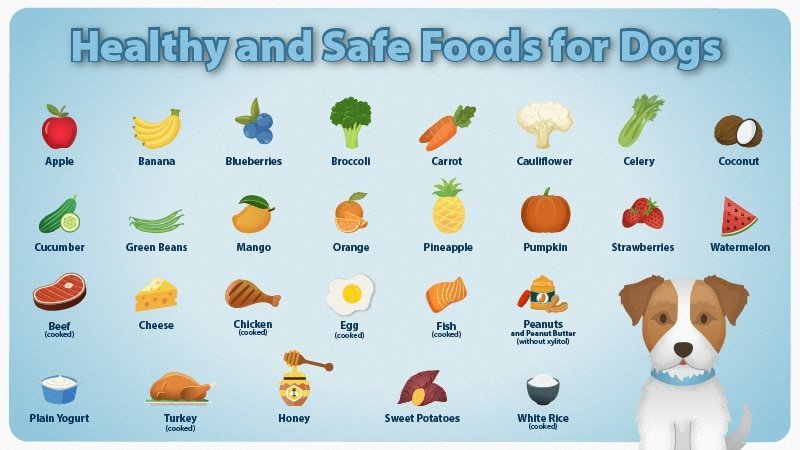
- Wash all vegetables and fruits under cold running water to remove surface residues before chopping them into bite-sized pieces.
- Steam or boil vegetables like broccoli or green beans until tender, as raw, fibrous stalks can be difficult for some dogs to digest.
- Remove all seeds and pits from fruits like apples or pears, as these parts contain compounds that can release cyanide when chewed and digested.
- Cook all meat, including chicken or turkey, until it reaches an internal temperature of 165°F to kill harmful bacteria, according to FoodSafety.gov’s safe minimum internal temperatures.
- Serve plain, unseasoned food only, avoiding any added salt, butter, oils, or spices that are common in human cooking. Tip: If your dog has a sensitive stomach, introduce only one new food at a time over several days to monitor for signs of vomiting or diarrhea. Tip: Always consult your veterinarian before changing your dog’s diet, especially if they have pre-existing health conditions like diabetes or kidney disease.
How long it takes
The time required depends on the preparation method needed for the specific food item you choose.
| Situation | How long | What changes it | What to watch for |
|---|---|---|---|
| Chopping vegetables | 5 minutes | Size of the dog | Choking hazards |
| Steaming green beans | 8 minutes | Texture preference | Mushy vs. crisp |
| Boiling chicken breast | 20 minutes | Thickness of meat | Internal doneness |
| Washing berries | 1 minute | Amount of fruit | Mold or soft spots |
If the food remains hard or cold after the suggested time, continue heating in 1-minute intervals until the center is cooked through and easy to chew.
How to tell when it’s done
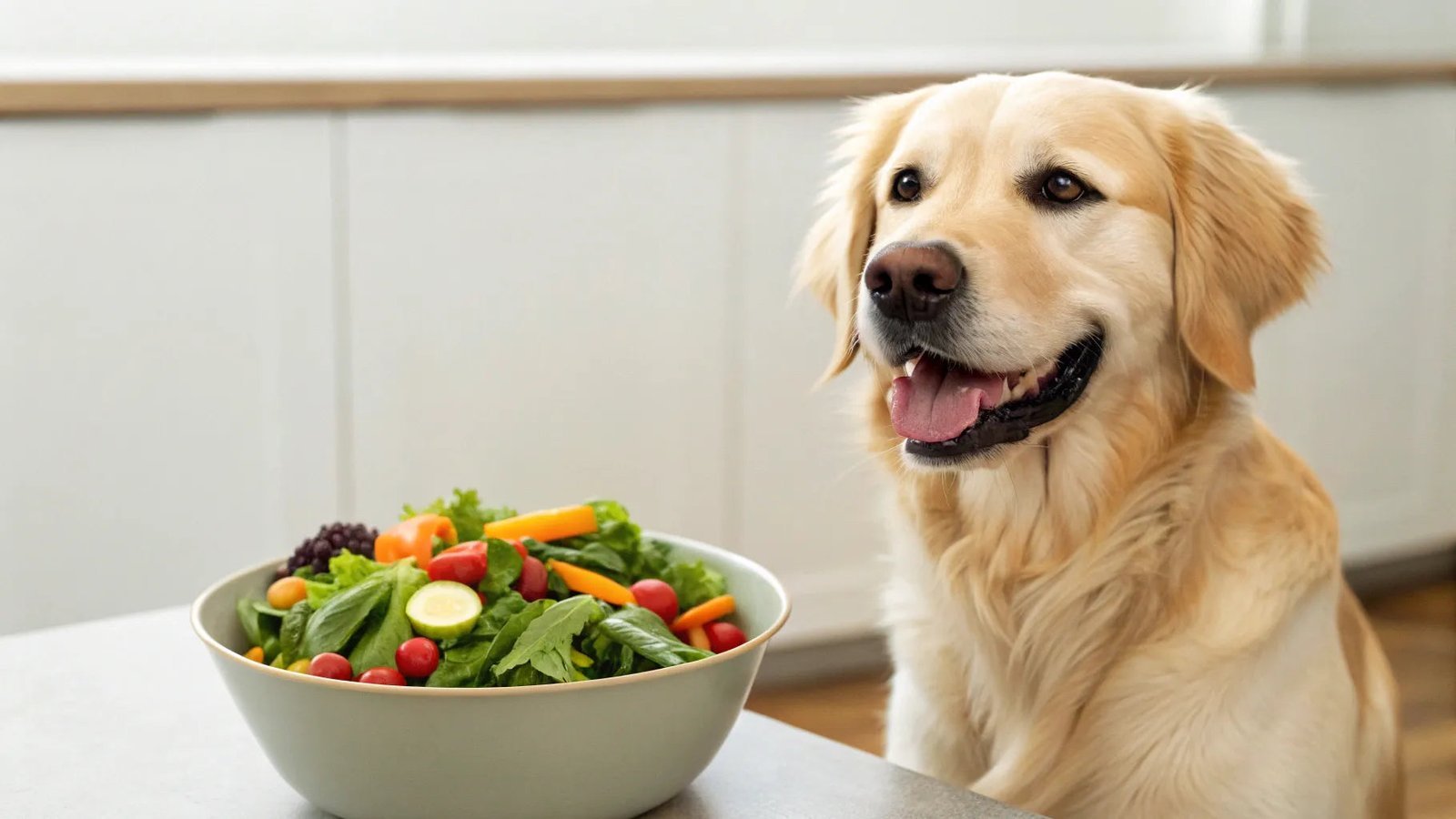
Vegetables should be soft enough to pierce easily with a fork, which ensures they’re gentle on your dog’s digestive tract. For meat, you must use a digital food thermometer to verify it has reached the safe threshold of 165°F. Never rely on the color of the meat or the juices, as these aren’t reliable indicators of safety. If you’re serving fresh fruit, ensure it’s ripe and free of any bruising or mold. When in doubt, discard any item that smells “off” or has a slimy texture, as these are signs of bacterial growth.
Mistakes that ruin it
- Feeding grapes or raisins: These can cause sudden kidney failure in dogs even in very small amounts. Always keep these items strictly out of reach.
- Adding onions or garlic: These ingredients damage red blood cells and lead to anemia in pets. Never use onion or garlic powder as a seasoning for your dog’s food.
- Leaving large chunks: Large pieces of food can become lodged in a dog’s throat or cause an intestinal blockage. Always cut food into sizes appropriate for your dog’s breed and weight.
- Using fatty scraps: Trimmings from meat or skin can trigger painful pancreatitis. Always choose lean protein sources and remove all visible fat before serving.
Frequently asked questions
Can I feed my dog raw carrots?
Yes, you can feed your dog raw carrots as they’re a healthy, low-calorie snack that promotes dental health. Wash them well and cut them into small, manageable sticks to prevent choking, especially for smaller dogs who might try to swallow large pieces whole.
Is it safe to feed my dog bananas?
Yes, bananas are safe in moderation because they’re high in potassium and fiber. Limit the portion to a few small slices occasionally, as their high sugar content can contribute to weight gain if fed in excess.
What happens if my dog eats an onion?
If your dog eats onion, you must contact your veterinarian immediately, as it contains compounds that destroy red blood cells. Symptoms of toxicity include weakness, pale gums, and lethargy, which may not appear for several days after the ingestion occurs.
How long can I keep fresh food in the fridge?
You should store fresh, cooked food in the refrigerator for no more than 3 days in a sealed container. If you have prepared a larger batch, portion it out and freeze the excess to maintain quality and safety for up to 3 months.
Can dogs eat cooked rice?
Yes, plain white or brown rice is safe and often recommended for dogs with upset stomachs. Ensure it’s cooked thoroughly in water without any salt, butter, or chicken broth, which often contains harmful onion or garlic additives.
How much fresh food is too much?
You should limit fresh food to 10% of your dog’s total daily calorie intake to ensure they still receive a balanced diet. If you notice your dog gaining weight, reduce the amount of extra treats and adjust their main meal portions accordingly.
Final Thoughts
Adding these wholesome snacks is a wonderful way to show your pup some extra love. Before you start sharing your kitchen staples, check with your vet to make sure these treats fit your dog’s specific health needs. You’ll soon see how much they enjoy a little variety in their daily bowl.
Related guides