
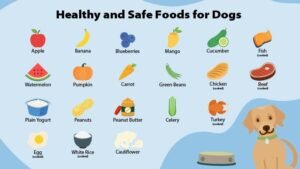
The best food to feed dogs is a commercial diet labeled “complete and balanced” for your pet’s life stage. This food must meet the nutrient profiles set by the Association of American Feed Control Officials (AAFCO). The exact brand changes based on your dog’s age, body weight, and medical history.
What is best food to feed dogs: Key facts
Photo: aldoradoor.com on Google
Choosing the right bag comes down to tested nutritional standards and correct daily portions rather than marketing terms on the front label.
- Look for an explicit AAFCO nutritional adequacy statement on the back of the bag confirming the meal provides complete daily nutrition.
- Choose food matched to your dog’s current life stage: growth for puppies under one year, adult maintenance, or senior care.
- Measure meals with an eight-ounce kitchen measuring cup or a gram scale instead of guessing with a standard drinking cup.
- Select dry kibble with 18% to 26% crude protein for healthy, non-working adult pets.
- Keep all treats, chews, and table scraps under 10% of your dog’s total daily calorie intake to prevent nutrient imbalances.
- Check that an animal protein, like chicken, beef, or lamb, sits as the first ingredient on the panel.
Why complete commercial foods work best
Commercial dog foods built by veterinary nutritionists provide the correct balance of amino acids, fatty acids, vitamins, and minerals. Dogs need dozens of individual nutrients regularly, including calcium, phosphorus, and zinc, in precise ratios to each other. An imbalance between calcium and phosphorus, for example, causes severe bone deformities in growing puppies.
Large pet food manufacturers run feeding trials to ensure dogs can actually absorb these minerals through digestion. The FDA animal food guidance states that a food must meet recognized nutrient profiles or pass feeding trials to claim it’s complete and balanced. Raw meat and home-cooked chicken-and-rice recipes almost always lack essential micro-minerals like iodine, vitamin E, and copper. When dogs eat an unfortified diet for several months, their bodies pull minerals directly out of their bones, leading to fractures and organ strain.
Canine diets across different life stages
Photo: www.carecredit.com on Google
Feeding requirements shift as a dog grows, gains weight, or develops health problems.
| Situation | What changes | What to do instead |
|---|---|---|
| Large breed puppy | Needs controlled calcium levels | Feed large-breed growth formula |
| Chronic kidney disease | Needs lower phosphorus levels | Switch to renal veterinary diet |
| Overweight adult dog | Requires lower caloric density | Feed weight management formula |
| Dog with food allergy | Reacts to common proteins | Use hydrolyzed protein food |
| Working sled dog | Burns high daily calories | Feed high-fat performance diet |
| Senior dog with arthritis | Needs joint support nutrients | Choose senior mobility diet |
How to switch your dog food safely
Switching meals too fast causes stomach cramps, soft stool, and vomiting. You should complete a transition across seven days to minimize the risk of gastrointestinal upset.
- Mix 25% of the new food with 75% of the old food for days one and two.
- Check your dog’s stool daily to confirm it stays firm and shaped before increasing the new amount.
- Combine 50% of the new food with 50% of the old food on days three and four.
- Watch for signs of an upset stomach, like gas or skipped meals, during the middle of the week.
- Blend 75% of the new food with 25% of the old food on days five and six.
- Serve 100% of the new food on day seven if the stool remains normal.
Feeding mistakes that harm your dog
A frequent mistake is feeding by volume using a coffee mug or plastic cup instead of an accurate measure. This habit often adds 200 extra calories a day, leading directly to obesity and painful joint stress.
- Adding raw meat to balanced kibble disrupts the calcium-to-phosphorus ratio and risks bacterial contamination.
- Buying grain-free diets based on marketing trends can deny your pet digestible carbohydrates and balanced fiber.
- Leaving dry food open in warm garages oxidizes the fats, turning the food rancid and causing gut illness.
- Feeding human table scraps introduces toxic ingredients like onions, garlic, and excessive sodium.
Frequently asked questions
Photo: www.businessinsider.com on Google
Can dogs eat a raw meat diet safely?
No, major veterinary associations advise against raw diets because they carry Salmonella and lack balanced calcium and trace minerals. Uncooked bones also crack teeth and tear internal organs.
How much food does an adult dog need daily?
About one to two cups of standard adult kibble for a thirty-pound dog, divided into two meals. Check the package feeding chart for the exact cups based on weight.
Is grain-free food healthier for dogs?
No, dogs digest cooked grains easily, and true grain allergies are rare in pets. The FDA has investigated links between grain-free legume-heavy diets and canine heart disease.
Does wet food clean a dog’s teeth better than kibble?
No, wet food doesn’t scrape plaque away, and standard kibble shatters immediately at the tooth tip without cleaning the gumline. You need daily tooth brushing for dental health.
What happens if I change dog food immediately?
Your dog will likely develop watery diarrhea, intestinal gas, and vomiting within twelve to twenty-four hours. Rapid ingredient changes can cause gastrointestinal distress.
Is homemade dog food safe to feed long term?
No, not unless the recipe is formulated by a board-certified veterinary nutritionist. Standard home recipes lack necessary levels of zinc, iron, calcium, and essential fatty acids.
Food feed, in short
A healthy feeding routine centers on a tested commercial diet, measured portions, and clean water. If your dog has loose stool, poor energy, or chronic itching, don’t guess with boutique diets; schedule a visit with your veterinarian to check for underlying medical conditions.