
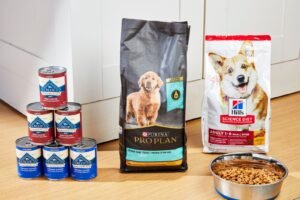
If you are asking what is a good healthy dog food, it is a diet that meets the nutritional profiles established by the Association of American Feed Control Officials for your dog’s life stage. This assumes your dog has no unique health conditions; for those with allergies or chronic illness, you must consult a veterinarian for a specialized diet.
What makes dog food healthy
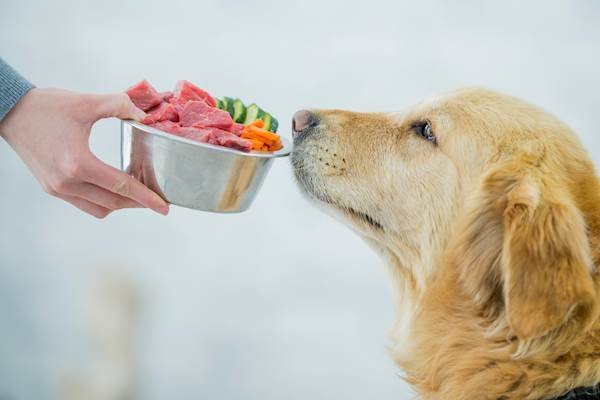
- Check the label for a statement confirming the food meets AAFCO nutrient profiles for your dog’s age.
- Choose products listing a high-quality animal protein, like chicken or beef, as the first ingredient.
- Avoid foods with vague descriptions like “meat meal” or “animal by-products” unless the specific source is named.
- If your dog is a puppy, ensure the label specifies it’s formulated for growth or all life stages.
- Switch foods slowly over 7 to 10 days by mixing in increasing amounts of the new food to avoid upset stomachs.
- Store dry kibble in its original bag inside an airtight container to keep it fresh and prevent mold growth.
Why nutrition standards matter for dogs
Selecting the right fuel for your pet requires understanding that dogs have specific biological requirements for proteins, fats, vitamins, and minerals. A healthy diet provides these in the correct ratios to support muscle maintenance, immune function, and energy levels throughout the day. When a manufacturer follows AAFCO guidelines, they ensure the product has been tested or formulated to prevent common deficiencies that lead to long-term health decline.
If you’re unsure if a brand is reputable, look for information about their quality control processes on their official website. Large, established companies often have veterinary nutritionists on staff who oversee the formulation of every batch. This varies by product — check the label for the “complete and balanced” statement, as some snacks or mixers are intended only for supplemental feeding. If you see “for intermittent feeding only,” don’t use that as your dog’s primary source of daily nutrition.
When the answer is different
| Situation | What changes | What to do instead |
|---|---|---|
| Puppy | Higher caloric needs | Buy puppy-specific formula |
| Senior | Lower metabolic rate | Choose weight-control blends |
| Allergy | Specific protein source | Use limited ingredient diet |
| High activity | Increased fat content | Select working dog food |
| Sensitive gut | Digestibility requirements | Consult your local veterinarian |
How to do it properly
- Read the back of the bag to confirm the food meets the nutritional needs for your dog’s specific age and size.
- Measure the daily amount based on the weight listed on the package, using a kitchen scale for consistent portion control every time.
- Divide the total daily amount into two separate meals to keep your dog satisfied and help maintain a steady blood sugar level throughout.
- Monitor your dog’s body condition by feeling for their ribs; you should feel them easily without pressing hard through a layer of fat.
- Adjust the portion size by 5 to 10 percent if your dog starts gaining or losing weight, as metabolic needs shift with activity levels.
- Provide fresh water in a clean bowl at all times, washing the dish with hot soap and water at least once every day.
The mistakes that ruin it
- Feeding based on “eyeballing” portions often leads to obesity, which puts dangerous stress on a dog’s joints and heart.
- Adding too many table scraps dilutes the balanced nutrients in the dog food, which can cause vitamin imbalances over time.
- Changing brands abruptly without a transition period creates severe digestive distress, including vomiting and diarrhea.
- Storing kibble in a damp garage can lead to the growth of mycotoxins, which are harmful if consumed by your pet.
Frequently asked questions
Is grain-free food healthier?
No, grain-free food isn’t inherently healthier for most dogs unless they have a diagnosed allergy. Unless your veterinarian specifically recommends a grain-free diet, grains provide essential fiber and energy that support a balanced digestive system for the average healthy dog.
How do I know if the food is high quality?
Look for a named protein source as the first ingredient and a clear statement of AAFCO compliance on the label. A quality manufacturer will provide contact information for you to ask questions about their ingredient sourcing and their internal quality testing procedures.
Can I feed my dog human food?
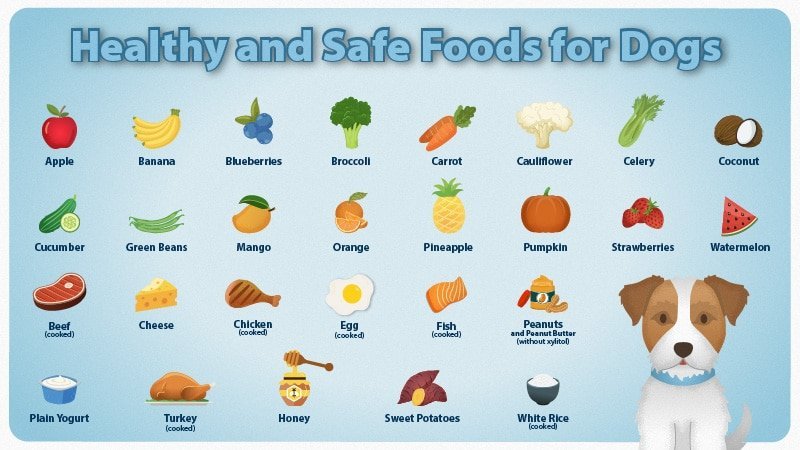
You can offer small amounts of plain vegetables like carrots or green beans, but human meals are often too high in fat or salt. Never feed your dog onions, garlic, grapes, or chocolate, as these are toxic to dogs even in very small amounts.
How long does a bag of food stay fresh?
Most dry food stays fresh for up to six weeks after opening if kept in a cool, dry place. Always check the “best by” date on the packaging, as the fat content in the food can turn rancid if stored for too long after opening.
Is raw food better for my dog?
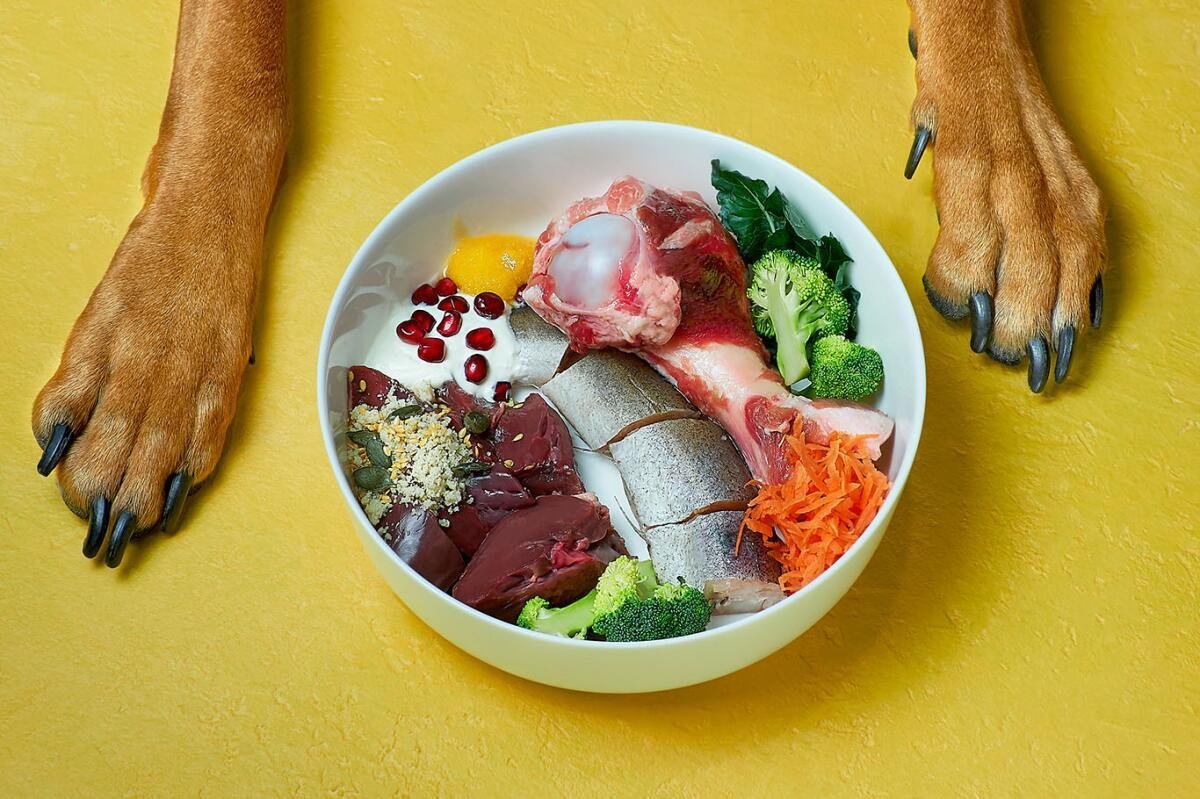
There’s no scientific consensus that raw food is better, and it carries a higher risk of bacterial contamination for both the dog and the owner. If you’re considering a raw diet, you must consult a veterinary nutritionist to ensure the diet is safe.
Does the price of dog food matter?
Price doesn’t always equal quality, but very cheap foods may use lower-grade ingredients that are harder for your dog to digest. Focus on the nutritional adequacy statement and the brand’s reputation for safety rather than the price tag alone when making your choice.
Final Thoughts
Choosing the right meal isn’t just about reading labels; it’s about watching how your companion thrives day to day. If you’re ever unsure, don’t hesitate to bring a bag to your next vet visit. They’ll help you confirm you’ve made a choice that’ll keep your best friend happy and energetic for years.
Related guides