
To determine what is best food for dog health, look for a balanced diet that meets the nutritional standards set by the Association of American Feed Control Officials for your pet’s life stage, as verified on the package label.
Nutritional balance and life stages
Choosing the right meal depends on your pet’s age and size. A puppy needs more protein and fat for growth, while a senior dog requires fewer calories to maintain a healthy weight. If your dog is active, they need higher energy density; if they’re sedentary, choose a lower-calorie formula to prevent obesity.
The most common mistake owners make is ignoring the life-stage label. Feeding a puppy formula to an adult dog often leads to excess weight gain, while giving adult food to a puppy can cause developmental deficiencies. Always check the bag for a statement confirming it’s complete and balanced for your dog’s current age.
Feeding Your Dog Properly
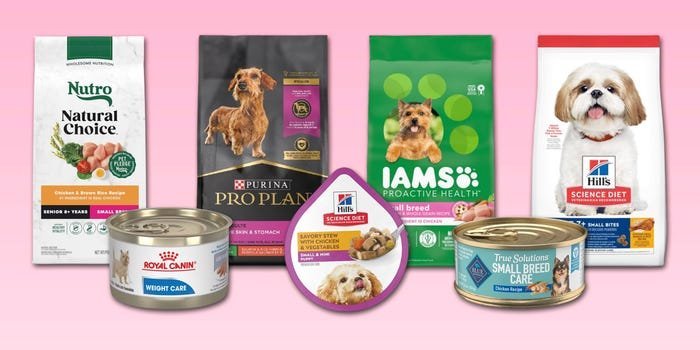
- Measure your dog’s portion using a standard kitchen scale rather than a cup. This ensures you provide the exact grams recommended by the feeding chart on the bag.
- Divide the total daily amount into two or three meals to help digestion and keep energy levels stable throughout the day.
- Introduce any new food gradually over seven days by mixing it with the old brand to avoid stomach upset.
- Keep fresh, clean water available at all times.
- Consult your veterinarian before adding supplements, as an Association of American Feed Control Officials label already ensures the food provides all necessary vitamins.
Tip: If your dog leaves food in the bowl, reduce the next serving by ten percent to prevent waste and overfeeding.
Tip: Store dry kibble in an airtight container to prevent fats from going rancid, which ruins the flavor and nutritional value.
How long it takes
The time needed to transition to a new diet depends on your dog’s sensitivity.
| Situation | How long | What changes it | What to watch for |
|---|---|---|---|
| Standard dog | 7 days | Stomach sensitivity | Loose stools |
| Sensitive stomach | 14 days | History of illness | Vomiting |
| Senior dog | 10 days | Digestive speed | Reduced appetite |
If your dog shows signs of distress like diarrhea or vomiting for more than 48 hours, stop the transition and contact your veterinarian immediately.
How to tell when it’s done
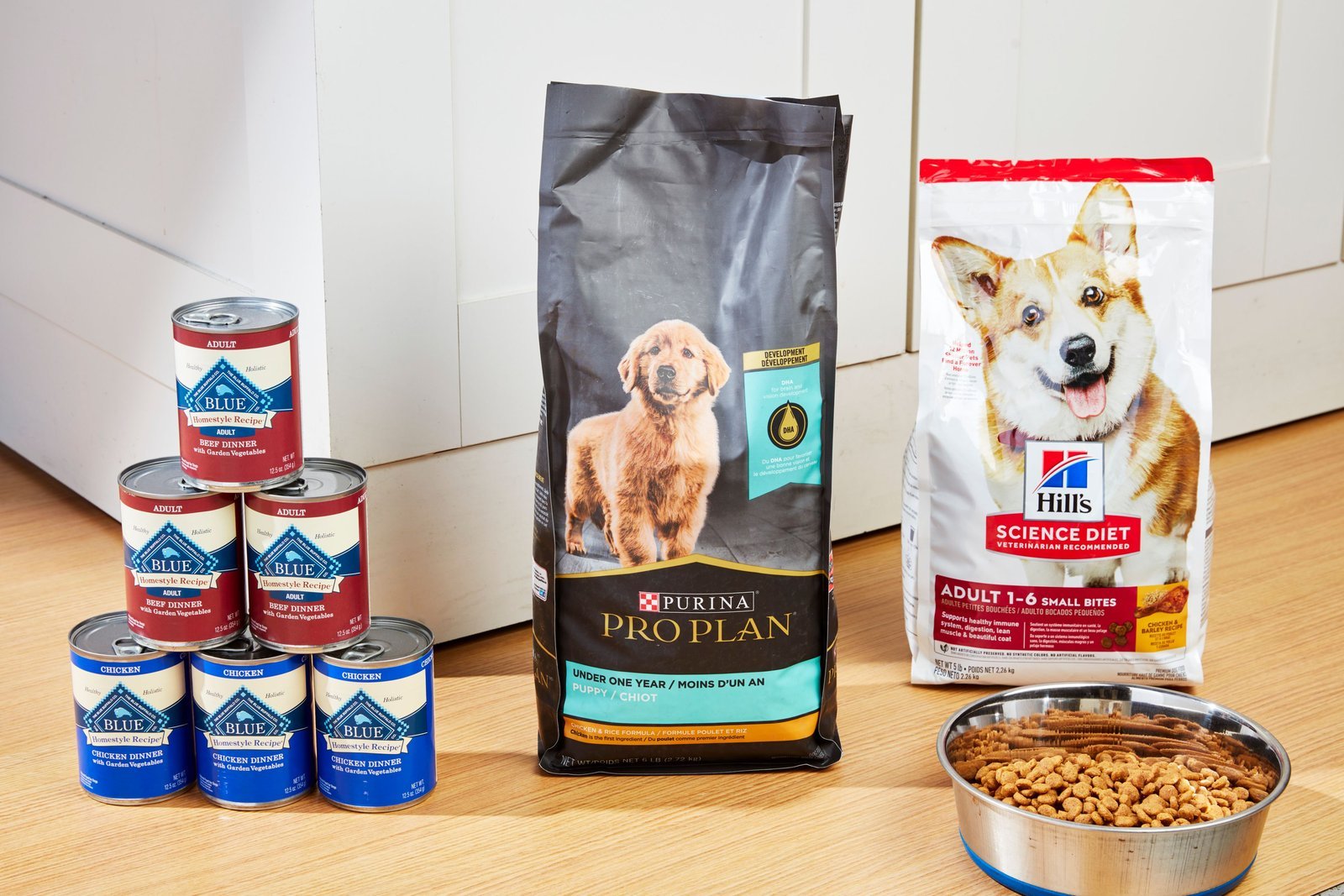
You know the food is right when your dog maintains a steady weight and has a shiny, healthy coat. Check their ribs; you should be able to feel them easily without pressing hard, but they shouldn’t be visible. If the dog is gaining weight, cut the daily intake by five percent. If they’re losing weight or seem hungry, increase the portion slightly. Monitor their energy levels and stool quality, as these are the primary indicators of proper nutrient absorption.
Mistakes that ruin it
- Feeding human table scraps: These often contain high fat or salt levels that lead to pancreatitis or obesity. Stick to dog-specific treats in moderation.
- Ignoring the calorie count: Many owners follow the portion guide on the bag without adjusting for the dog’s activity level. Always adjust based on your dog’s actual weight, not the estimate on the package.
- Mixing brands randomly: This creates an unpredictable nutrient profile and makes it impossible to identify which food caused a reaction if your dog gets sick. Use one high-quality, balanced brand at a time.
- Changing food too quickly: A sudden switch causes severe digestive upset, including vomiting and diarrhea. Always use a full week to transition.
Frequently asked questions
Can I feed my dog raw meat?
No, feeding raw meat carries a significant risk of bacterial contamination like Salmonella or Listeria. These pathogens can make both the dog and the humans in your household sick, so cooked or commercially processed food is safer.
Why is my dog not eating?
If your dog suddenly stops eating, it may indicate a dental issue, stress, or an underlying illness. If the lack of appetite lasts longer than 24 hours or is accompanied by lethargy, take them to a veterinarian for a checkup.
How much water should a dog drink?
A healthy dog typically drinks between one-half and one ounce of water per pound of body weight daily. This varies by individual dog — check the label or ask your vet, as active dogs or those eating dry kibble often require more.
Is grain-free food better?
No, grain-free diets aren’t inherently better unless your dog has a specific, medically diagnosed allergy to grains. Most dogs digest and thrive on high-quality grains, which provide important fiber and nutrients for their daily health.
What happens if I overfeed my dog?
Overfeeding leads to obesity, which puts extra stress on your dog’s joints and heart. It can decrease their lifespan and lead to chronic conditions like diabetes, so use a scale to ensure you provide the exact amount required.
How often should I change dog food?
You don’t need to change your dog’s food if they’re healthy and enjoy their current meals. Consistency is better for a dog’s digestive system; only change if your vet suggests it or your dog’s life stage changes.
Final Thoughts
Since every pup has unique needs, it’s a good idea to chat with your vet before making any big changes to their bowl. They’ll help you find the perfect fit for your furry friend’s lifestyle. You’ll feel much better knowing your companion is getting exactly what they need to thrive every day.