
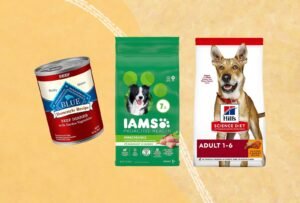
If you are asking what is a good dog food to buy, look for products that meet the Association of American Feed Control Officials (AAFCO) standards for complete and balanced nutrition.
Assessing your dog’s needs
The single most important factor is your dog’s life stage, such as puppy, adult, or senior. A common mistake is buying “all life stages” food for a large-breed puppy; this can cause them to grow too fast, which leads to joint problems later in life. Always match the formula to your specific dog’s age, size, and activity level. If your dog is a working breed, they need more calories than a house pet.
What is a good dog food to buy for your pet
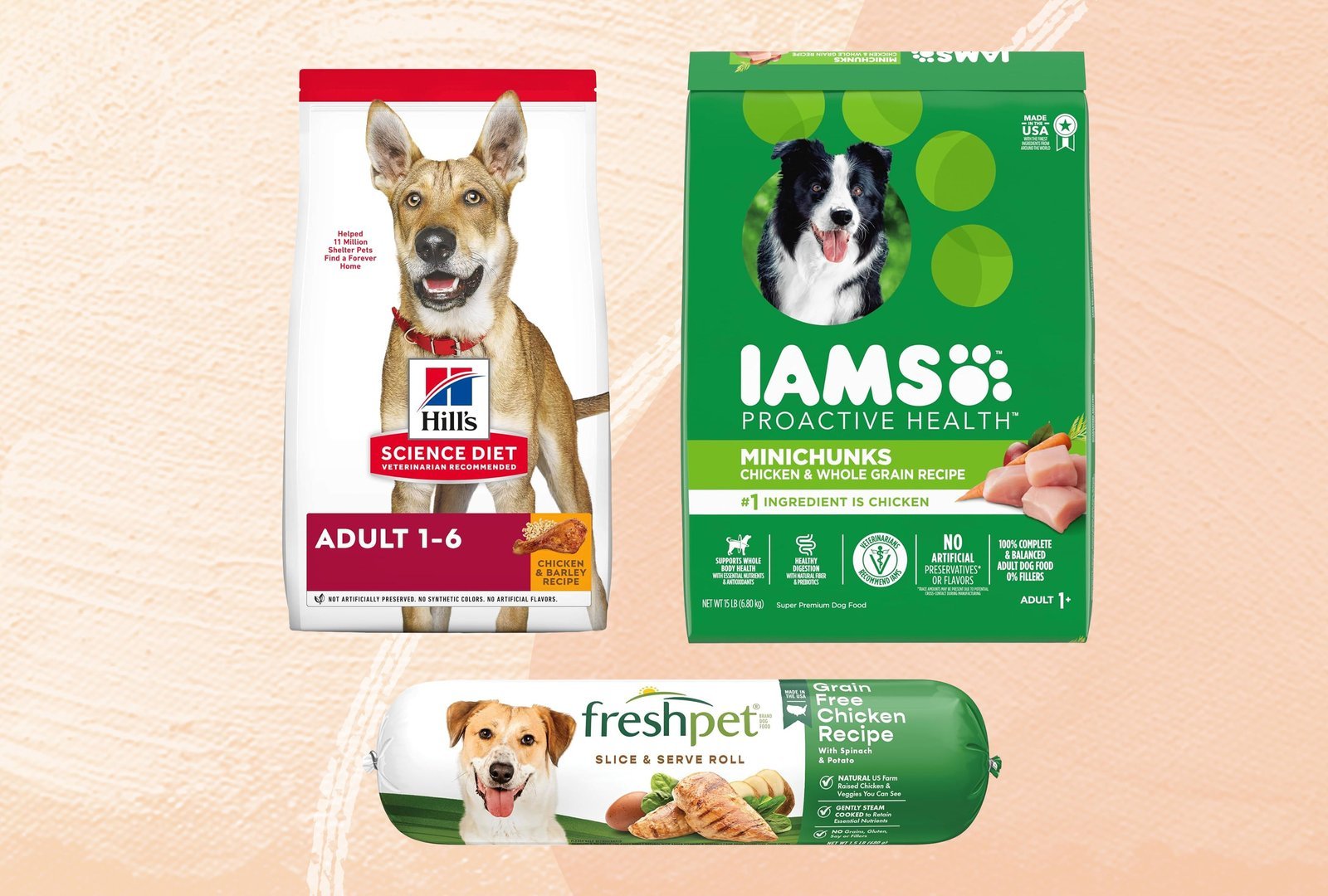
- Look for the AAFCO nutritional adequacy statement on the back of the bag.
- Select a brand that performs AAFCO feeding trials to ensure the nutrients are actually absorbed by the dog.
- Compare the protein source listed as the first ingredient; whole meats like chicken or beef are generally preferred over meat meals for daily feeding.
- Check the serving size on the bag based on your dog’s current weight.
- Transition to the new food slowly over seven days by mixing it with the old food to avoid stomach upset.
Tip: If your dog has a sensitive stomach, introduce the new food by replacing only 25% of the old meal for the first two days.
Tip: Always measure the food using a standard measuring cup rather than guessing; overfeeding is the leading cause of canine obesity.
How long it takes
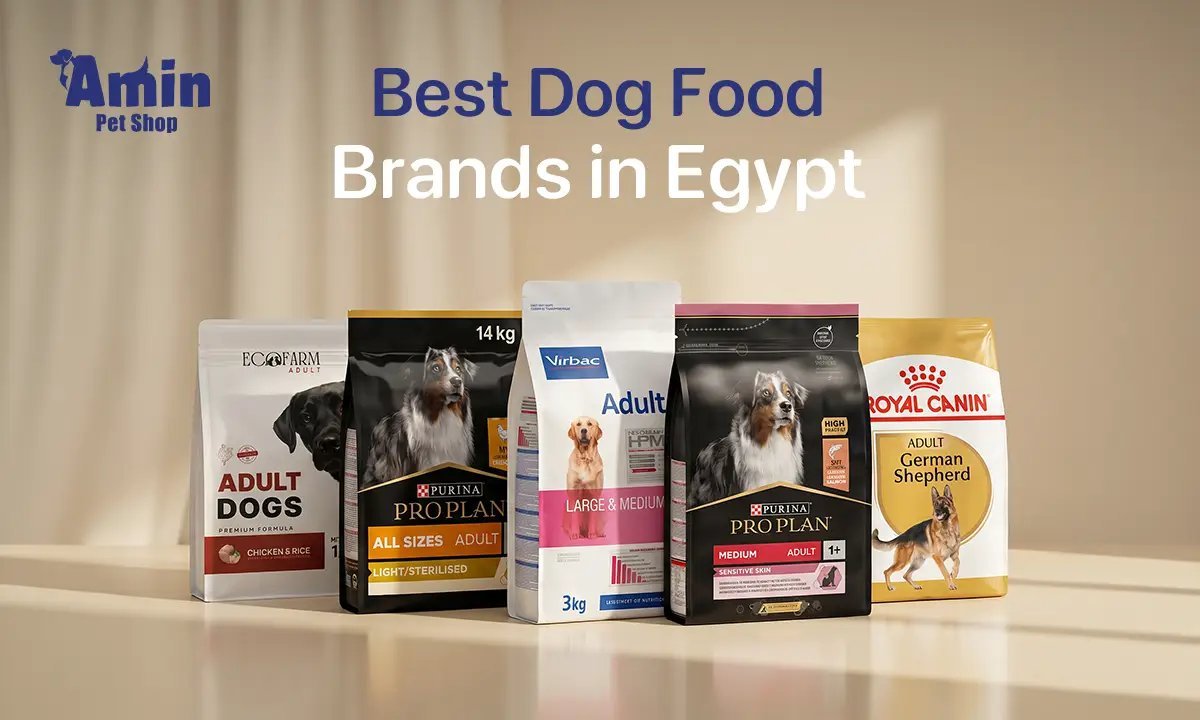
The time it takes to see the benefits of a new diet varies depending on your dog’s health and the quality of the food.
| Situation | How long | What changes it | What to watch for |
|---|---|---|---|
| Transitioning diet | 7-10 days | Dog’s digestive sensitivity | Loose stools or gas |
| Coat health change | 4-8 weeks | Essential fatty acid levels | Shinier or softer fur |
| Weight adjustment | 3-6 months | Calorie intake vs activity | Rib visibility and energy |
If your dog hasn’t adjusted to the new food after two weeks of consistent feeding, consult your veterinarian to rule out underlying food allergies or medical issues.
How to tell when it’s done
You cannot “cook” commercial dog food, but you can judge its quality by observing your dog after they eat. A healthy dog should have firm, consistent stools and a steady energy level throughout the day. Check the skin and coat for dryness or excessive shedding, as these often signal a lack of proper fats or vitamins.
The ultimate test is your dog’s weight. If you can feel the ribs without pressing hard, the food amount is likely correct. If you can’t feel the ribs at all, your dog is overweight; if the ribs are visible or sharp to the touch, increase the portion size.
A common mistake is ignoring sudden changes in stool consistency, which can cost you a week of digestive distress. If the dog refuses the food for more than 24 hours, stop and see a vet. Persistent refusal often indicates an underlying medical issue rather than simple pickiness.
Mistakes that ruin it
- Changing brands too fast: Switching food overnight causes severe digestive distress and vomiting in many dogs. Always use a transition period of at least one week to let the gut flora adapt.
- Ignoring the calorie density: Not all foods have the same energy content, so feeding the same volume of a new, denser food often leads to rapid weight gain. Always adjust the amount based on the calorie count per cup listed on the packaging.
- Adding too many human table scraps: Feeding leftovers adds “hidden” calories that throw off the balanced nutrition of the commercial food. Keep treats to less than 10% of the dog’s total daily caloric intake to ensure they get the nutrients they need from their main meals.
Frequently asked questions
Can I feed my dog human food instead of dog food?
No, it’s difficult to balance the specific vitamins and minerals a dog needs using only human food. Dogs require a precise ratio of calcium, phosphorus, and essential amino acids that are hard to replicate at home without professional guidance from a veterinary nutritionist.
How long does an open bag of dog food stay fresh?
Most dry dog food stays fresh for about four to six weeks after opening if stored in an airtight container. Keeping the food in its original bag inside a sealed bin helps prevent the fats from going rancid, which ruins the flavor and nutritional value.
Is it safe to feed a puppy adult dog food?
No, puppies have higher requirements for protein and specific minerals like calcium to support their rapid bone growth. Feeding adult food to a puppy can result in developmental deficiencies or long-term skeletal issues, so always choose a formula labeled specifically for puppy growth.
What happens if my dog eats expired dog food?
Expired food may lose its nutritional potency or, worse, develop mold or rancid fats that cause vomiting and diarrhea. If you notice the food smells sour or has an oily, off-putting odor, throw it away immediately to prevent foodborne illness.
How often should I change my dog’s food?
You don’t need to change your dog’s food regularly if they’re healthy and enjoy their current diet. If the dog is thriving, has a shiny coat, and maintains a healthy weight, there’s no medical reason to switch brands frequently.
Final Thoughts
Choosing the right bowl filler doesn’t have to be overwhelming. Once you’ve checked the label for those essential standards, it’s a great idea to talk with your veterinarian before making a permanent switch. They’ll help you ensure your furry friend’s new diet is perfectly suited for their specific health needs.