
To ensure your pet stays healthy, provide a balanced diet of commercial dog food that meets the standards set by the Association of American Pet Food Control Officials.
Best food to give your dog
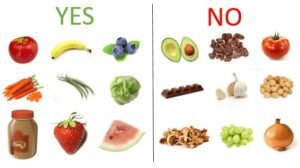
Photo: www.carecredit.com on Google
- Choose kibble or wet food with an AAFCO statement on the label.
- Feed puppies a formula specifically designed for growth until they reach adulthood.
- Measure portions using a standard kitchen scale rather than cups for accuracy.
- Avoid feeding human foods like grapes, onions, chocolate, or xylitol sweeteners.
- Provide constant access to clean, fresh water in a sturdy bowl.
- Consult your veterinarian if your dog has specific health needs or allergies.
Why balanced nutrition matters
Commercial pet food companies create formulas based on specific nutrient profiles. These profiles determine the exact levels of protein, fats, vitamins, and minerals your dog needs to function properly. When you choose a product that carries a statement of nutritional adequacy, you’re buying a product tested to meet these biological requirements.
If you feed a dog a diet that isn’t complete, they may develop deficiencies over time. A common mistake people make is assuming that “natural” or “human-grade” labels mean the food is nutritionally complete. These marketing terms don’t replace the scientific necessity of a balanced nutrient profile. If you decide to prepare homemade meals, you must work with a veterinary nutritionist to calculate the exact ratios of calcium, phosphorus, and essential amino acids. Without these professional calculations, you risk causing long-term harm to your dog’s bone health and organ function. Always check the packaging for the AAFCO adequacy statement before you buy.
When the answer is different
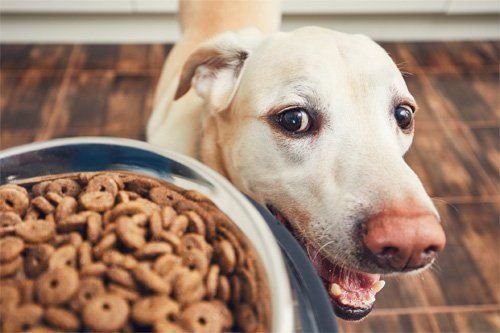
Photo: www.newsweek.com on Google
| Situation | What changes | What to do instead |
|---|---|---|
| Puppy | High caloric needs | Use growth-specific formula |
| Senior | Lower metabolism | Switch to weight management food |
| Allergy | Protein source sensitivity | Use limited-ingredient prescription diets |
| Pregnancy | Increased energy demand | Follow veterinarian-prescribed calorie plan |
| Overweight | Calorie intake limit | Measure exact grams per meal |
How to do it properly
- Check the bag for the AAFCO statement confirming it’s complete and balanced for your dog’s specific life stage.
- Determine your dog’s daily calorie requirement based on their current weight and activity level using your veterinarian’s specific recommendation.
- Weigh the food using a digital kitchen scale to ensure you provide the exact amount required for their daily caloric goal.
- Split the total daily amount into two equal meals to help your dog maintain stable energy levels throughout the entire day.
- Store the food in a cool, dry place inside an airtight container to prevent the fats from going rancid over time.
- Observe your dog’s body condition score regularly; if they gain or lose weight, adjust the daily portion size slightly.
The mistakes that ruin it
Feeding table scraps creates a dangerous calorie surplus. If you must share, subtract the calorie count from their primary meal to maintain balance.
Treats and toppers should never exceed ten percent of a dog’s daily caloric intake.
Transitioning between food brands requires a seven-day schedule. Start by mixing twenty-five percent new food with seventy-five percent old, increasing the new portion daily. Skipping this process may cause gastrointestinal distress.
Bacteria thrive in room-temperature protein, risking expensive emergency veterinary visits.
Frequently asked questions
Can I feed my dog raw meat?
Feeding raw meat carries significant risks of bacterial contamination, such as Salmonella and Listeria, which can affect both the dog and the humans in your home. Most veterinarians advise against raw diets due to these serious food safety and nutritional concerns.
How often should I feed my dog?
Adult dogs generally do best with two meals per day, spaced about 12 hours apart. Puppies under six months of age usually require three to four smaller meals daily to maintain their blood sugar levels and support their rapid growth.
Is grain-free food better?
There’s no scientific evidence that grain-free diets are healthier for the average dog. Unless your veterinarian has diagnosed a specific grain allergy, grains provide essential fiber and nutrients that help support a healthy digestive tract and consistent energy levels.
What should I do if my dog stops eating?
If your dog refuses food for more than 24 hours, you should contact your veterinarian immediately. A sudden loss of appetite is often an early sign of an underlying medical condition that requires professional diagnostic testing to identify and treat safely.
How do I know if my dog is overweight?
You should be able to feel your dog’s ribs easily without pressing hard, and they should have a visible waist when viewed from above. If you can’t feel the ribs, consult your vet to discuss a safe, gradual weight loss plan.
Can dogs eat fruit?
Some fruits like apples are safe in small amounts, but many others are toxic. You must never feed your dog grapes or raisins, as these can cause sudden kidney failure even in very small quantities.
Final Thoughts
When you’re unsure about your pup’s specific nutritional needs, it’s best to consult your local veterinarian. They’ll help you choose the right brand for your dog’s age and activity level. Don’t hesitate to ask them for advice during your next visit; they’re there to make sure your best friend stays happy.
Related guides