
What food should be given to dogs to keep them healthy? A nutritionally complete commercial diet formulated for your pet’s life stage is the best choice. A healthy adult dog needs balanced protein, fats, and fiber, but a puppy or a sick dog needs different ratios.
The short version
- Feed a commercial dry or wet food that carries an official nutritional adequacy statement on the bag.
- Make sure clean water is available all day, changing the bowl at least once every 24 hours.
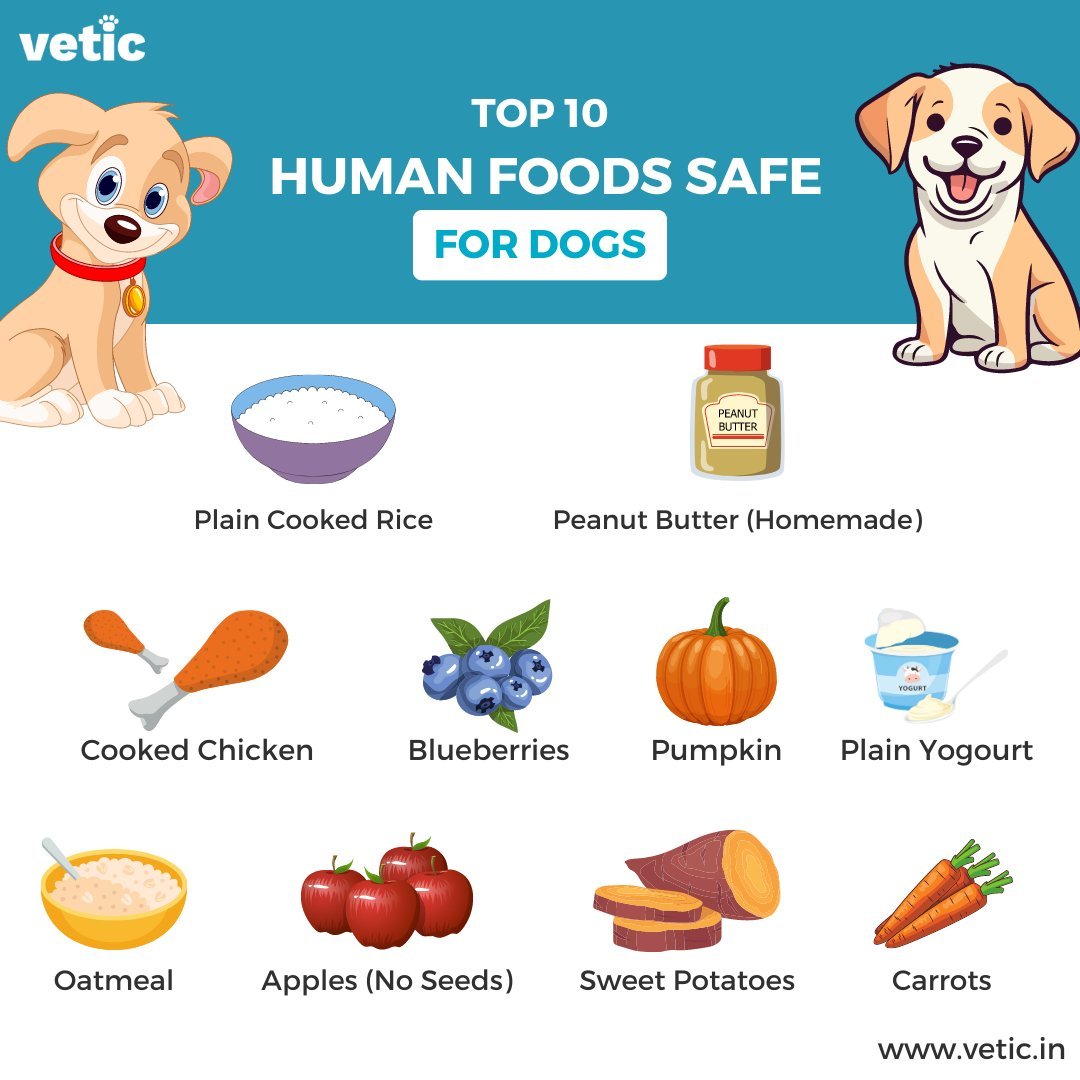
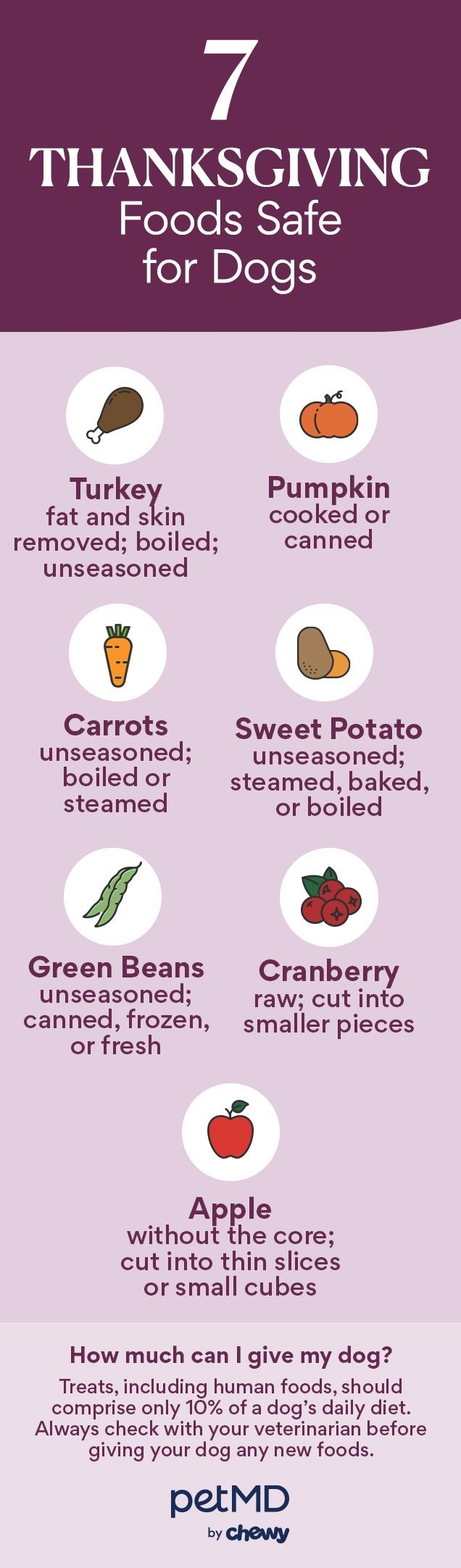
- Keep plain, cooked lean meats and safe vegetables to less than 10% of total daily calories.
- Check the feeding chart on the bag using your dog’s target weight, not their current heavy weight.
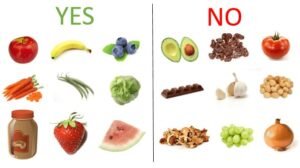
- Never feed toxic kitchen scraps like onions, garlic, grapes, raisins, macadamia nuts, or chocolate.
- If your dog has loose stool for over 24 hours after a meal change, switch back to the original food.
Why canine nutrition requires balance
Dogs are omnivores, not strict carnivores. They need an exact mix of amino acids, fatty acids, vitamins, and minerals that plain meat can’t provide by itself. A diet of pure chicken breast lacks calcium and trace minerals. Over time, that deficit pulls minerals directly from the dog’s skeleton, weakening their bones.
Commercial feeds follow strict nutritional profiles established by the Association of American Feed Control Officials.
Wet food provides extra moisture for kidneys, while dry kibble is cheaper and easier to measure. The trade-off comes down to cost and hydration: canned food spoils within two hours in a bowl, whereas dry kibble stays stable all day.
When the answer is different
Different life stages and health conditions change what your dog can safely digest.
| Situation | What changes | What to do instead |
|---|---|---|
| Puppy under one year | Needs more protein and calcium | Feed dedicated puppy growth food |
| Chronic kidney disease | Can’t process high phosphorus | Use vet-prescribed renal support food |
| Acute pancreatitis | Can’t digest dietary fats | Feed ultra-low-fat gastrointestinal kibble |
| Suspected food allergy | Reacts to common proteins | Use a hydrolyzed protein diet |
| Senior dog with arthritis | Burns fewer daily calories | Switch to lower-calorie senior blend |
| Severe obesity | Excess weight damages joints | Measure reduced-calorie metabolic diet |
How to do it properly
- Check the bag’s label to confirm it matches your dog’s current life stage and size category.
- Weigh your dog on a home scale to find their accurate starting weight in pounds.
- Measure the exact daily portion with an 8-ounce measuring cup instead of guessing with a scoop.
- Divide that total daily portion into two equal meals, spaced roughly 10 to 12 hours apart.
- If changing foods, transition gradually over seven days by mixing increasing amounts of new food with the old.
The mistakes that ruin it
Pouring kibble without a measuring cup causes accidental overfeeding, which leads directly to canine obesity. Even a small surplus of 50 calories daily can lead to significant weight gain over a single year.
Feeding cooked bones from the dinner table splinters inside the gut and causes costly internal punctures. These fragments act like glass shards, often requiring emergency surgery that can be very expensive in veterinary costs.
Switching brands overnight upsets intestinal flora, resulting in severe diarrhea and messy carpet stains. Always transition gradually over seven days by mixing 25% new food with 75% old, increasing the ratio daily.
Giving table scraps as 30% of their intake unbalances the diet and creates a chronically picky eater. If your dog refuses their base meal, stop all treats immediately until they finish their standard kibble.
Frequently asked questions
Can dogs eat a raw meat diet safely?
No, raw meat carries dangerous pathogens like Salmonella and Listeria. These bacteria can sicken your dog and spread to family members. Raw diets also frequently lack the correct calcium-to-phosphorus balance needed for healthy adult canine bones.
Is grain-free kibble healthier for normal dogs?
No, whole grains provide easily digestible energy and essential fiber for healthy digestion. Unless a licensed veterinarian diagnoses a specific grain allergy, standard grains like rice, oats, and barley are completely safe and nutritious for most pets.
How much cooked chicken can I feed my dog?
Keep cooked, skinless chicken under 10% of their total daily caloric intake. If an adult dog eats two cups of kibble daily, replace no more than three tablespoons of kibble with plain, boiled meat to avoid unbalancing their core nutrition.
What happens if my dog eats grapes?
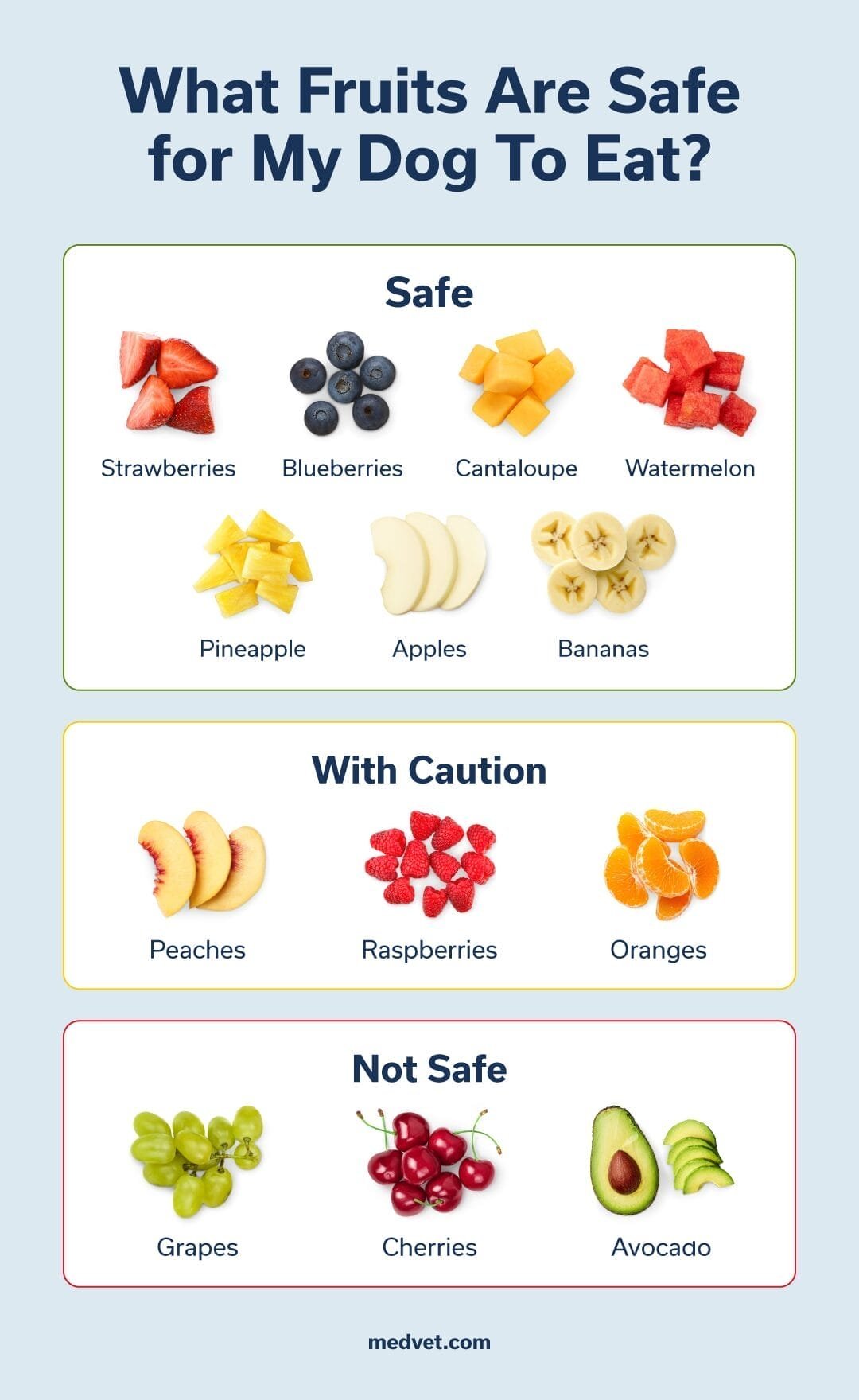
Call your veterinarian immediately because grapes and raisins cause acute, sudden kidney failure in dogs. Even a tiny amount can be fatal depending on your pet’s sensitivity, so never wait for outward symptoms before seeking professional medical help.
Does it matter if I feed wet or dry food?
No, both options provide complete, balanced nutrition if the label states it meets life stage standards. Wet food provides helpful hydration for dogs prone to urinary stones, while dry kibble is more affordable and simpler to store safely.
Is homemade dog food safe to cook?
Yes, but only if formulated by a board-certified veterinary nutritionist. Most internet recipes lack essential trace minerals like zinc and iodine, which slowly leads to severe dietary deficiencies over several months of exclusive home cooking.
Final Thoughts
When you’re choosing your pet’s next meal, don’t hesitate to chat with your veterinarian about the best options for your dog’s specific needs. They’ll help you navigate the labels so you can feel confident about what’s in their bowl. It’s a simple way to ensure your furry friend stays happy and thriving.