
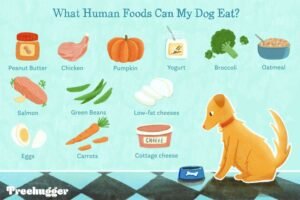
A healthy dog needs a balanced diet consisting of high-quality proteins, healthy fats, and essential vitamins; choosing what food a dog should eat is best answered by selecting commercial kibble or wet food that meets the nutritional standards set by the Association of American Feed Control Officials.
Nutrition and feeding basics
The most important factor in your dog’s health is consistency. A dog’s digestive system is sensitive to sudden changes, so you should always introduce new food gradually over seven to ten days. Mixing a small amount of new food with the old helps prevent stomach upset.
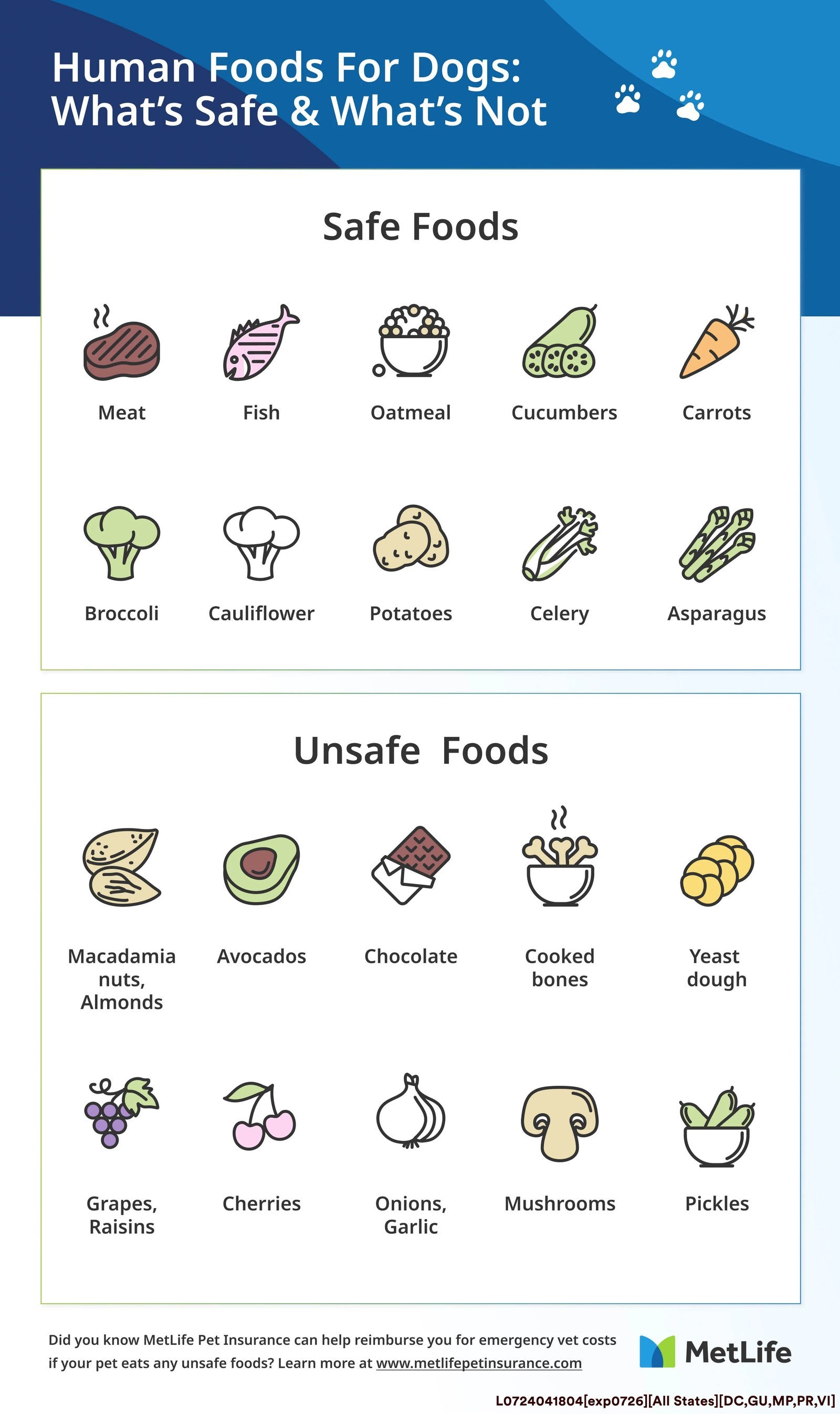
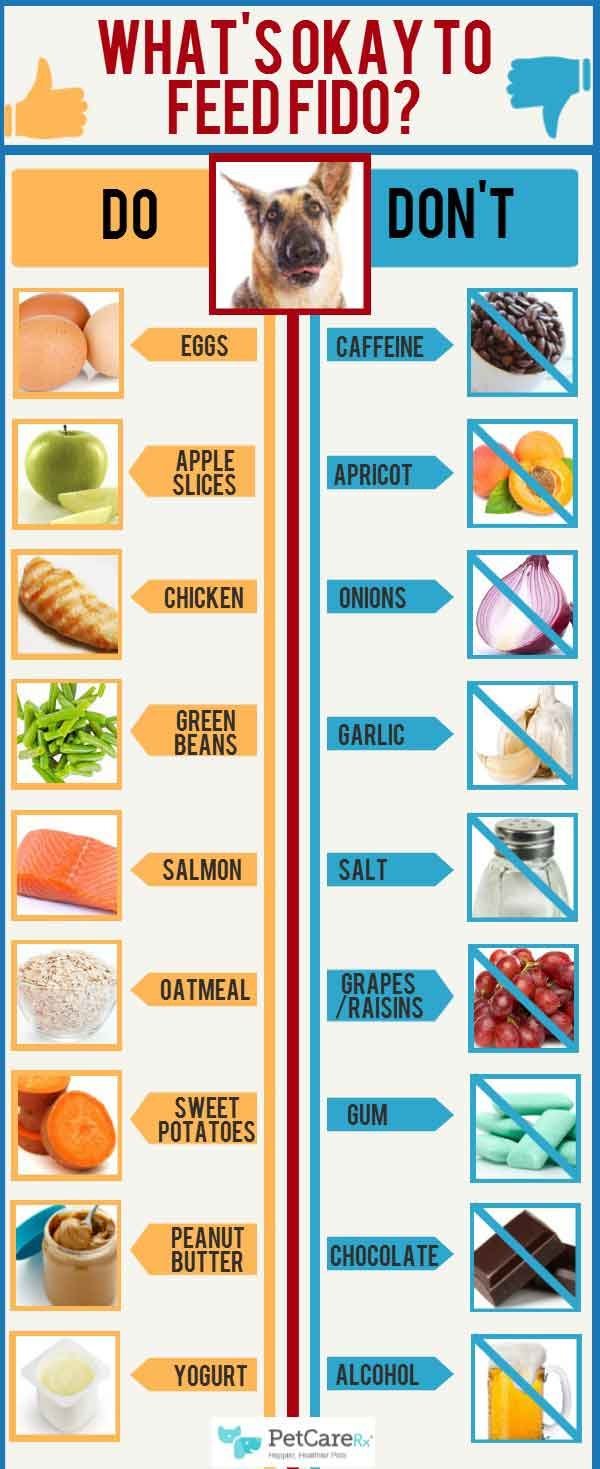
The most common mistake owners make is feeding human leftovers. Table scraps are often too high in fat or contain ingredients like onions, garlic, or xylitol, which are toxic to dogs. Always stick to formulated pet foods to avoid these hidden dangers.
What food should dog eat: Choosing daily meals
Photo: www.thesprucepets.com on Google
- Select a formula designed for your dog’s life stage, such as puppy, adult, or senior, as these have different protein and calorie densities.
- Read the label for a “complete and balanced” statement, which confirms the food meets established nutrient profiles.
- Measure portions using a standard kitchen scale or a measuring cup to prevent obesity, as overfeeding is a common health risk.
- Provide fresh water in a clean bowl at all times, changing it at least twice daily to keep it free from debris.
- Store dry kibble in an airtight container in a cool, dry place to prevent the fats from going rancid. Tip: If your dog is a fast eater, use a slow-feeder bowl to help manage digestion and reduce air intake.
- Consult your veterinarian before adding supplements, as too many vitamins can be just as harmful as too few. Tip: If you notice sudden weight gain or loss, adjust the daily portion size by about 10% and monitor the results for two weeks.
Feeding schedule and portioning
| Dog Size | Daily Meals | Portion Type | Typical Calorie Need |
|---|---|---|---|
| Toy/Small | 2-3 | Small, frequent | 200-400 kcal |
| Medium | 2 | Measured cups | 500-900 kcal |
| Large/Giant | 2 | Measured cups | 1000-1800+ kcal |
If your dog leaves food in the bowl for more than 20 minutes, remove it to prevent overeating and spoilage.
Signs of a healthy diet
You can tell if a dog is thriving by looking at their physical condition. Their coat should be shiny and soft, not dry or brittle. Clear eyes and clean ears are also positive signs. A healthy dog has consistent energy levels throughout the day and maintains a steady weight where you can feel their ribs, but not see them easily. If you notice dull fur, chronic itching, or lethargy, it may mean the food lacks necessary fatty acids or proteins. When in doubt, perform a “body condition score” check; if you can’t feel the ribs at all, reduce the daily portion size slightly.
Mistakes that ruin it
- Feeding raw meat without professional guidance: This creates a high risk of bacterial contamination like Salmonella, which can affect both the dog and your household members.
- Ignoring the “all life stages” label: These foods are often formulated for growing puppies and may lead to rapid weight gain in sedentary adult dogs.
- Treating with human snacks: Calories from treats should never exceed 10% of a dog’s total daily intake to ensure the dog receives adequate nutrition from their balanced meals.
- Changing brands abruptly: This often results in severe diarrhea or vomiting because the dog’s gut bacteria can’t adjust to the new ingredients quickly enough.
Frequently asked questions
Can I feed my dog homemade food?
Yes, you can feed your dog homemade food, but only if a veterinary nutritionist has created a recipe that meets all nutrient requirements. It’s very difficult to balance minerals and vitamins at home, and a lack of planning often leads to serious long-term health issues for the animal.
Is it safe to feed my dog grain-free food?
No, it isn’t always safe, as some research suggests a potential link between grain-free diets and heart issues in certain dog breeds. Unless your veterinarian has diagnosed a specific grain allergy, it’s usually safer to choose a diet that includes high-quality grains like rice or oats.
How long can wet food sit out?
Wet food shouldn’t sit out for more than two hours, as it can become a breeding ground for bacteria. Bacteria grow rapidly in moist environments, and leaving an open can or a bowl of wet food out can lead to food poisoning or stomach distress for your pet.
What happens if I overfeed my dog?
Overfeeding leads to obesity, which increases the risk of joint pain, diabetes, and heart disease. If you see your dog gaining weight, reduce their daily intake by 5% to 10% and increase their daily exercise, but always check with a vet before putting a dog on a strict diet.
How do I know if my dog is allergic to their food?
Common signs of a food allergy include persistent skin itching, ear infections, and digestive issues like gas or diarrhea. If you suspect an allergy, your vet may suggest a limited-ingredient trial to identify the specific protein or additive causing the reaction and help you find a safe alternative.
Final Thoughts
Every dog’s body is unique, so keep a close eye on your pet’s energy levels and coat condition as you introduce new meals. If you’re ever unsure about a specific brand, don’t hesitate to ask your vet for a recommendation. They’ll help you ensure your furry friend stays happy and thriving.