

When asking what food should i be feeding my dog, prioritize a complete, balanced commercial diet labeled for your pet’s specific life stage. The right choice depends on their age, activity level, and any diagnosed health conditions.
The short version
- Select products that meet the AAFCO nutrient profiles to ensure they provide all essential vitamins and minerals.
- Puppies require higher protein and fat levels compared to adult dogs to support their rapid growth and development.
- Senior dogs often need fewer calories to maintain a healthy weight due to lower metabolism and reduced daily activity.
- Always transition to a new food slowly over 7 to 10 days by mixing increasing amounts of new food with the old.
- Fresh, clean water must be available at all times to help with digestion and maintain proper hydration levels.
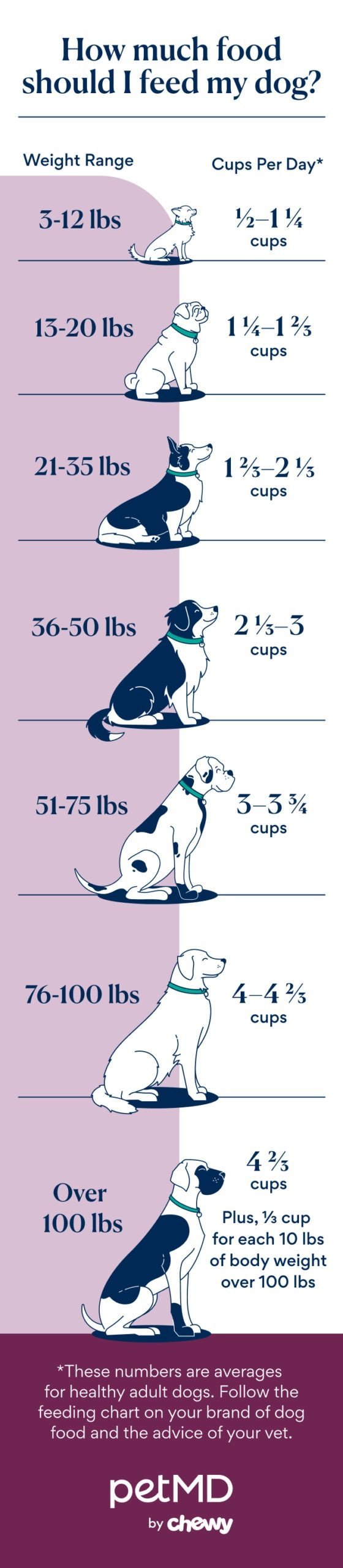
- Check the back of the package for specific feeding guidelines based on your dog’s current body weight.
Why proper nutrition matters for dogs
Nutrition provides the building blocks for every biological process in your dog’s body, from immune function to muscle repair. A diet that is “complete and balanced” means it contains every nutrient a dog needs in the correct proportions, removing the need for extra supplements. You can verify this by checking the nutritional adequacy statement on the product label. This statement confirms the food has been tested or formulated to meet the standards set by the Association of American Feed Control Officials.
When you choose a food not formulated for your dog’s life stage, you risk nutrient gaps or excesses. For example, a puppy fed adult food may not get enough calcium for bone growth, while an adult dog fed puppy food might gain excess weight. This varies by life stage — check the label for “puppy,” “adult,” or “all life stages.” If you have questions about specific dietary needs, always consult your veterinarian before changing your dog’s meal plan.
When the answer is different
| Situation | What changes | What to do instead |
|---|---|---|
| Food allergies | Protein or grain source | Ask vet for trial diet |
| Obesity | Calorie intake | Reduce portions by 10% |
| High activity | Energy density | Increase fat and protein |
| Sensitive stomach | Fiber content | Use limited ingredient food |
| Small breeds | Kibble size | Buy small-bite formulas |
How to do it properly
- Identify your dog’s life stage, such as puppy, adult, or senior, to choose the correct nutritional profile for their current development.
- Weigh your dog accurately using a pet scale or your home scale to determine the correct portion size for their weight.
- Measure the food using a standard measuring cup, never estimating by eye, to ensure you provide the exact amount required daily.
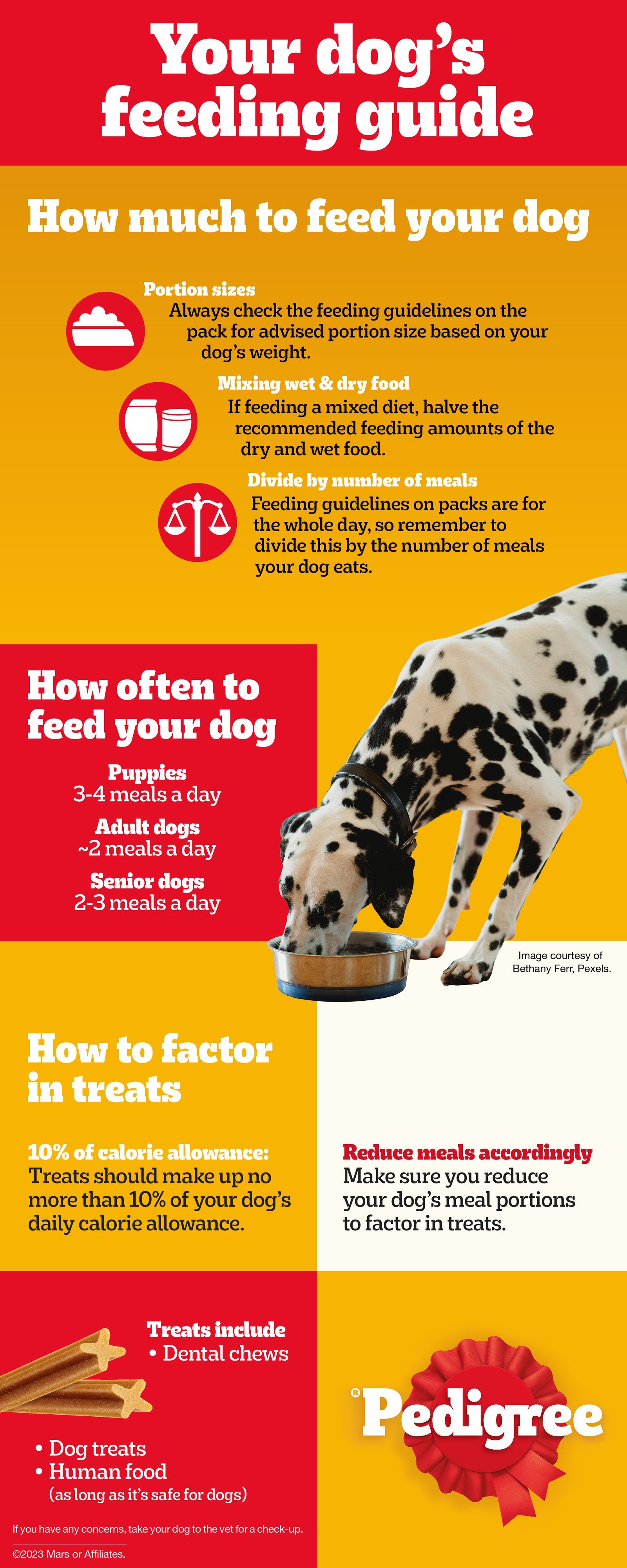
- Divide the total daily amount into meals as recommended by your veterinarian or the product packaging.
- Mix 25% of the new food with 75% of the old food for the first three days to prevent digestive upset.
- Increase the new food ratio by 25% every two to three days until you’re feeding only the new, high-quality dog food.
The mistakes that ruin it
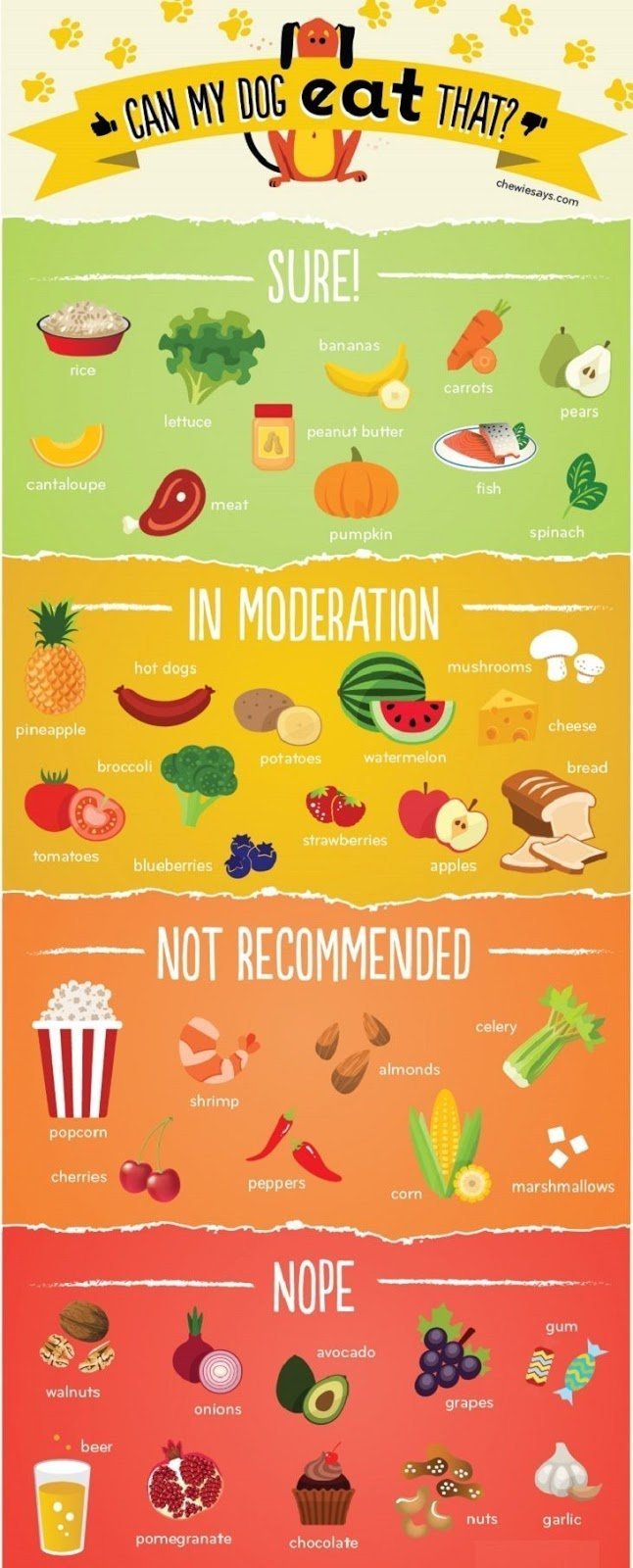
- Feeding table scraps often leads to obesity and can introduce toxic ingredients like onions, garlic, or xylitol into their diet.
- Ignoring the feeding guide on the bag causes significant weight gain, which puts extra stress on your dog’s joints and heart.
- Switching brands suddenly without a transition period frequently results in vomiting, diarrhea, or a complete loss of appetite.
- Adding too many treats throughout the day destroys the nutritional balance of their main meals, leading to long-term health issues.
Frequently asked questions
Can I feed my dog human food?
No, you shouldn’t rely on human food for your dog’s primary diet. Many human foods are unsafe, and it’s difficult to balance nutrients at home, which often leads to dangerous deficiencies or excesses over time.
How long does it take to switch food?
It takes about 7 to 10 days to switch food safely. This gradual process allows your dog’s digestive system to adjust to the new ingredients, which helps prevent the common issue of an upset stomach or diarrhea.
Is it safe to feed a puppy adult food?
No, it isn’t safe because puppies require specific levels of nutrients like calcium and phosphorus for growth. Adult food lacks the density of these elements, which can lead to developmental problems in young, growing dogs.
What happens if I feed my dog too much?
Feeding too much leads to obesity, which is a major health risk. Excess weight causes joint pain, diabetes, and heart disease, effectively shortening your dog’s life and reducing their daily quality of life and energy levels.
Does it matter if the food is wet or dry?
It doesn’t matter for nutrition if the food is complete and balanced. Both types provide the necessary nutrients, but dry food may help reduce tartar buildup, while wet food provides more water content for hydration.
How do I know if the food is good?
Look for a statement on the label that the food is formulated for your dog’s life stage. This is the most reliable way to know the food is designed to keep your dog healthy.
Final Thoughts
If you’re still feeling uncertain about the best choice, don’t hesitate to reach out to your veterinarian. They’ll help you navigate the options based on your dog’s unique needs. You’ll feel much better once you’ve got a solid plan in place, and your pup will definitely thank you for it.