

Deciding what food to feed my dog depends on their life stage, activity level, and health needs rather than marketing trends, so you should provide a balanced diet that meets AAFCO nutritional standards.
Why it works / what to know first
Dogs are omnivores that need specific ratios of protein, fats, and essential minerals to maintain organ health. A common mistake is feeding based on popularity or packaging design instead of reading the nutritional adequacy statement on the back of the bag.
If your dog has a known health condition like kidney disease or diabetes, consult your vet before changing their diet. If your dog is healthy, you can safely switch brands by mixing the new food with the old one over a week.
What food to feed my dog: Top picks
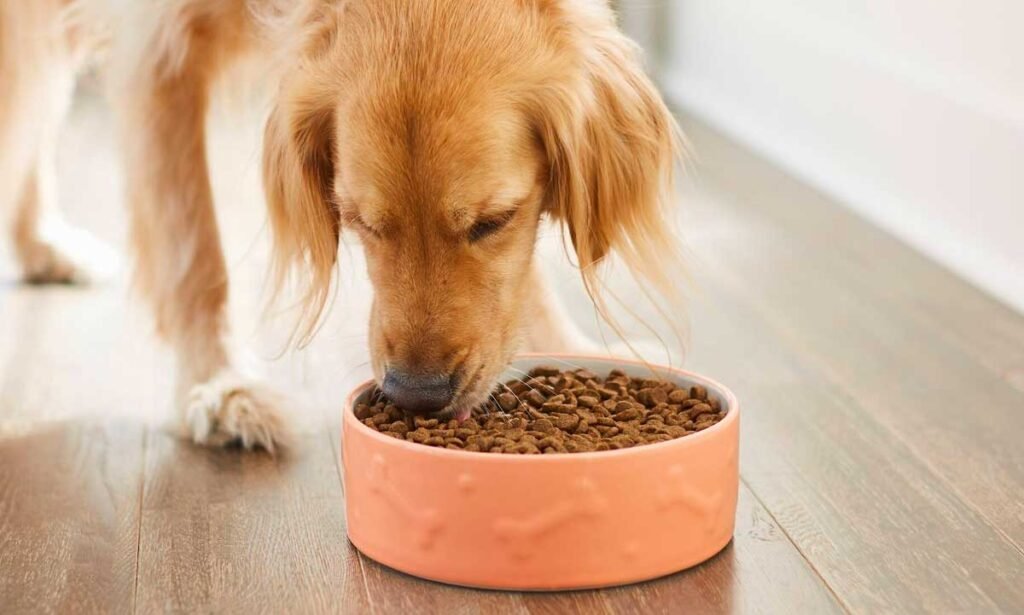
- Check the label for a statement confirming the food meets AAFCO nutrient profiles for your dog’s specific life stage, such as “growth,” “adult maintenance,” or “all life stages.”
- Choose a primary protein source listed as the first ingredient, such as chicken, beef, or fish, as identified by the FDA’s guidance on pet food labeling.
- Transition your dog to the new food by slowly increasing the new portion while decreasing the old one over seven days to prevent digestive upset.
- Measure the daily intake using a standard measuring cup rather than estimating, as overfeeding is a leading cause of canine obesity. Tip: If you notice your dog leaving food in the bowl, you’re likely overfeeding; reduce the portion by ten percent at the next meal.
- Provide fresh, clean water at all times to aid digestion and keep your dog hydrated. Tip: If your dog experiences vomiting or diarrhea during a switch, return to the previous food and wait for their stomach to settle before trying again.
How long it takes
The time required to transition a dog to a new food depends on their sensitivity to dietary changes.
| Situation | How long | What changes it | What to watch for |
|---|---|---|---|
| Normal adult dog | 7 days | Sensitivity levels | Loose stools |
| Sensitive stomach | 10–14 days | Previous illness | Vomiting |
If your dog shows signs of distress after two weeks, consult a veterinarian immediately.
How to tell when it’s done
You can’t measure “doneness” for dry kibble, but you can monitor the dog’s physical condition as a metric of success. A healthy dog should have a shiny coat, firm stools, and consistent energy levels throughout the day. If the animal maintains a consistent weight and shows no signs of bloating or excessive gas, the food is appropriate. When the dog’s ribcage is palpable but not visible, the portion size is correct. If the dog refuses to eat or loses interest in food, this is a clear sign that the current diet or brand isn’t a good fit.
Mistakes that ruin it
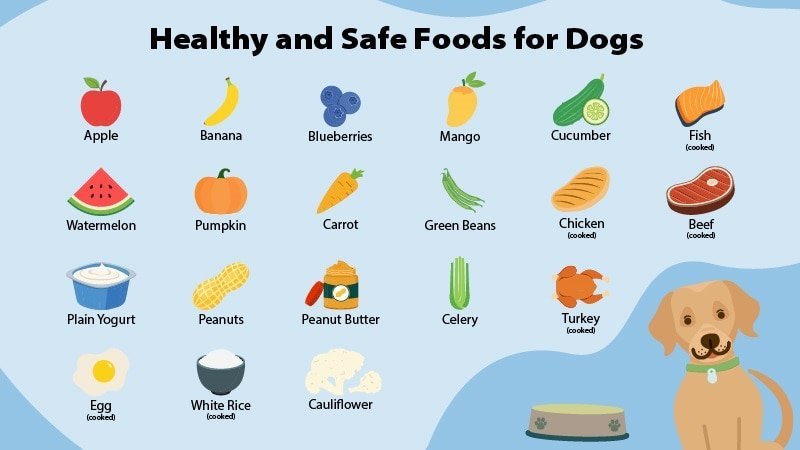
- Feeding table scraps: Human food is often too high in fat or contains ingredients like onions and garlic that are toxic to dogs, which leads to pancreatitis or poisoning. Stick to dog-specific nutrition to ensure safety.
- Ignoring calorie density: Many owners assume all kibble is equal, but a high-calorie puppy food given to a sedentary adult dog will cause rapid weight gain. Always adjust portions based on the calorie count per cup.
- Rapid diet changes: Switching brands overnight causes severe gastric distress and potential dehydration. Always follow a gradual transition to allow the digestive system to adjust.
- Adding too many treats: Treats should never account for more than ten percent of your dog’s daily caloric intake. If you give high-reward snacks, subtract that amount from their main meal to avoid obesity.
Frequently asked questions
Can I feed my dog human food?
No, you shouldn’t rely on human food as a primary diet because it rarely meets a dog’s specific nutritional requirements. While small amounts of plain, cooked vegetables or lean meat are safe as occasional treats, human food often contains hidden fats, salts, and spices that are harmful.
How long does it take for a dog to get used to new food?
It usually takes seven days to fully transition a dog to a new diet. This gradual process allows the digestive system to adapt to the new protein and fiber sources, which helps prevent diarrhea or stomach upset that occurs when a dog is switched to a different brand too quickly.
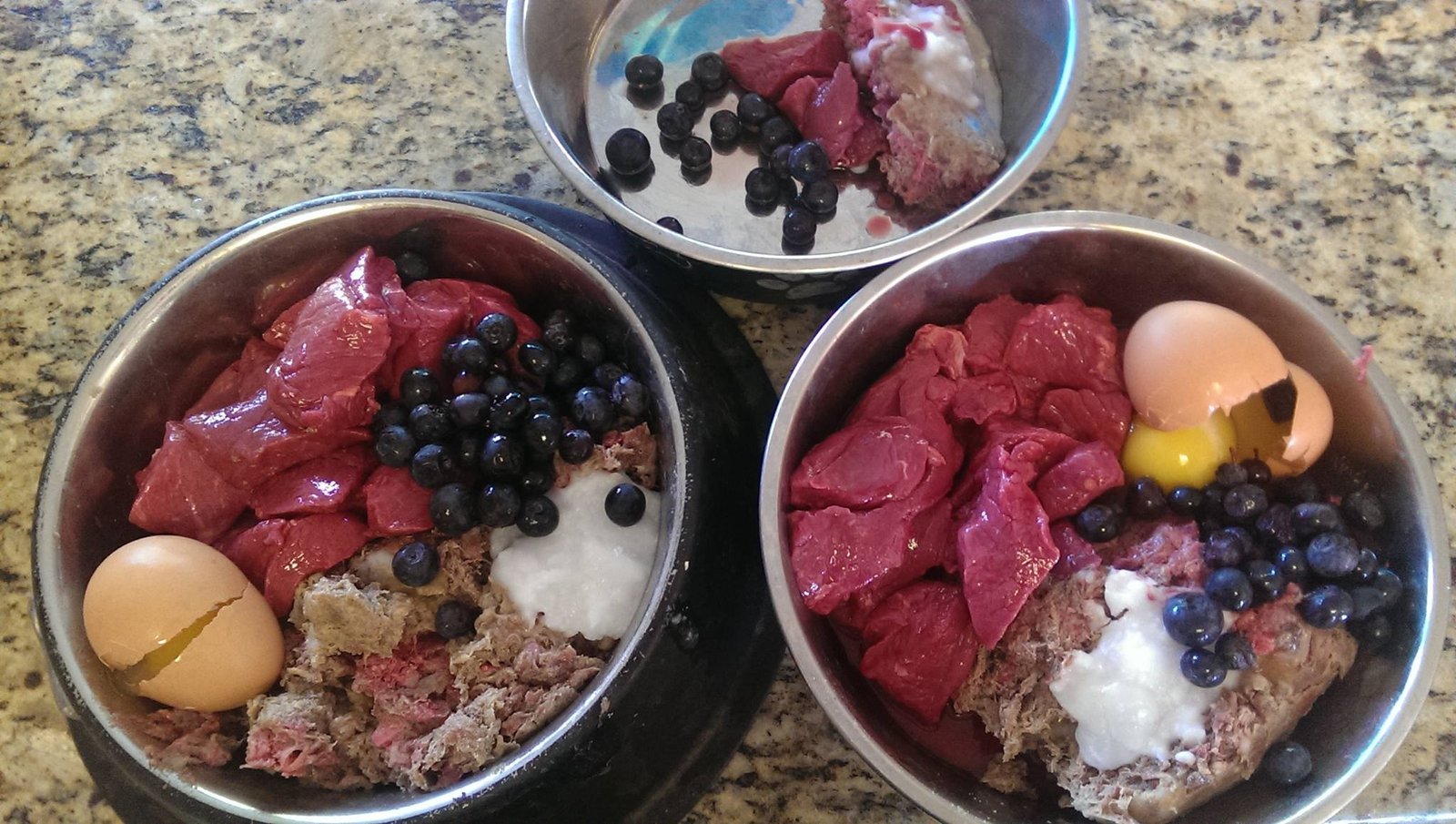
Is it safe to feed my dog raw food?
No, feeding raw food carries significant risks of bacterial contamination, such as Salmonella and Listeria, which can affect both the dog and the human household. Most veterinarians recommend commercially prepared, cooked diets that have been formulated to meet strict nutritional and safety standards for the animal.
What happens if I feed my dog too much?
Feeding your dog too much leads to obesity, which puts extra stress on their joints, heart, and lungs. Over time, this excess weight significantly reduces a dog’s lifespan and quality of life. Always use a measuring cup to follow the feeding guidelines printed on the specific brand’s label.
How can I tell if my dog has a food allergy?
Signs of a food allergy include chronic ear infections, itchy skin, or recurring digestive issues like vomiting and diarrhea. If you notice these symptoms, talk to your vet about an elimination diet to identify the specific ingredient causing the reaction, as this is the only reliable way to confirm.
Final Thoughts
Ultimately, your dog’s health is a journey you’re taking together. Watch how they respond to their meals and don’t be afraid to adjust things if they seem sluggish or lose their appetite. If you’re still feeling uncertain, schedule a quick chat with your vet to tailor a plan that’s just right.