
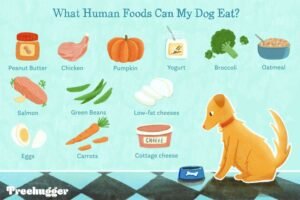
If you are wondering what can i feed my dog everyday, you can safely include lean proteins, cooked vegetables, and specific grains. This assumes you use whole, unseasoned foods; for commercial diets, follow the package feeding guidelines exactly.
What can I feed my dog everyday
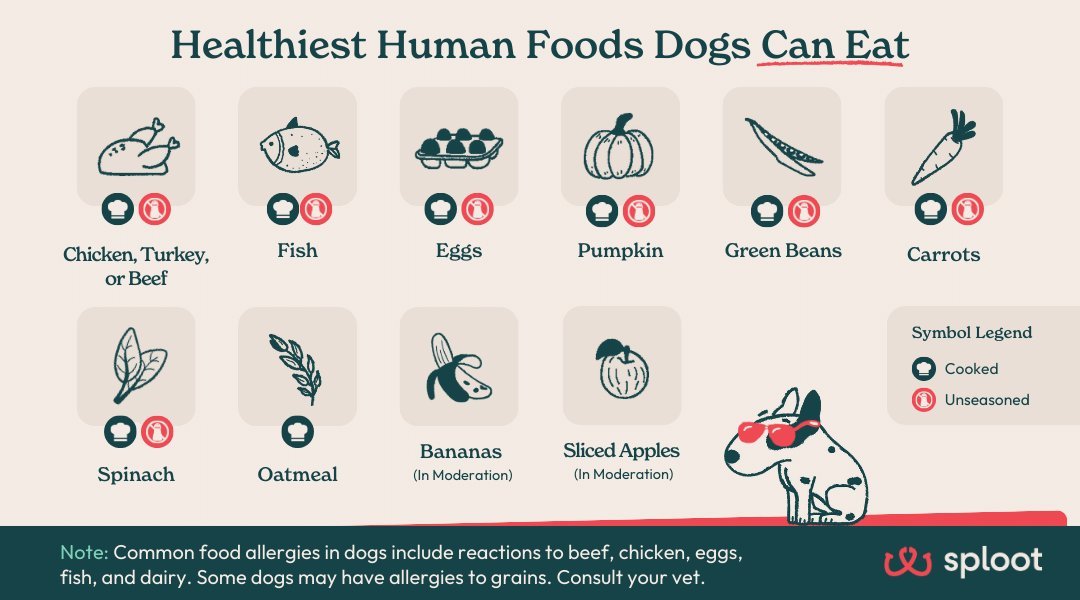
Serve lean proteins like boiled chicken breast or ground turkey without skin or bones. These options provide necessary amino acids without the excess fat that triggers canine pancreatitis.
Add cooked, plain vegetables such as carrots, green beans, or steamed broccoli pieces. These offer essential vitamins, but avoid adding salt, butter, or oil during preparation.
Mix in small portions of cooked brown rice or oatmeal for healthy fiber intake. Use a ratio of one part grain to three parts protein to maintain proper nutrient balance.
Limit treats to less than 10% of your dog’s total daily calorie intake. Exceeding this threshold often leads to nutritional deficiencies or obesity over time.
Check the AVMA nutritional guidelines to confirm your dog’s specific life-stage requirements. Puppies and seniors have vastly different metabolic needs than healthy adults.
Avoid adding onions, garlic, grapes, raisins, or chocolate, as these are toxic to dogs.
Why balanced nutrition matters for dogs
Feeding dogs a consistent, species-appropriate diet prevents common health issues and maintains their energy levels throughout the day. Dogs are omnivores, but they have specific requirements for protein, fats, and minerals that differ from human nutritional needs. If you choose to home-cook meals, you must ensure the ratio of calcium to phosphorus is correct, as an imbalance can lead to long-term skeletal problems. This varies by model — check the label on any commercial supplement you add to ensure it provides complete nutrition. If your dog is highly active, they will need a higher caloric density than a senior or sedentary dog. You should track your dog’s weight monthly; if they’re gaining weight, reduce the portion size of grains and increase the volume of low-calorie vegetables. Always introduce new ingredients slowly over one week to monitor for digestive upset or skin reactions.
When the answer is different
| Situation | What changes | What to do instead |
|---|---|---|
| Puppy growth | Calorie needs | Feed puppy-specific formulas |
| Food allergies | Protein source | Use novel proteins like duck |
| Kidney disease | Phosphorus levels | Consult your local veterinarian |
| Senior dogs | Metabolic rate | Lower daily calorie intake |
| High activity | Energy output | Increase fat and protein |
The primary mistake owners make is assuming a “maintenance” diet suits every life stage. This oversight often leads to obesity in seniors or stunted development in growing pups.
You can determine your dog’s category by monitoring their body condition score. If you can easily feel their ribs but not see them, they’re likely at a healthy weight. If the ribs are invisible under a layer of fat, switch to a lower-calorie senior formula immediately.
For high-activity dogs, monitor their energy levels during exercise. If your dog tires before the session ends, increase their fat intake by five percent. If they finish with excess energy, maintain current levels. Always consult your veterinarian before making these dietary shifts, as underlying health issues can mimic these common life-stage requirements.
How to do it properly
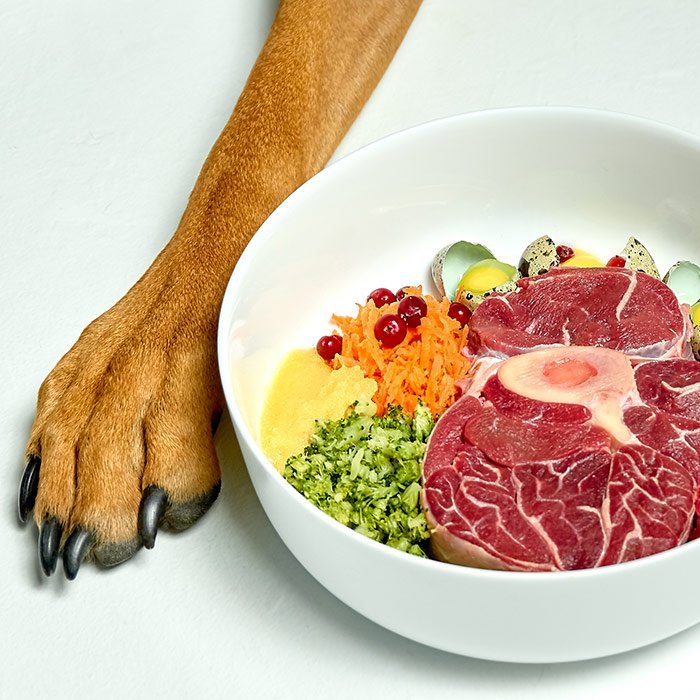
Select a high-quality protein source, such as chicken breast, and boil it in water without any salt, oil, or spices added. Boiling preserves moisture, which is vital for digestion.
Chop the cooked protein into small pieces. Match the cube size to your dog’s jaw; for a toy breed, aim for half-inch pieces, while larger dogs can handle one-inch chunks to prevent choking.
Steam vegetables like green beans until soft. Use exactly 1/4 cup for every 10 pounds of your dog’s body weight per meal. Don’t use onions or garlic, as these contain thiosulfate, which is toxic to dogs.
Cook grains like white or brown rice until very soft. Use 1/2 cup for an average-sized adult dog per daily serving. If your dog is highly active, you may increase this slightly, but watch for weight gain.
Combine the ingredients in a clean bowl. Ensure the protein makes up 50% of the total volume.
Monitor your dog’s stool consistency. If it becomes too soft, reduce the fiber or grains by 10% in the next meal. If the stool remains loose for over 48 hours, consult your veterinarian.
The mistakes that ruin it
Adding seasonings like garlic or onion powder often causes oxidative damage to red blood cells, leading to severe anemia in dogs. You must avoid these even in trace amounts found in pre-packaged sauces.
Feeding cooked bones is a fatal error. Unlike raw bones, cooking makes them brittle, causing them to splinter into shards that puncture the digestive tract or create life-threatening blockages.
Replacing a full meal with leftovers creates long-term nutritional deficiencies. If your dog consumes more than 10% of their daily calories from scraps, their diet becomes unbalanced.
Giving grapes or raisins triggers sudden kidney failure. Even a single grape can be toxic for a small dog. If your pet consumes any, induce vomiting immediately and seek emergency veterinary care within two hours.