
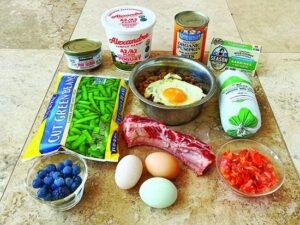
If you are wondering what are the best things to feed your dog, high-quality commercial food offers the most reliable complete nutrition. These formulas provide the precise balance of amino acids, vitamins, and minerals required for long-term health.
However, you must match the diet to your dog’s specific life stage. Feeding a standard adult maintenance formula to a growing puppy or a high-energy working breed often leads to developmental deficiencies or dangerous weight loss.
If your dog is a senior, look for labels specifying lower caloric density to prevent obesity. If you can’t find a clear life-stage designation, consult your veterinarian immediately.
The short version
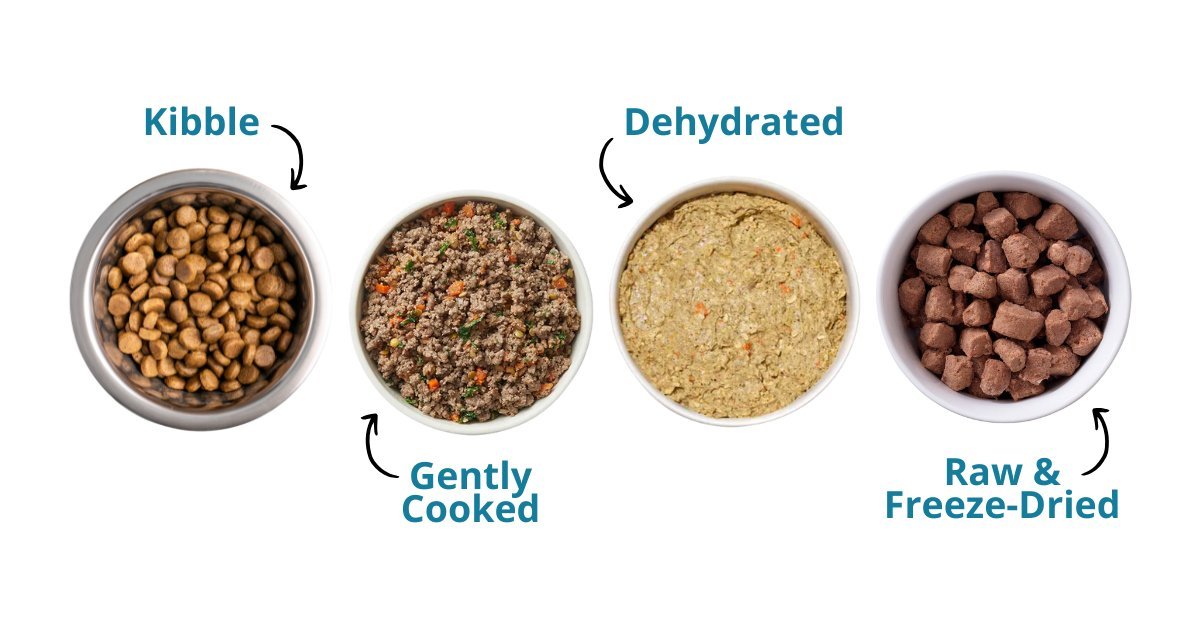
- Choose food labeled for your dog’s specific life stage: puppy, adult, or senior.
- Check the back of the bag for a statement of nutritional adequacy from AAFCO.
- Limit treats to ten percent or less of the dog’s total daily calorie intake.
- Measure portions using a standard kitchen scale rather than a cup for accuracy.
- Ensure constant access to fresh, clean water in a non-porous bowl.
- Consult your veterinarian before adding supplements or changing to a raw food diet.
Why balanced nutrition matters for dogs
Dogs require a precise balance of proteins, fats, carbohydrates, vitamins, and minerals to maintain organ function and coat health. The Association of American Feed Control Officials establishes the nutrient profiles that manufacturers must follow to ensure a product is nutritionally complete. When a bag bears this statement, it means the food provides everything a dog needs without the risk of dangerous imbalances. Feeding a “complete and balanced” diet avoids the common mistake of guessing nutrient ratios, which can lead to deficiencies or toxicity over time. If you choose to mix in human foods, you must ensure they don’t exceed the ten percent threshold, as this dilutes the essential vitamins and minerals found in the primary meal. The biological mechanism is simple: dogs are omnivores that thrive on predictable, stable nutrient delivery. Always check the manufacturer’s feeding guide on the label, as caloric density varies significantly between dry kibble and canned wet food.
When the answer is different
| Situation | What changes | What to do instead |
|---|---|---|
| Sensitive stomach | Protein source | Use limited ingredient diets |
| Growing puppy | Nutrient density | Feed puppy-specific formulas |
| Senior dog | Calorie count | Reduce intake to prevent obesity |
| Food allergies | Ingredient list | Avoid common triggers like soy |
| High activity | Energy needs | Increase portions per vet advice |
Most owners fail by treating these categories as static. A puppy needs high-density fuel until it reaches 80% of its adult weight, usually around twelve months. Switching too early stunts bone development.
If your dog has a sensitive stomach, look for a single-protein source like duck or rabbit. Avoid “mystery” meat meals that mix multiple proteins, as these make identifying the specific allergen impossible.
For senior dogs, metabolic rates often drop by 20%. If your dog begins gaining weight, don’t simply cut the volume of food. This risks nutrient deficiencies. Instead, switch to a senior-specific formula that maintains protein levels while lowering fat content.
Finally, if your dog is highly active, monitor their rib cage. If you can see the ribs, increase their daily caloric intake by 10% increments until they maintain a healthy, lean weight.
How to do it properly

- Read the label to find the life stage category, ensuring it matches your dog’s current age, weight, and overall health status.
- Calculate the daily calorie requirement based on your dog’s weight and activity level, using the guide printed on the food packaging.
- Weigh the food using a digital kitchen scale to provide the exact gram amount required, as scoops often vary by density.
- Divide the total daily grams into two equal meals, feeding one in the morning and one in the evening for digestion.
- Monitor your dog’s body condition score regularly; if you feel ribs easily, increase the portion slightly by five percent.
- Transition to new food slowly over seven days, mixing in ten percent more of the new food each day while decreasing the old.
The mistakes that ruin it
Feeding by volume instead of weight leads to chronic overfeeding because kibble size and density vary wildly between brands. Using a standard measuring cup can result in a 20% caloric surplus, which quickly leads to obesity. Always use a digital kitchen scale to hit your target gram weight.
Adding table scraps creates nutritional imbalances that encourage picky eating. If your dog refuses their primary, balanced meal, they’re holding out for human food. Stop all toppers immediately; if they skip two meals, they will return to their kibble.
Switching brands abruptly triggers gastrointestinal distress. Instead, use a seven-day transition rule: mix 25% new food with 75% old for two days, then move to a 50/50 split.
Finally, ignore the “best by” date at your own peril. Rancid fats turn toxic, causing vomiting or refusal to eat.