
Commercial pet foods are balanced to meet specific nutritional profiles, and dog food contains a mix of proteins, fats, carbohydrates, vitamins, and minerals that provide complete sustenance.
The basic ingredients
-
Proteins: These come from sources like chicken, beef, lamb, or fish to support muscle growth and tissue repair. Aim for a diet where the first ingredient is a named meat meal rather than a generic “meat byproduct,” as meals provide a higher concentration of amino acids per pound.
-
Fats: Chicken fat, fish oil, or vegetable oils provide essential fatty acids for healthy skin and energy. If your pet suffers from chronic dry skin, prioritize formulas containing fish oil over vegetable oils, as the omega-3 fatty acids in fish are superior for reducing systemic inflammation.
-
Carbohydrates: Grains like corn, rice, or barley and vegetables like peas or sweet potatoes offer quick energy and fiber. Avoid formulas where carbohydrates outweigh proteins, as excess starch often leads to weight gain and lethargy in indoor pets.
-
Vitamins and Minerals: These are added as a premix to ensure the food meets the standards for daily health.
-
Additives: Some foods include preservatives to keep the product fresh. If you buy in bulk, check for natural preservatives like tocopherols, which expire faster than synthetic options but avoid the potential long-term health risks associated with chemical stabilizers.
Why nutrition standards matter
The regulation of pet food ensures that every bag or can provides a consistent level of nutrients, which is why commercial diets are engineered for reliability. Most manufacturers base their recipes on the nutrient profiles established by the AAFCO Dog Food Nutrient Profiles, which provide the minimum and maximum levels for every essential nutrient.
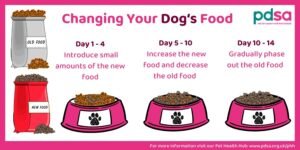
If you look at a label, you’ll see a guaranteed analysis that lists the minimum crude protein and fat, and the maximum crude fiber and moisture. These percentages aren’t guesses; they represent the specific chemical composition of that batch. If you switch your dog to a new brand, you should do it slowly over seven days by mixing the old food with the new one. This prevents digestive upset.
The ingredients list is always in descending order by weight. This means the first item is the most abundant. However, this varies by model — check the label on your specific bag because “meat” and “meat meal” are weighed differently before and after processing. If a product lists “chicken” first, that weight includes the water content. If it lists “chicken meal,” the water is already removed, meaning there’s actually more protein density in the meal version. This is a common trade-off between ingredient marketing and actual nutrient density.
A common mistake is assuming that a longer ingredient list implies higher quality. In reality, a shorter list often indicates a more focused nutritional profile. When you see a long list of exotic additives, check the guaranteed analysis to see if they actually contribute to the protein or fat percentages. If they appear after the salt or vitamins, they’re present in negligible amounts.
Use this decision rule: if the first three ingredients are whole meats with high water content, expect a lower total protein density than a product where the first ingredient is a meat meal. If your pet has a sensitive stomach, prioritize consistency in the guaranteed analysis over the marketing claims on the front of the bag.
When the answer is different

| Situation | What changes | What to do instead |
|---|---|---|
| Puppy food | Needs more calcium | Buy food labeled for growth |
| Senior dogs | Lower calorie density | Select weight management formulas |
| Allergies | Specific protein source | Use limited ingredient diets |
| Working dogs | Higher fat content | Choose high-performance energy food |
| Grain-free | Carbohydrate source | Check for legume content |
The standard advice assumes a sedentary adult dog, but your pet’s metabolic needs shift based on life stage and activity. If you feed a puppy an adult-maintenance formula, you risk skeletal developmental issues because the calcium-to-phosphorus ratio is insufficient for rapid bone growth. Always verify the AAFCO statement on the bag to ensure it’s formulated for “growth” or “all life stages.”
For senior dogs, the primary mistake is ignoring caloric density. Owners often stick to the same brand out of habit, leading to obesity as metabolism slows. If your dog shows a body condition score above five out of nine, switch to a senior-specific diet that prioritizes fiber over fat.
When managing allergies, don’t rely on “hypoallergenic” marketing claims. True relief comes from a hydrolyzed protein diet where molecules are broken down too small for the immune system to recognize. If your dog still scratches after six weeks, the issue is likely environmental rather than dietary.
Finally, if your dog works or trains for more than two hours daily, they require a high-fat, high-protein blend. Standard kibble lacks the sustained energy density needed to prevent muscle wasting during intense physical exertion.
How to do it properly

Read the “Guaranteed Analysis” panel on the back of the bag to confirm protein and fat levels match your dog’s activity. High-performance dogs require at least 25% protein, while sedentary seniors thrive on 18% to avoid unnecessary weight gain.
Check the “Statement of Nutritional Adequacy” for the life stage. If the label says “for intermittent or supplemental feeding,” it isn’t a complete meal and will cause nutrient deficiencies if fed long-term.
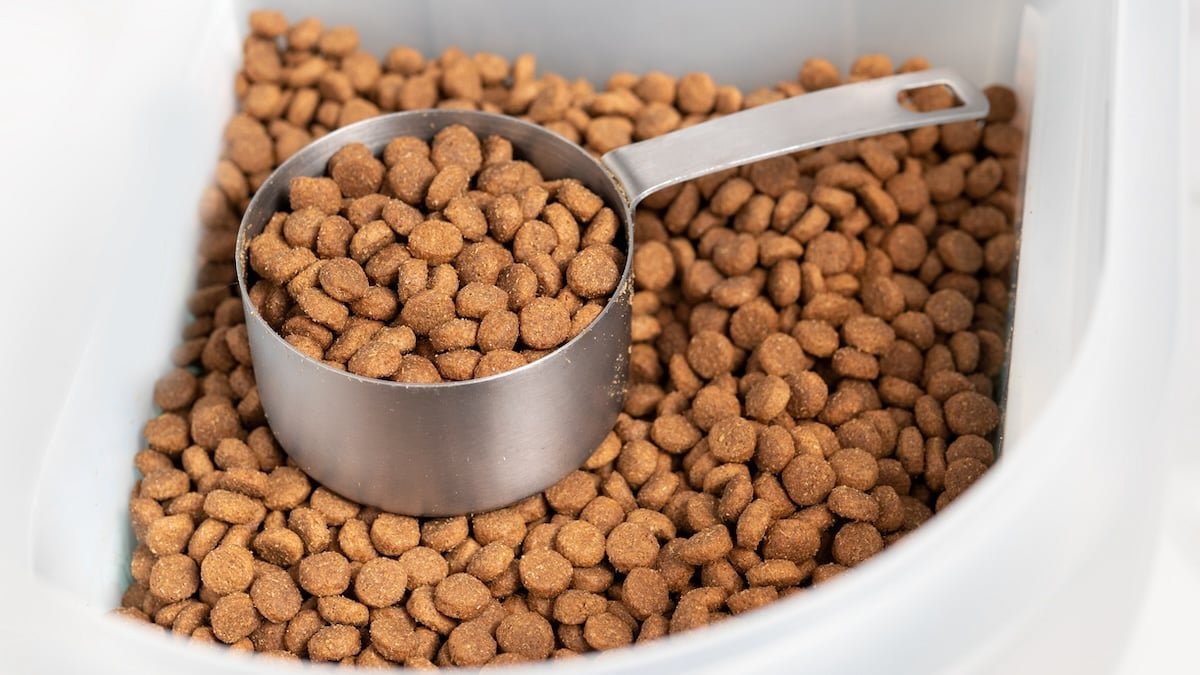
Measure food with a standard cup. Guessing leads to overfeeding by up to 30%, a primary driver of canine obesity. If your dog is a puppy, split the daily total into three meals to prevent blood sugar spikes and support steady growth.
Always provide fresh water in a clean bowl. Dry kibble contains less than 12% moisture, meaning your dog must drink roughly one ounce of water for every pound of body weight to process the food. If they drink significantly more, consult a vet, as this can signal kidney strain.
Store the food in its original bag inside an airtight container. Oils in kibble oxidize within weeks of exposure to air, turning rancid and destroying fat-soluble vitamins like A and E.
If you notice your dog leaving food behind or developing loose stools, use the 20% rule. Reduce the portion by 20% for two days to see if the issue is simple overconsumption or a genuine sensitivity to the formula. If symptoms persist, switch to a limited-ingredient diet.
The mistakes that ruin it
Adding too many human table scraps disrupts the nutritional balance of the dog’s primary diet and leads to weight gain. Treats should never exceed 10% of their daily caloric intake. If you notice your dog turning their nose up at kibble, stop the scraps for three days to reset their appetite.
Switching food brands abruptly causes severe stomach upset and diarrhea because the digestive system can’t adapt to new ingredients instantly. Always use a seven-day transition period. Mix 25% new food with 75% old for two days, then move to a 50/50 split for three days before finishing the final transition.
Storing dry food in a container without the original bag makes it impossible to check the lot number if a safety recall happens. If you prefer a bin, cut the lot number and expiration date off the bag and tape it to the container’s lid.
Feeding a senior dog a high-calorie puppy formula leads to rapid weight gain and unnecessary joint stress. Use the protein-to-fat ratio on the label to decide; if the fat content exceeds 15%, it’s likely too dense for a sedentary older pet.