
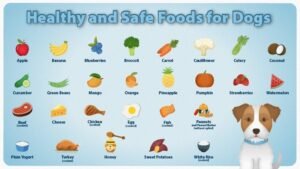
If you are asking what are some good foods for dogs, lean proteins like chicken, turkey, and beef, plus cooked vegetables like carrots and green beans, provide essential nutrients.
Why it works / what to know first
Photo: blog.petmade.com on Google
Dogs are omnivores that need a balance of protein, fats, and carbohydrates to thrive. High-quality protein helps maintain muscle mass, while specific vegetables offer vitamins and fiber that improve digestion and energy levels.
The most common mistake is feeding dogs human food that contains hidden toxins. Always check ingredients like xylitol, onions, or grapes before sharing, as these can cause severe illness. A single grape or a small amount of onion powder can trigger acute kidney failure or anemia in smaller breeds.
If your dog has a sensitive stomach, introduce new foods in very small amounts to watch for reactions. If your pet shows signs of lethargy or diarrhea within six hours, stop the new food immediately. If the dog remains stable for three days, you can safely increase the portion size. This gradual transition prevents the common error of sudden dietary shock.
What are some good foods for dogs to eat
- Select lean, boneless meat such as skinless chicken breast or lean ground beef.
- Cook the meat thoroughly until it reaches an internal temperature of 165°F to ensure it’s free from harmful bacteria, as confirmed by the FoodSafety.gov safe internal temperatures guide.
- Steam or boil vegetables like carrots, green beans, or sweet potatoes until they’re soft enough to mash easily.
- Remove all seeds, pits, and skins from any fruits or vegetables, as these parts can be difficult to digest or pose a choking hazard.
- Serve the prepared food plain without adding salt, butter, garlic, or onions, which are often toxic to pets.
- Mix the cooked items with your dog’s regular kibble to ensure they still receive the full spectrum of vitamins found in commercial dog food.
Tip: If you’re unsure about the specific dietary needs for your dog’s breed or age, consult a veterinarian before making major changes.
Tip: Never serve raw meat or bones, as these carry risks of salmonella and internal punctures.
How long it takes
Photo: www.samsclub.com on Google
Preparation time depends on the type of food and the cooking method you choose for your pet.
| Food Item | Preparation Time | Best Method | What to Watch For |
|---|---|---|---|
| Chicken Breast | 20 minutes | Poaching | Ensure no pink remains |
| Carrots | 10 minutes | Steaming | Soft enough to mash |
| Sweet Potato | 30 minutes | Boiling | Remove all skin first |
| Green Beans | 5 minutes | Blanching | No salt or seasonings |
If you find that the meat remains tough after the suggested time, continue simmering in small amounts of water until the texture is tender enough for easy chewing.
How to tell when it’s done
Photo: soopapets.com on Google
You can tell food is ready by checking the texture and internal temperature. Meat should be gray or white throughout with no translucent or raw areas.
Vegetables are finished when a fork slides into them with no resistance, indicating they’re soft and easy to digest.
If you’re ever in doubt about the doneness of meat, use a digital food thermometer to confirm it has reached the safe heat level mentioned in the safety guide. This ensures the food is safe for your dog to eat without risk of bacterial infection.
The most common mistake is relying on visual cues alone for thick cuts of poultry or pork. If the center remains pink, the meat is undercooked. If the juices run clear, it’s usually safe. When in doubt, always prioritize the thermometer reading over the color.
Mistakes that ruin it
-
Adding seasonings: Common pantry staples like onion powder, garlic, and chives are toxic to dogs, even in trace amounts. These ingredients damage red blood cells, potentially leading to hemolytic anemia. If you suspect your dog consumed seasoned scraps, watch for lethargy or pale gums, which are early warning signs of toxicity. Always keep human food strictly plain and unseasoned.
-
Feeding too much fat: Offering bacon grease or fatty beef trimmings triggers pancreatitis, a severe inflammation of the pancreas that often requires emergency veterinary intervention. If your dog experiences sudden vomiting or a hunched posture after a meal, stop all solid food immediately and consult your vet. Stick to lean, boiled proteins to avoid this painful condition.
-
Ignoring portion control: Even healthy foods cause weight gain if they displace essential nutrients. A simple decision rule applies: treats and human-grade additions must never exceed ten percent of your dog’s total daily caloric intake.
Related guides