
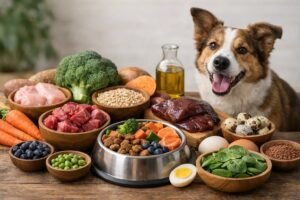
When asking what are the best ingredients in dog food, the answer is high-quality animal proteins like chicken, beef, or fish, paired with balanced fats and vitamins. These components provide the amino acids and energy density required to support muscle growth, immune function, and coat health.
What are the best ingredients in dog food?
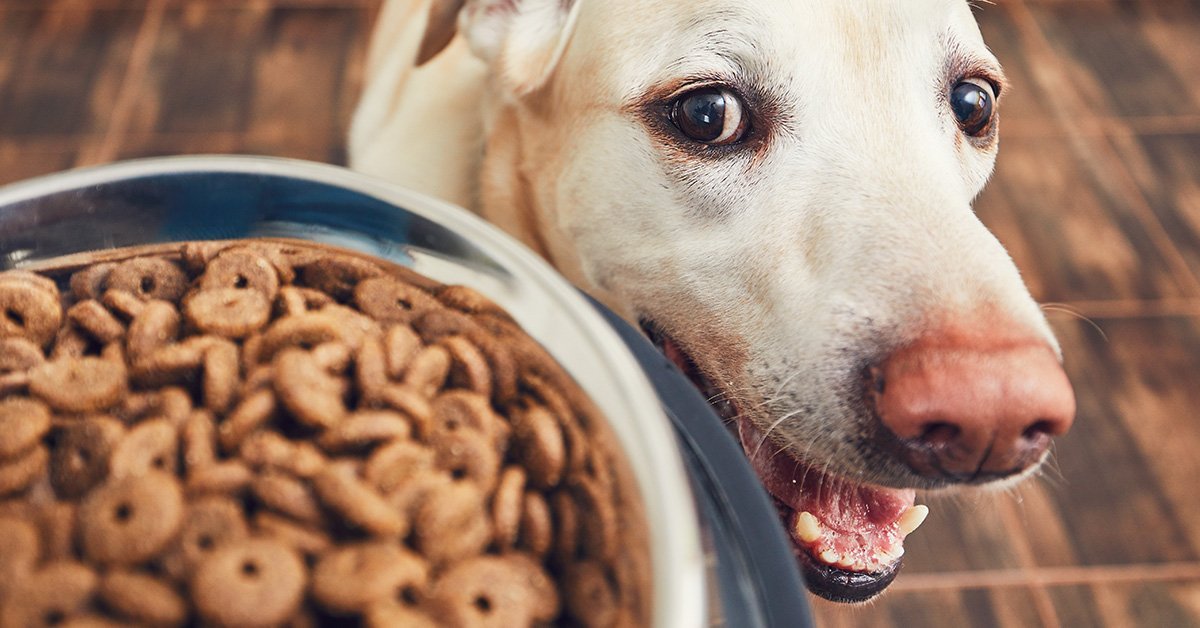
The most important factor in choosing a diet is the life stage of your dog. A puppy needs more calories and calcium than an adult dog to support rapid bone development. If you feed a puppy formula to a senior dog, you risk causing obesity due to the higher fat content.
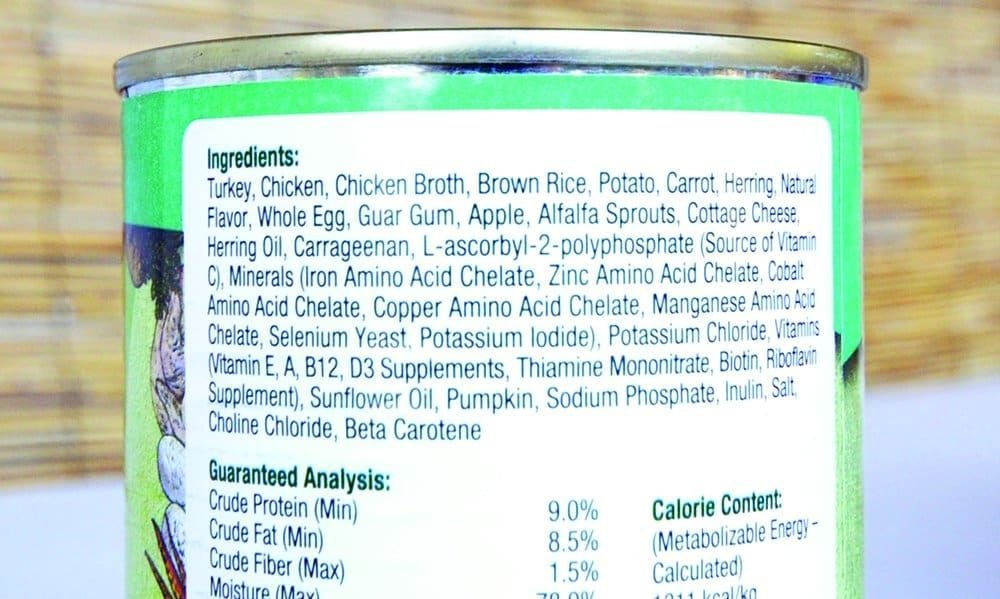
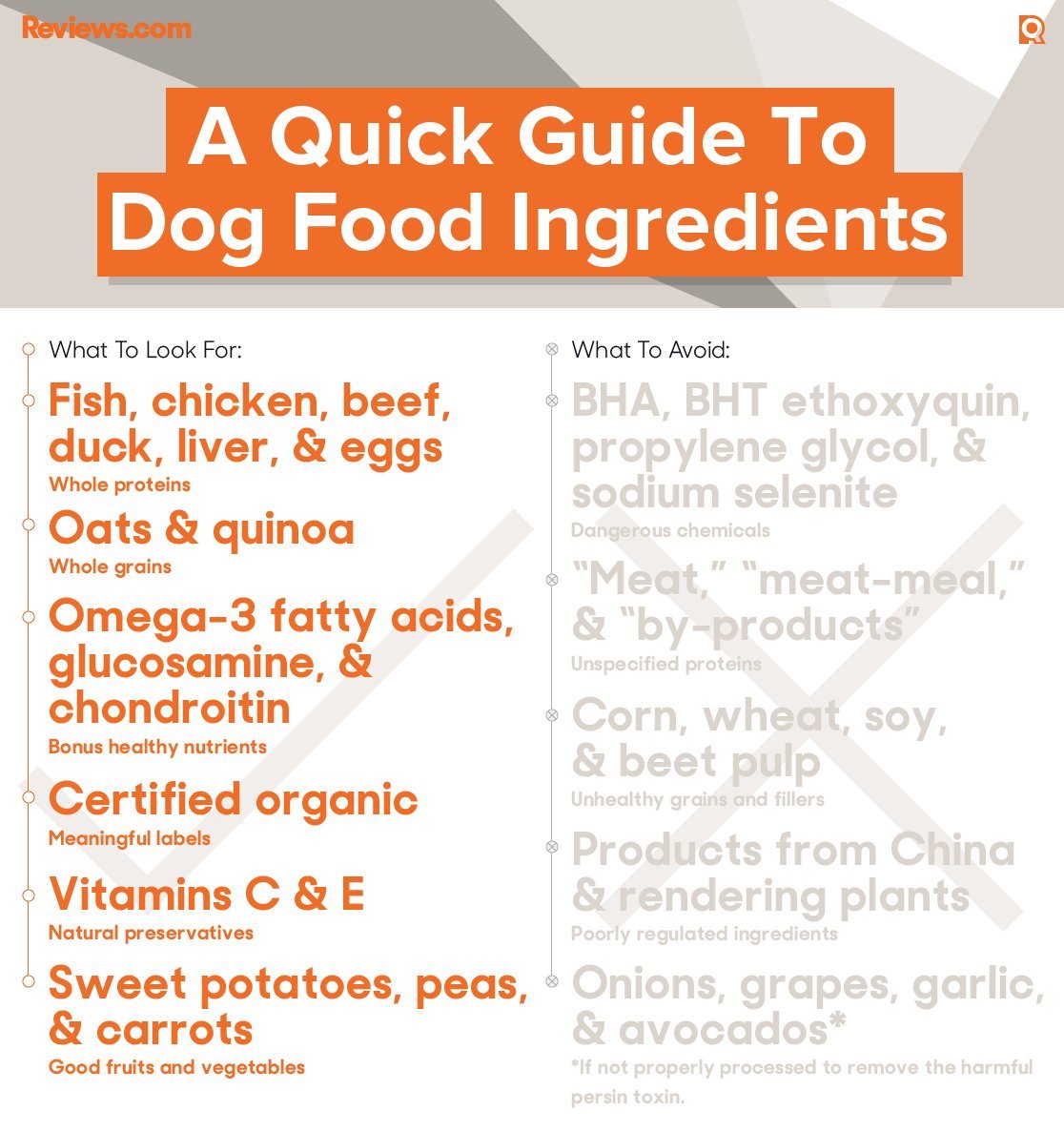
The most common mistake people make is choosing food based on fancy marketing words rather than the ingredient list. Always look for a specific named protein source as the first ingredient, rather than generic terms like “meat meal” or “animal by-products.”
Check the guaranteed analysis on the back of the bag for the crude protein percentage. Healthy adult maintenance diets typically require between 18% and 25% protein. If your dog is highly active or a working breed, look for the higher end of that range. Conversely, if your dog is sedentary, stick to the lower end to prevent unnecessary weight gain.
Selecting optimal dietary components
- Prioritize whole proteins like deboned chicken, salmon, or turkey to ensure your dog receives complete amino acids.
- Select healthy fats such as flaxseed or fish oil, as these provide omega-3 fatty acids that support skin and joint health.
- Include complex carbohydrates like brown rice, oats, or sweet potatoes, which offer steady energy and fiber for digestion.
- Verify that the food meets the nutrient profiles established by the Association of American Feed Control Officials to ensure the recipe is nutritionally complete. Tip: If you see “corn” or “wheat” as the primary ingredient, the food may lack the high-quality protein necessary for muscle maintenance.
- Avoid foods containing artificial colors, flavors, or chemical preservatives like BHA or BHT, which add no nutritional value to the diet. Tip: Transitioning to a new food should happen over seven days by mixing increasing amounts of the new brand with the old one to avoid digestive upset.
Comparing nutritional profiles
| Ingredient Type | Benefit | Best Sources | What to watch for |
|---|---|---|---|
| Protein | Muscle growth | Beef, Lamb, Chicken | Named meat source |
| Fats | Energy/Skin | Fish oil, Chicken fat | Preservative free |
| Fiber | Digestion | Sweet potato, Oats | Whole grain forms |
When evaluating these profiles, look for a specific animal species listed first. If the label says “meat meal” without naming the animal, assume it’s a low-quality byproduct.
A common mistake is prioritizing high protein percentages over digestibility. A food with 30% protein from feathers or corn gluten is less effective than 22% protein from muscle meat.
Use this decision rule: if your dog has a sensitive stomach, choose fiber sources like pumpkin or oats rather than beet pulp. If your pet has a dull coat, ensure the fat source is listed within the first three ingredients.
If your dog is losing weight or seems lethargic after a diet change, consult your veterinarian to rule out underlying health issues or nutrient deficiencies.
Identifying quality through observation
You can tell if a food is working by monitoring your dog’s energy levels, stool quality, and coat condition. A healthy dog should have firm, consistent stools and a shiny, soft coat without excessive shedding.
If the dog is constantly scratching or has red, inflamed skin, the current protein source might be causing an allergy. Watch for “hot spots” near the paws or ears, which often signal an immune response to a specific grain or meat.
The most reliable test for quality is a veterinary blood panel, which detects if your dog is receiving the correct balance of micronutrients. If the animal seems hungry all the time despite feeding the recommended daily amount, the caloric density may be too low for their specific activity level.
A common mistake is ignoring stool volume. If your dog produces more than two bowel movements daily, the food likely contains too many fillers that the body can’t process.
Mistakes that ruin it
-
Sudden diet changes: Switching brands overnight often causes severe vomiting or diarrhea because the gut microbiome can’t adapt quickly. Always use a one-week transition period to allow the digestive system to adjust to the new ingredients. If your dog shows signs of loose stool by day three, extend the transition to ten days.
-
Overfeeding based on guesswork: Giving too much food leads to joint stress and heart issues, even if the ingredients are high quality. Use a measuring cup to follow the exact daily gram or cup allowance printed on the bag for your dog’s weight. Many owners make the mistake of using a standard kitchen mug instead of a calibrated cup, which can result in an accidental 20% caloric surplus.
-
Ignoring the expiration date: Using expired food can lead to rancid fats or bacterial growth that makes your dog sick. Check the date on the bottom of the package and store the food in a cool, dry place to prevent moisture buildup. If the kibble smells like old vegetable oil, discard it immediately rather than risking a gastrointestinal infection.