
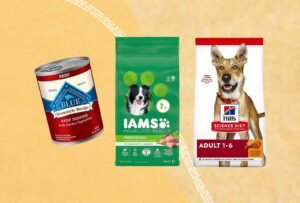
If you are wondering what are the best types of dog food, look for balanced, complete, and nutrient-dense formulas that meet AAFCO standards. These diets provide the protein, fat, and vitamin ratios needed to support long-term health at every life stage.
What Are the Best Types of Dog Food?
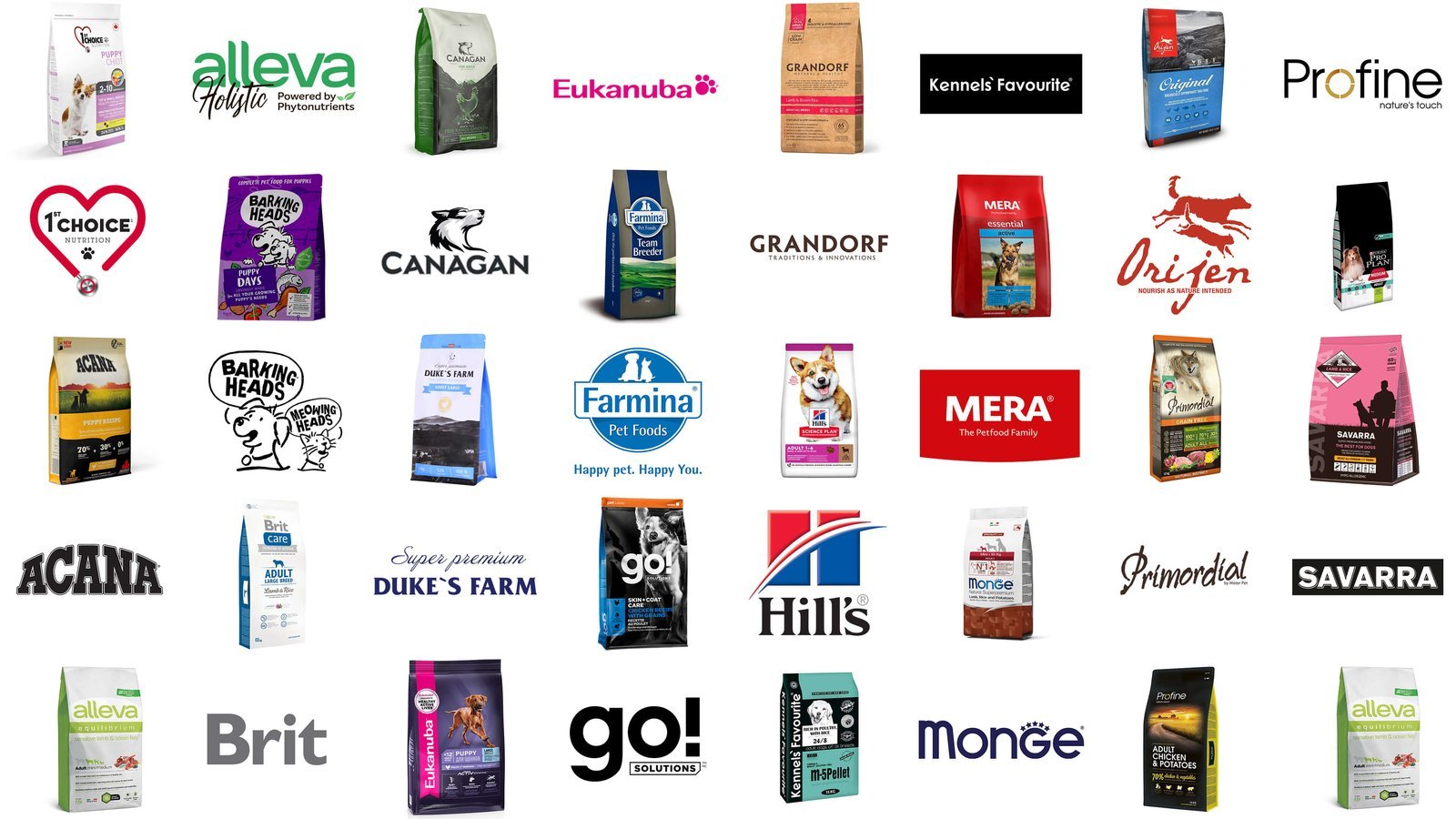
The most important factor is choosing a diet that matches your dog’s specific life stage, size, and activity level. A puppy needs different calcium levels than a senior dog, and a working dog requires more calories than a sedentary pet.
The biggest mistake is ignoring the label’s nutritional adequacy statement. If a bag doesn’t explicitly state it is “complete and balanced” for your dog’s specific life stage, it isn’t a safe, long-term diet.
Check the AAFCO statement on the back of the package. If it says “for intermittent or supplemental feeding,” the food lacks the nutrient density required for daily health. Feeding this as a primary diet can lead to bone density issues in puppies or organ strain in seniors. Always verify the life stage matches your dog’s exact age before committing to a new brand.
Selecting the right nutrition
- Check the bag for the AAFCO statement to confirm the food is nutritionally complete for your dog’s age. This ensures the product provides every essential nutrient in the correct amount.
- Review the ingredient list to ensure a named protein source, such as chicken, beef, or salmon, is the first ingredient listed.
- Consult your veterinarian before choosing a diet if your dog has allergies or chronic health issues, as they may require a specialized prescription formula.
- Measure the daily portion exactly using a standard measuring cup based on the feeding guidelines printed on the package. Tip: Don’t rely on “eyeballing” the amount, as even small over-feeding leads to obesity over time.
- Transition your dog to the new food slowly over seven to ten days by mixing increasing amounts of the new food into the old. This prevents digestive upset. Tip: If you see vomiting or diarrhea, slow down the transition period by an extra three days.
How long it takes
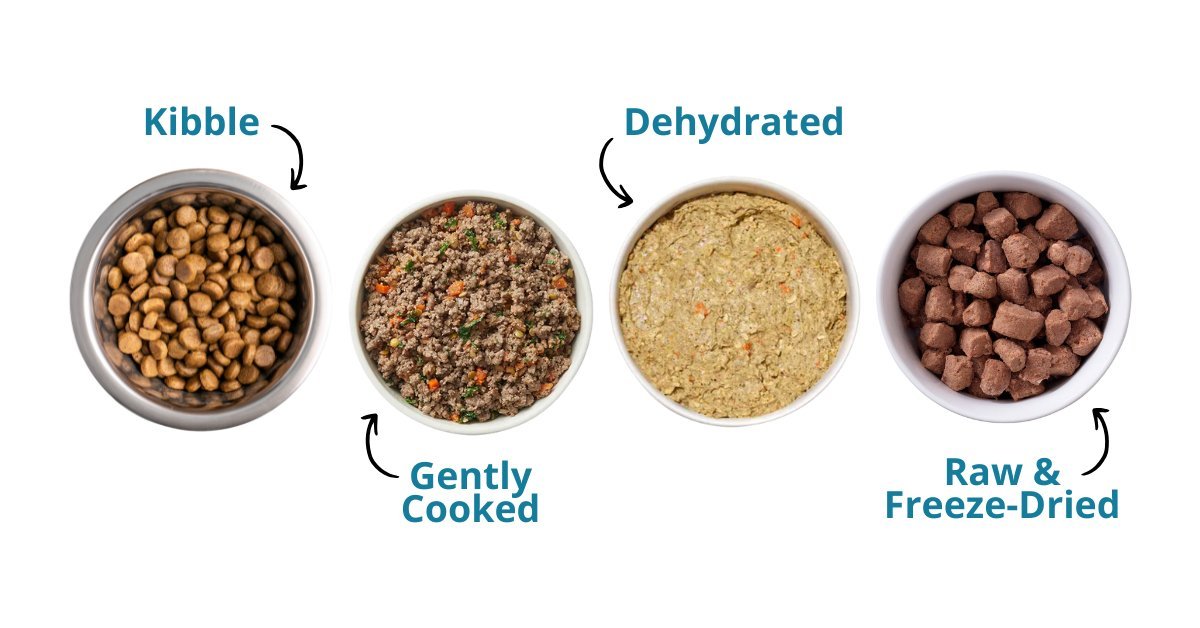
The time required to see the benefits of a diet depends on your dog’s metabolism and the quality of the food.
| Situation | Time to see results | What changes it | What to watch for |
|---|---|---|---|
| Normal adult dog | 4–6 weeks | Metabolism speed | Energy levels |
| Puppy growth | Continuous | Growth rate | Steady weight gain |
| Sensitive stomach | 1–2 weeks | Digestive health | Stool consistency |
| Skin and coat | 8–12 weeks | Oil production | Shine and itchiness |
Most owners mistake a lack of immediate weight loss for a failed diet. If your dog isn’t losing weight after six weeks, don’t cut calories further. Instead, check the treat bag. One extra biscuit per day can account for ten percent of a small dog’s daily caloric needs, effectively stalling progress.
If you’re transitioning a dog with chronic allergies, the timeline shifts. You must wait the full twelve weeks to see the skin cycle reset. If you introduce a single flavored chew or supplement during this window, you reset the clock to day one.
If you don’t see a positive change in your dog’s condition after three months, schedule a checkup to rule out underlying medical causes.
How to tell when it’s done
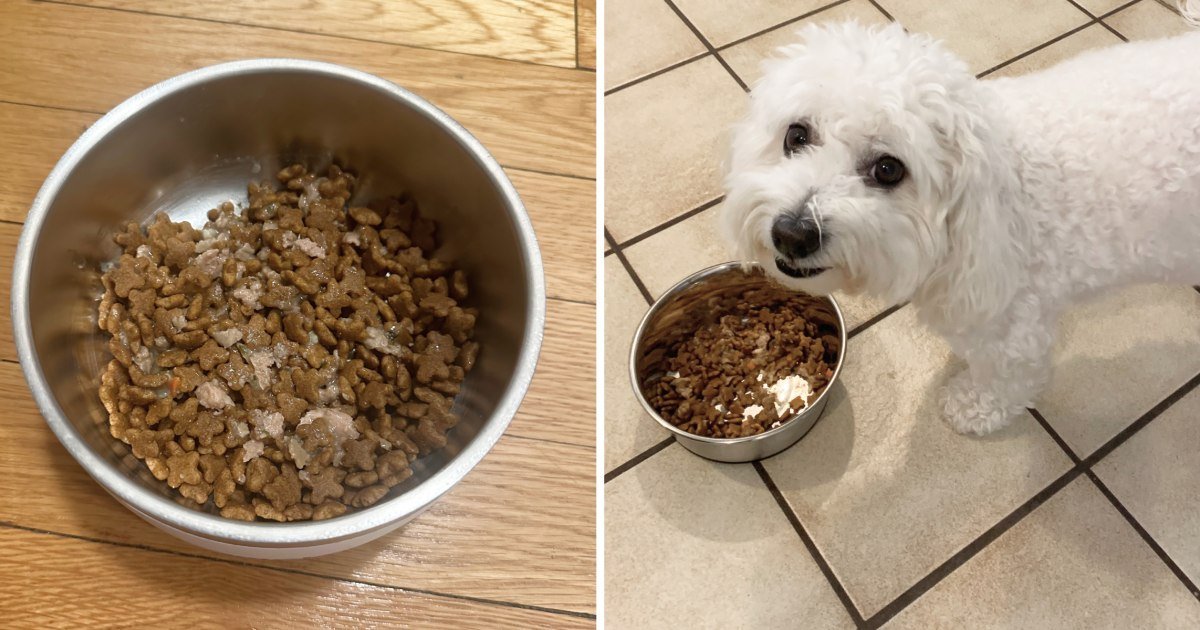
You can tell if a food is working by monitoring your dog’s physical condition and energy levels. A healthy dog on a good diet will have a shiny coat, firm stools, and a body condition score that allows you to feel, but not see, their ribs.
If you can easily see the ribs, your dog is likely underweight and requires a higher caloric density. Conversely, if you can’t feel the ribs under a layer of fat, you must reduce portion sizes immediately to prevent joint strain.
According to the AAFCO Dog and Cat Food Nutrient Profiles, labels must provide a guarantee that the product meets the minimum nutritional requirements for specific life stages. If your dog loses weight unexpectedly or becomes lethargic, the food may be nutritionally inadequate or the portion size is incorrect for their current activity level. Always track these changes over a three-week period, as sudden adjustments often mask temporary digestive upsets rather than true nutritional failure.
Mistakes that ruin it
- Feeding based on marketing claims: Buying food because of a “natural” or “holistic” label often leads to buying products that lack scientific testing. Always look for the AAFCO nutritional adequacy statement instead of buzzwords on the front of the bag.
- Adding too many human table scraps: Giving your dog human food adds extra calories that aren’t balanced with their main diet. This leads to nutrient imbalances and obesity; keep treats to under ten percent of their daily intake.
- Changing food brands too frequently: Switching brands often prevents you from seeing if a specific food actually works for your dog. Stick to one high-quality, balanced brand for a sufficient period to properly evaluate the results.
- Ignoring the storage instructions: Leaving food in an open bag allows fats to go rancid and vitamins to degrade. Keep the food in its original packaging inside a sealed container in a cool, dry place to maintain freshness.