

If you are wondering what does dog food mean, it usually refers to testing a product before buyers see it, or to illicit street drugs. You can safely keep reading because these phrases appear in work emails, songs, and police reports every day. You’ll confirm the real meaning in five minutes by looking closely at where you saw the words written.
What the label food can mean

The exact context reveals which definition someone is using right now.
| What you notice | What it usually means | What to do first |
|---|---|---|
| Tech staff using pre-release apps | Internal software testing | Check the developer email list |
| Hip-hop lyrics mentioning brown powder | Street heroin or fentanyl | Ignore or skip the media |
| Pet bags on a kitchen shelf | Commercial dog meal | Read package feeding guidelines |
| Office chat about “eating our own” | Pushing internal tool adoption | Test the internal software build |
| Police report in your neighborhood | Unlawful narcotics trade | Avoid that area completely |
| Poker talk at a card table | Bad opening cards | Fold your losing hand early |
| Retail worker marking down pet cans | Expired animal nutrition | Check the printed expiration stamp |
Software teams testing their own tools
Technology companies use the phrase to describe workers testing their own unreleased software. This practice comes from the older office phrase “eating your own dog food.” The idea is simple: if a company makes software, its own staff should trust it enough to run their daily work on it.
You confirm this meaning if the note comes from project managers, programmers, or product testing teams. The fix for any bugs you spot is opening a ticket in your company’s internal bug tracker. You’ll know the process worked when your everyday team operations run smoothly without using tools from outside rivals.
This process carries a trade-off. Your business saves cash on third-party licenses, but your staff must deal with frequent bugs during office hours. If your company builds tools for ordinary consumers, do this; if your team builds high-risk medical gear, rely on external verification instead.
Slang for street narcotics

In music, online forums, and crime reports, the words refer to illegal street drugs, most often brown heroin. Drug sellers use street slang to hide illegal deals from law enforcement and automated chat filters. The phrase sometimes refers to low-quality narcotics cut with cheap fillers that resemble brown pet kibble.
To confirm this meaning, check whether the surrounding text talks about cash deals, grams, foil, or street trade. You tell this use apart from the software phrase because it never involves business workflows, computer code, or corporate meetings. People who mistakenly use this slang in office communications risk their employment and professional reputation. If you see this slang mixed with strange sales requests in your neighborhood, step away and alert local authorities.
Commercial meals made for canines
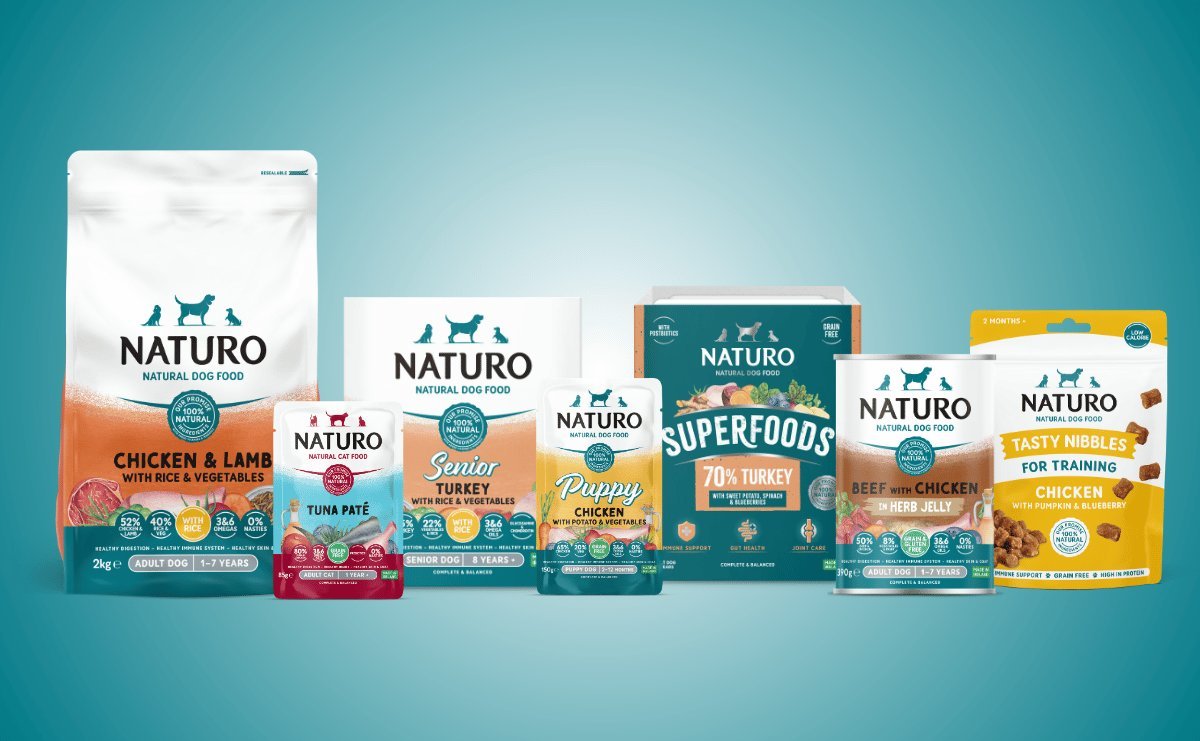
The plainest meaning points to packaged nutrition formulated specifically for domesticated dogs. Pet owners buy this food in wet cans, baked kibble, or raw refrigerated chub rolls. The FDA animal food regulations require pet food ingredients to be safe, clean, and properly labeled.
You tell this meaning apart from office jargon and street slang because it mentions meat cuts, vitamins, and shelf storage. This standard pet nutrition isn’t for human meals. Pet food isn’t formulated for human nutritional needs and may contain ingredients or bacterial levels not intended for human consumption. A shopper’s honest limit is that quality varies across different brands, so always read the ingredient panel carefully.
When to stop and get help
- You discover unlabelled, strange powders packaged inside baggies in your house.
- A co-worker threatens you over street slang used in the office.
- Someone ingests commercial pet kibble and develops painful stomach cramps or fever.
- A corporate software testing build causes total loss of business files.
Handling street drugs carries severe legal and physical dangers. If you suspect illicit drugs are near you, leave the materials untouched and contact emergency services immediately.
Frequently asked questions
Can humans safely eat canned pet kibble?
No. Commercial animal feed uses rendered meats and raw scraps that can contain harmful bacteria like Salmonella. The safety standards for pet feeds don’t match human grade rules.
What does dog food mean in tech?
To build confidence in their software. When software engineers use their own buggy tools regularly, they find broken features faster. It forces workers to experience the exact problems regular users will face later.
How long has this slang been around?
About fifty years for software testing. Corporate lore traces the phrase back to television commercials from the nineteen-seventies. Street slang uses began spreading through major urban music scenes during the nineteen-nineties.
Is it safe to leave dog kibble open?
About six weeks after opening the original bag. Keep the kibble sealed in an airtight container to avoid bugs and spoiled fats. Check the printed expiration date on the bottom flap.
What happens if I use this phrase at work?
You might confuse coworkers if they only know the street slang meaning. Use clear terms like internal testing instead. Clear language prevents HR complaints and keeps your office messages professional.
Does dog food always mean illegal drugs in songs?
No. The song’s topic tells you the real meaning. If the lyrics describe poverty, running out of money, or feeding pets, the songwriter means actual animal food. Drug references mention packaging and street sales.
Final Thoughts
Next time you spot these words in a message, don’t worry about the confusion. Take a moment to check the context, and you’ll see it’s just business jargon or slang. You’re ready to handle these tricky phrases with confidence, so keep an eye out for how they’re used in your daily life.