
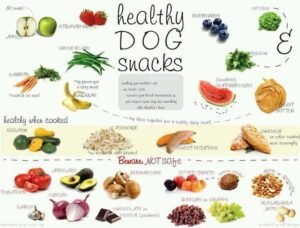
When asking what are the healthiest foods for dogs, the answer is lean proteins, fresh vegetables, and whole grains, which provide the balanced nutrients needed for daily energy.
What Are the Healthiest Foods for Dogs
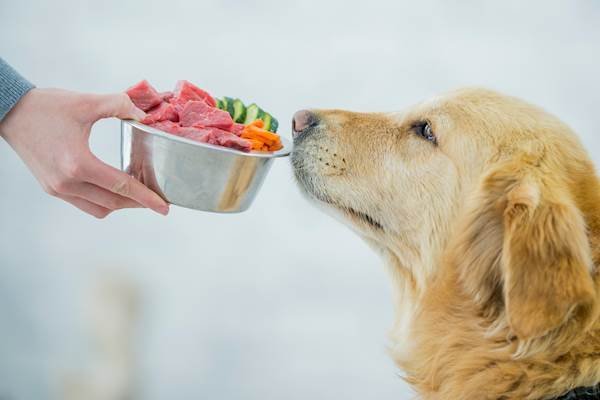
Serve lean, cooked meats like chicken or turkey without skin or bones. Always remove all fat and gristle, as high-fat meals can trigger acute pancreatitis in sensitive breeds.
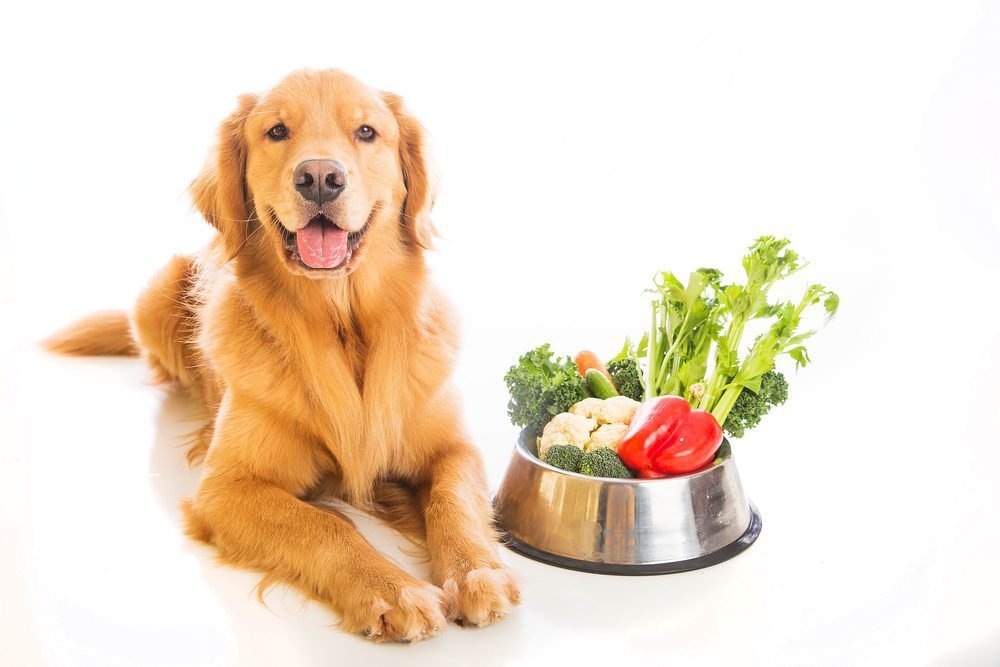
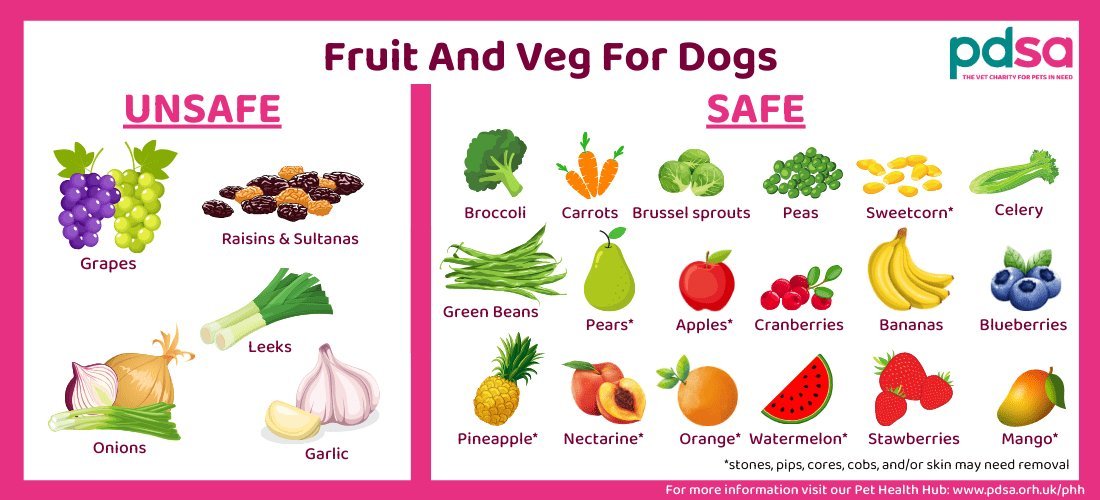
Offer plain, steamed vegetables such as green beans, carrots, or sweet potatoes. Avoid adding salt, butter, or seasonings, which cause digestive distress.
Include fiber by mixing in a small amount of cooked brown rice or oatmeal. Use a ratio of one part grain to three parts protein to maintain proper caloric density.
Avoid onions, garlic, grapes, raisins, and chocolate. These items are toxic and can cause serious health issues, including organ damage.
Consult your veterinarian before starting a new diet to ensure it meets specific life stage needs. If your dog has a history of kidney or liver issues, homemade diets often lack the precise mineral balance required to prevent further damage.
Check the Association of American Feed Control Officials guidelines to understand the nutrient profiles required for healthy canine growth and maintenance.
Understanding canine nutritional requirements
Dogs need a specific balance of proteins, fats, carbohydrates, vitamins, and minerals to maintain long-term health. Proteins are the building blocks of muscle and tissue, while healthy fats provide energy and support skin health. Carbohydrates offer a quick energy source and fiber for digestion. Unlike humans, dogs have very specific metabolic needs that change based on their size, age, and activity level. If you feed a growing puppy the same diet as a senior dog, you risk missing the specific caloric density required for their development. The key is providing a complete profile rather than just individual ingredients. Always check the packaging or consult a professional because nutritional needs vary by life stage—check the label for life-stage certification. A common mistake is assuming human “superfoods” are safe; many common pantry items cause severe organ damage. If you choose to cook at home, you must follow a balanced recipe provided by a veterinary nutritionist to prevent dangerous nutrient deficiencies.
When the answer is different
These shifts depend on your dog’s metabolic baseline. Most owners mistake weight gain for simple overfeeding, but the real culprit is often a low metabolic rate requiring a caloric reduction of 10 to 15 percent. If your dog remains sedentary, switch to a low-fat kibble to prevent insulin spikes.
Conversely, working breeds burn energy differently. If your dog works more than two hours daily, prioritize complex fats over simple carbohydrates. This prevents the “crash” associated with grain-heavy diets.
Watch for the “rib test” to determine your path. If you can’t feel the ribs under a light touch, your dog is overweight. If the ribs are visible without touch, increase caloric density immediately. Never guess these amounts; use a kitchen scale to measure food by weight rather than volume.
How to do it properly
- Select lean protein sources like boiled chicken breast, removing all skin and fat to prevent digestive upset in your pet.
- Wash and chop fresh carrots or green beans into small, bite-sized pieces to prevent any choking hazards during quick consumption.
- Steam the vegetables until they’re soft, as raw vegetables can be difficult for some dogs to digest properly and safely.
- Cook brown rice or oats thoroughly in plain water without adding any salt, butter, oils, or seasonings that cause inflammation.
- Mix the ingredients in a ratio of 50% protein, 25% vegetables, and 25% grains to keep the nutritional balance consistent daily.
- Cool the mixture to room temperature before serving to ensure your dog doesn’t burn their mouth on hot food.
- Store any leftovers in the refrigerator in an airtight container for no more than three days to avoid bacterial growth.
The mistakes that ruin it
Adding onions or garlic to homemade meals causes oxidative damage to a dog’s red blood cells, which can trigger life-threatening anemia. Even small amounts of garlic powder are potent enough to cause this reaction.
Feeding cooked bones is a common error that leads to internal punctures or severe intestinal blockages. Unlike raw bones, cooked ones lose their moisture and become brittle, splintering into razor-sharp shards that require emergency surgery to remove.
Relying on table scraps creates an unbalanced diet, often leading to chronic nutrient deficiencies or dangerous pancreatitis. If your dog suddenly refuses food or shows abdominal tenderness after a meal, stop all human food immediately.
Finally, ignoring portion control causes rapid weight gain. If you can no longer feel your dog’s ribs under a light touch, reduce their caloric intake by ten percent.