
When considering what can we feed a dog, a balanced commercial diet ensures they receive all necessary nutrients. Most healthy adult dogs thrive on high-quality, pre-formulated kibble or wet food.
The short version
Choose products labeled as “complete and balanced” by AAFCO standards. This certification ensures the food meets the minimum nutrient profiles required for long-term health.
Feed adult dogs two meals per day to maintain steady blood sugar. This twice-daily cadence prevents the lethargy associated with large, singular spikes in insulin.
Limit human treats to no more than ten percent of their daily calorie intake. Exceeding this threshold often leads to nutritional imbalances and obesity. If your dog is sedentary, cap treats at five percent.
Ensure fresh, clean water is available in a bowl at all times. Dehydration can cause kidney strain within forty-eight hours.
Consult your veterinarian before adding supplements or changing to homemade diets. Homemade meals frequently lack essential calcium-to-phosphorus ratios.
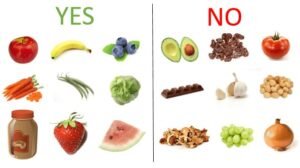
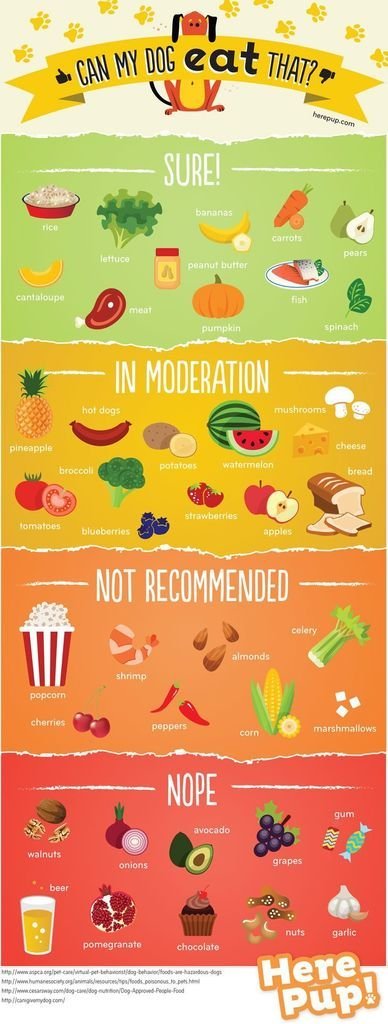
Avoid feeding onions, grapes, chocolate, or macadamia nuts, as these are toxic. Even small amounts can trigger acute organ failure.
Why balanced nutrition matters for dogs
Dogs require a specific balance of proteins, fats, carbohydrates, vitamins, and minerals to maintain organ function and coat health. A commercial diet labeled as “complete and balanced” means the recipe meets the nutritional profiles established by the Association of American Feed Control Officials. When you provide a diet that lacks these ratios, your dog may suffer from long-term health problems like weak bones or poor energy levels. This is especially true for puppies, who need higher protein and fat levels to support their rapid growth phases. You should always read the label on the package to ensure the food is appropriate for your dog’s specific life stage, such as puppy, adult, or senior. For details on identifying toxic foods that can harm your pet, you can review the American Veterinary Medical Association guidance on toxic foods. Using food meant for humans without checking compatibility is a common mistake that can lead to severe metabolic stress.
When the answer is different
| Situation | What changes | What to do instead |
|---|---|---|
| Puppy | Need more calories | Use puppy-specific formulas |
| Senior dog | Lower metabolism | Use senior-specific, lower calorie |
| Food allergies | Protein sources | Use limited ingredient diets |
| Pregnant dog | High energy needs | Consult vet for growth food |
| Medical illness | Nutrient restrictions | Follow prescribed veterinary diet |
Most owners fail by treating these life stages as minor adjustments rather than metabolic shifts. A puppy requires nearly double the caloric density of an adult to support rapid skeletal development. If you feed an adult formula to a growing puppy, you risk permanent joint malformation.
Conversely, senior dogs often suffer from kidney strain if kept on high-protein, high-phosphorus puppy kibble. You can tell if your dog needs a change by monitoring their body condition score. If you can feel their ribs easily but not see them, their weight is ideal. If the ribs are buried under fat, switch to a senior formula immediately.
When dealing with allergies, don’t guess. If your dog has chronic ear infections or itchy paws, rotate to a single-source protein diet for six weeks. If symptoms persist, consult your vet for a hydrolyzed prescription option.
What can we feed a dog properly
- Measure the food using a standard measuring cup twice daily based on the weight guidelines printed on the specific brand’s bag.
- Introduce any new food brand slowly over seven days by mixing increasing amounts of the new food with their current, familiar diet.
- Monitor your dog’s weight weekly by feeling their ribs; you should be able to feel them without pressing hard through a thick layer.
- Remove uneaten wet food after thirty minutes to prevent bacterial growth and spoilage in the bowl during warm or humid weather conditions.
- Provide fresh water in a stainless steel or ceramic bowl, washing the container with mild soap and hot water at least once daily.
- Keep all human food stored in sealed cabinets or high counters to prevent accidental ingestion of ingredients that are dangerous to canine health.
The mistakes that ruin it
Feeding from the table teaches begging behavior and makes it impossible to track the exact daily caloric intake. If your dog is already at their ideal weight, one extra scrap can push them into a surplus.
Using human supplements without veterinary approval often leads to vitamin toxicity. Most human-grade Vitamin D or iron doses are far too concentrated for canine physiology. Always check the label for xylitol, a common sweetener that’s fatal to dogs even in small amounts.
Changing food brands abruptly triggers severe gastrointestinal distress, including vomiting or diarrhea. To avoid this, mix 25% new food with 75% old food, increasing the ratio over four days.
Overfeeding leads to obesity, which puts heavy strain on joints and shortens their healthy lifespan. If you can’t easily feel your dog’s ribs under a thin layer of fat, reduce their portion size by 10% immediately.
Related guides