
What does dog food need to provide to remain healthy and active? It must contain a precise balance of proteins, fats, carbohydrates, vitamins, and minerals. This composition ensures your pet receives the essential nutrients required for their specific life stage and activity level.
What does dog food need?
- Protein sources must be high-quality, such as chicken, beef, or fish, to support muscle maintenance.
- Fats provide energy and keep skin and coats healthy, provided they’re balanced with omega fatty acids.
- Carbohydrates offer fuel for daily movement, typically sourced from grains like rice or vegetables like sweet potatoes.
- Calcium and phosphorus levels must be strictly regulated to support bone health, especially in growing puppies.
- Always check the AAFCO statement on the label to ensure the food meets complete and balanced nutritional standards.
- If your dog has specific allergies or sensitivities, look for “limited ingredient” formulas to avoid common triggers.
Why nutrition matters for dogs
The biological requirements of a dog are strict because they depend on a consistent intake of amino acids and minerals to maintain organ function. Dogs are omnivores, meaning they don’t thrive on protein alone; they require a blend of macronutrients to process energy efficiently. Proteins are the building blocks for tissue repair, while fats provide twice the energy per gram compared to carbohydrates. Micronutrients, such as Vitamin A and zinc, regulate metabolic processes that keep the immune system functioning.
When selecting a diet, you must look for the Association of American Feed Control Officials nutrient profiles on the packaging. This organization establishes the nutritional standards that manufacturers use to formulate products labeled as “complete and balanced.” If a product lacks a statement indicating it meets AAFCO nutritional profiles, it may not provide the necessary daily requirements for your pet. Always consult your veterinarian if you’re unsure about the specific needs of your breed, as large and small dogs have different metabolic demands.
When the answer is different
| Situation | What changes | What to do instead |
|---|---|---|
| Growing puppies | Higher calorie density | Feed puppy-specific formulas |
| Senior dogs | Lower calorie needs | Adjust to weight-management diet |
| Working dogs | Higher fat content | Increase portion or density |
| Severe allergies | Novel protein sources | Use hydrolyzed protein diets |
| Pregnancy | Increased nutrient load | Feed high-energy gestation food |
How to do it properly
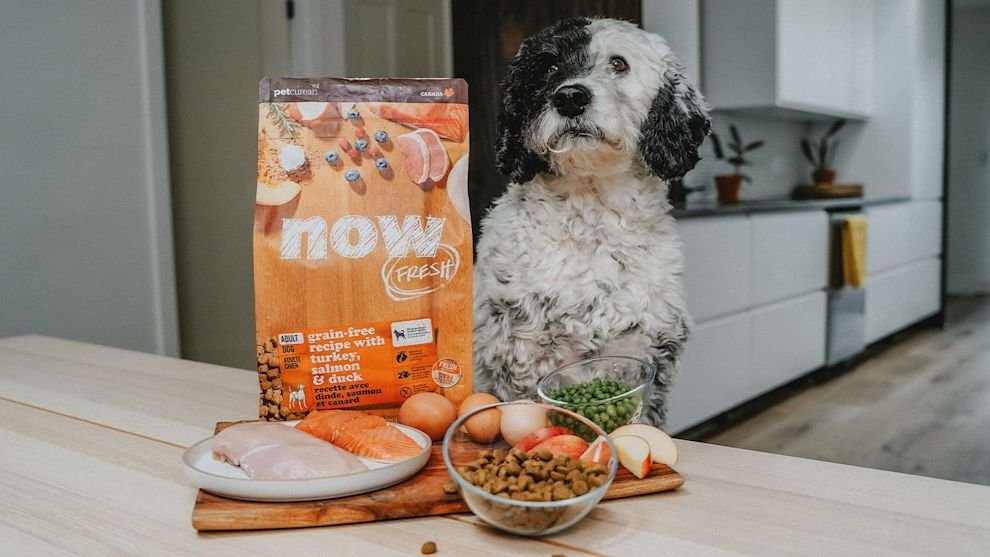
- Read the ingredient label to ensure a named meat source, like “chicken” or “lamb,” is listed as the very first ingredient.
- Verify the “complete and balanced” statement to ensure the food meets the nutritional profile for your dog’s specific age range.
- Measure food using a standard kitchen scale rather than a scoop to prevent overfeeding and ensure consistent daily caloric intake.
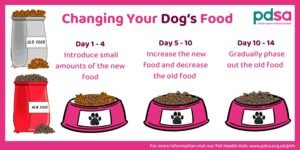
- Transition to new food gradually over seven days by starting with a mix of 25% new food and 75% old food, and slowly increasing the proportion of new food until the transition is complete.
- Monitor your dog’s body condition score; you should be able to feel their ribs easily without seeing them protruding outward.
- Store kibble in an airtight container in a cool, dry place to prevent the fats from going rancid over time.
The mistakes that ruin it
- Feeding human leftovers as a regular meal, which often leads to dangerous weight gain or mineral imbalances.
- Adding excessive supplements without veterinary guidance, which can cause toxicity or inhibit nutrient absorption.
- Switching food brands too quickly, which frequently results in digestive upset, vomiting, or diarrhea.
- Ignoring the serving size recommendations on the bag, which often leads to obesity and associated joint issues.
Frequently asked questions

Does my dog need grain-free food?
No, most dogs don’t require a grain-free diet unless they have a specific, diagnosed allergy to a certain grain. Grains provide excellent fiber and vitamins; unless your veterinarian advises otherwise, whole grains are a healthy part of a balanced canine diet.
How much protein is enough?
About 18% to 22% protein by dry matter is standard for healthy adult dogs, according to general nutritional guidelines. This percentage supports muscle maintenance; however, highly active or working dogs may require significantly higher levels to support their increased energy output.
Is raw food better than kibble?
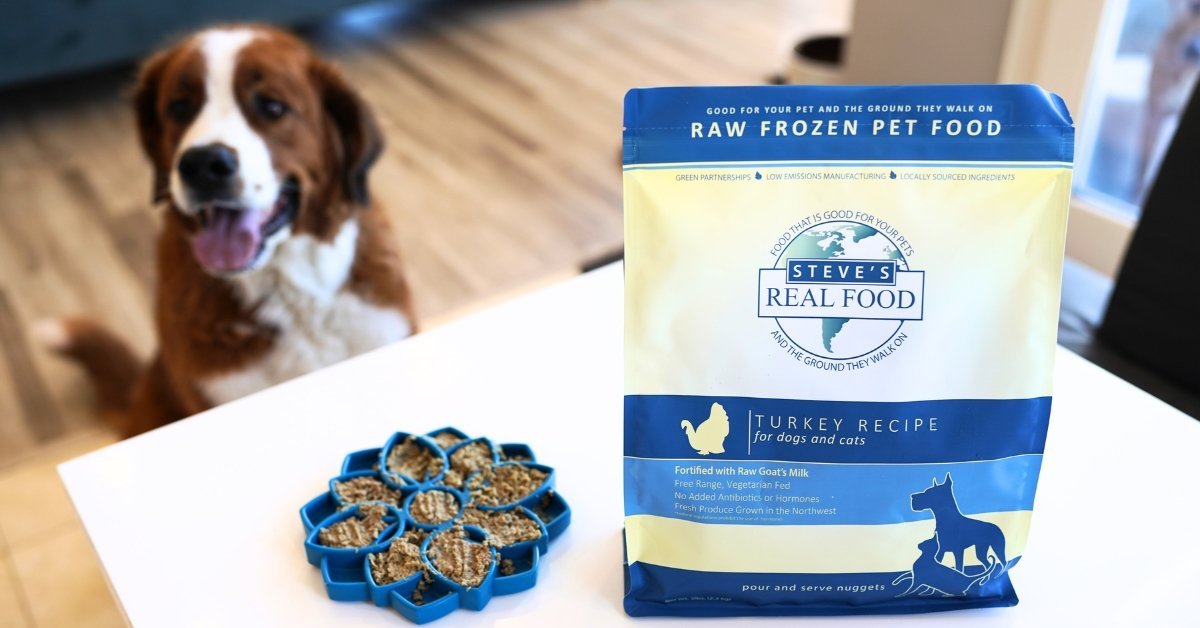
There’s no scientific consensus that raw food is inherently better, and it carries higher risks of bacterial contamination for both pets and humans. Kibble is processed to ensure safety and balance, making it a reliable choice for the vast majority of owners.
Can I feed my dog human food?
Yes, but only in moderation, and you must avoid toxic items like onions, garlic, grapes, and chocolate. Human food should never exceed 10% of your dog’s total daily caloric intake to ensure they still receive the nutrients from their main diet.
How do I know if the food is high quality?
Look for a clear ingredient list and a contact number for the manufacturer on the bag. High-quality brands often conduct feeding trials to prove their food is safe, whereas lower-quality brands may only rely on formula calculations to meet minimum standards.
Does the dog’s age change the food requirement?
Yes, puppies require higher levels of protein and calcium for growth, while senior dogs often need lower calories and joint support supplements. Always check the label to ensure the food is formulated for your dog’s current life stage.
Final Thoughts
Choosing the right meal isn’t just about labels; it’s about your dog’s long-term happiness. Take a moment to check your pet’s current bag for high-quality ingredients today. If you’re still unsure about their specific dietary needs, don’t hesitate to ask your vet for a recommendation that’ll keep them thriving for years.