
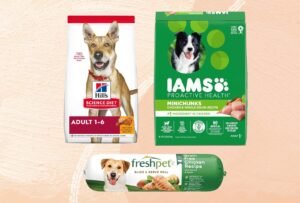
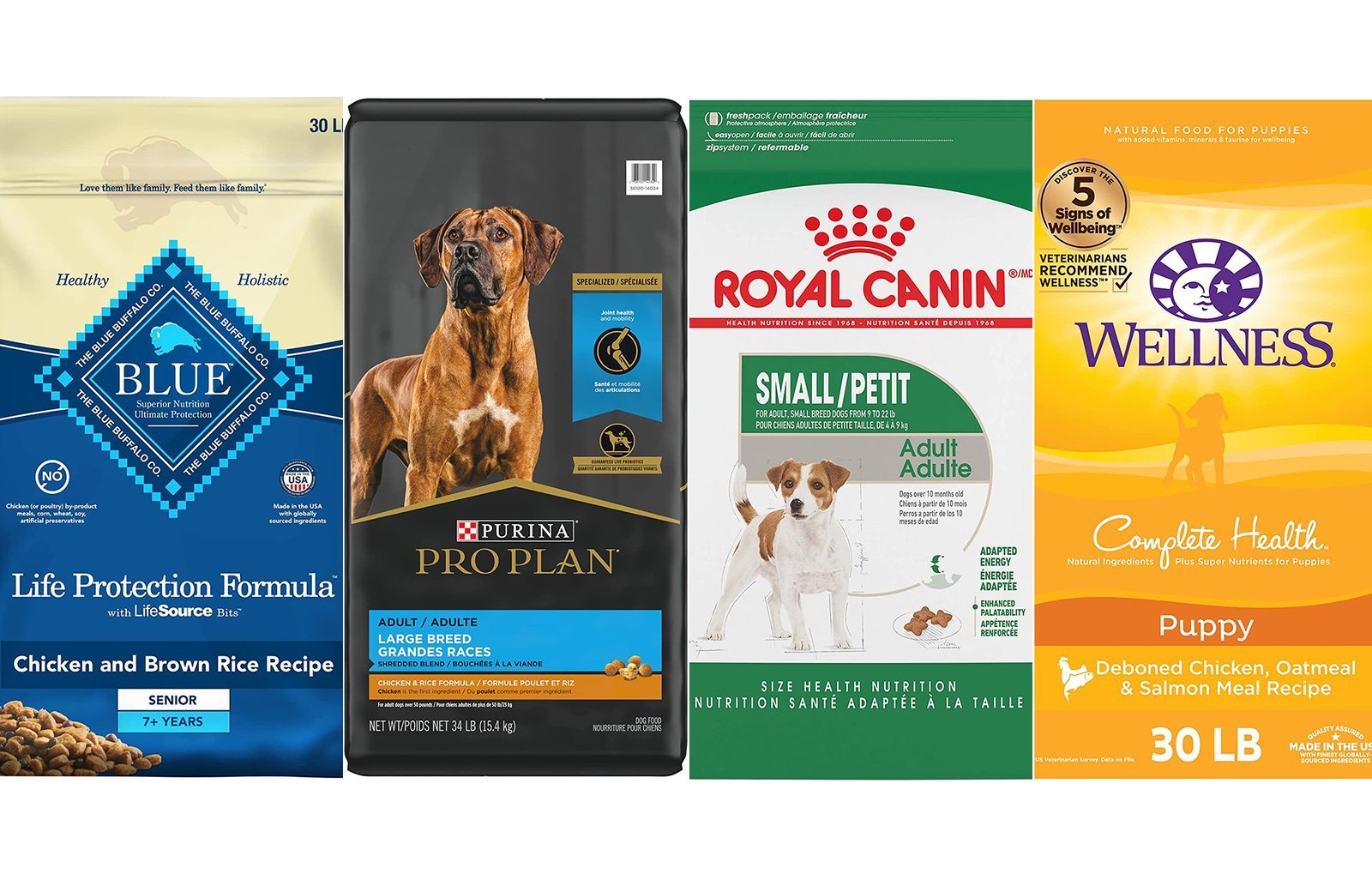
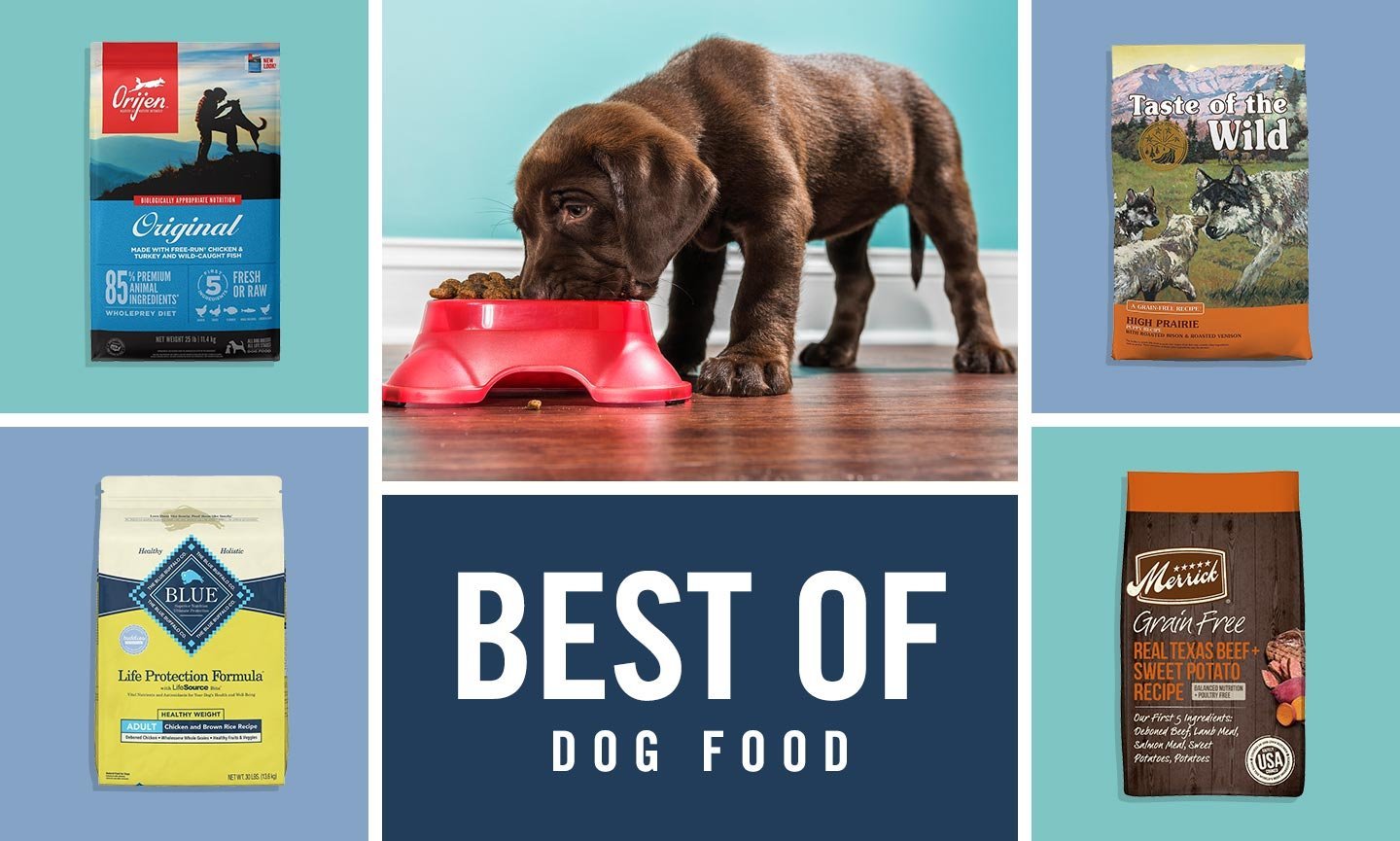
To determine what are the top 10 healthiest dog foods, look for products meeting AAFCO nutrient profiles for your dog’s life stage. These include brands like Purina Pro Plan, Royal Canin, Hill’s Science Diet, Iams, Eukanuba, Merrick, Orijen, Acana, Wellness, and Blue Buffalo.
Nutrition and safety standards
The most important factor in choosing food is ensuring it meets the nutritional standards set by the Association of American Feed Control Officials. A common mistake is choosing food based on marketing buzzwords like “natural” or “holistic” rather than checking the label for a statement of nutritional adequacy. If a label lacks this statement, don’t feed it to your dog. For specific guidance on animal feed regulations, refer to the Association of American Feed Control Officials website for consumer resources.
What Are the Top 10 Healthiest Dog Foods
Follow these steps to choose a safe, balanced meal plan for your dog. If your dog has a known health condition, consult your veterinarian before changing their diet, as they may require a therapeutic prescription formula.
- Check the life stage on the bag to ensure it matches your dog’s age, whether puppy, adult, or senior.
- Verify the AAFCO nutritional adequacy statement on the back of the package to confirm it has been tested for complete and balanced nutrition.
- Review the ingredient list, looking for high-quality protein sources like deboned chicken, beef, or fish as the first listed ingredient.
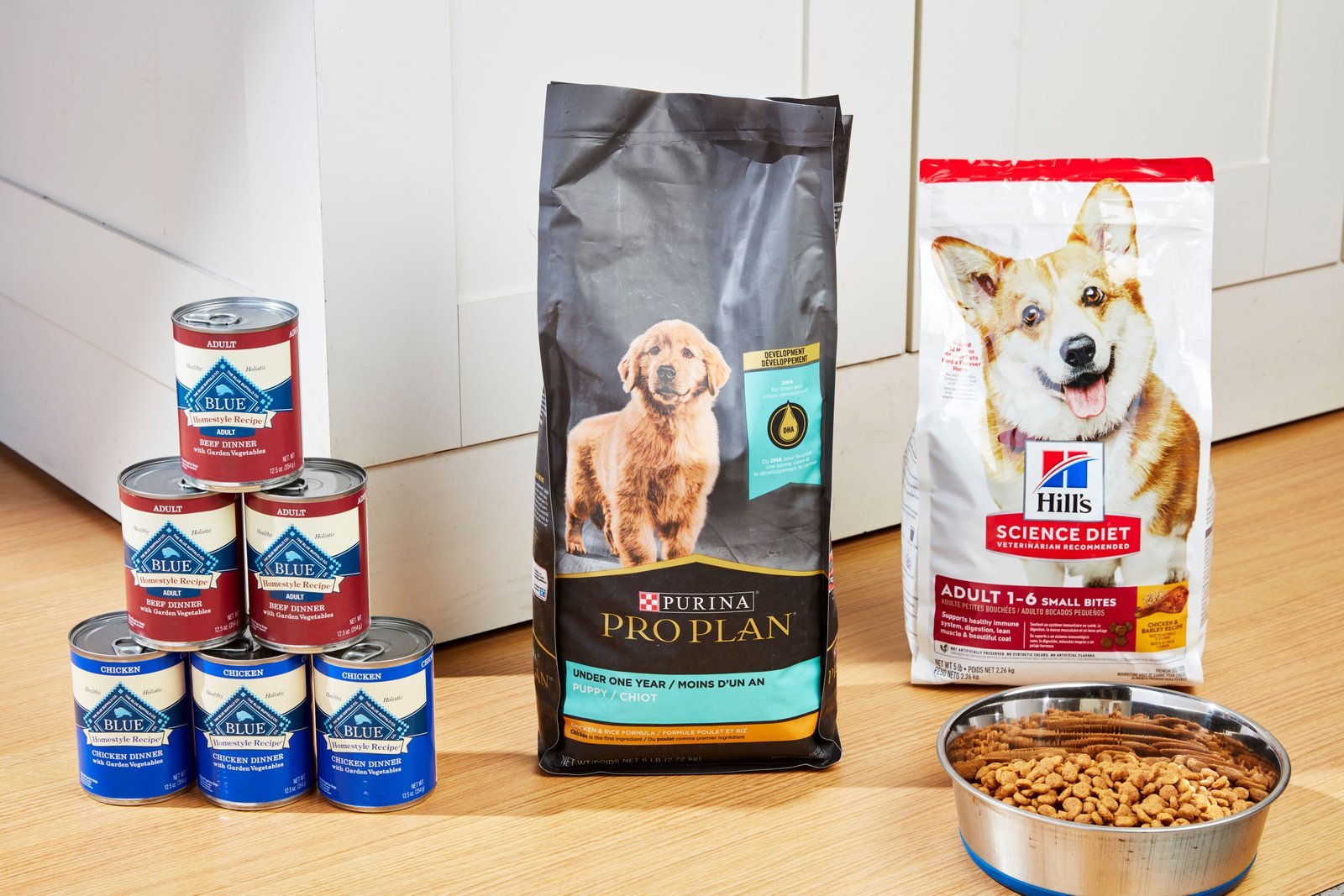
- Measure the food precisely using a standard measuring cup rather than estimating by eye to prevent unwanted weight gain.
- Store dry kibble in its original bag inside an airtight container to keep it fresh and prevent exposure to moisture or pests.
Tip: If you switch brands, do it slowly over seven days by mixing increasing amounts of the new food into the old one to avoid stomach upset.
How long it takes
Transitioning a dog to a new diet requires a gradual approach to allow their digestive system to adjust to the new ingredients.
| Situation | How long | What changes it | What to watch for |
|---|---|---|---|
| Healthy adult dog | 7 days | Sensitive stomachs | Loose stools or vomiting |
| Puppy transition | 10-14 days | Rapid growth needs | Refusal to eat |
| Senior dog | 14 days | Dental health issues | Reduced appetite |
The standard seven-day rule assumes a baseline of perfect health. If your dog has a history of pancreatitis or inflammatory bowel disease, stretch the process to 21 days. Start by replacing only 10% of the old food with the new. Increase this by 10% gradually.
A common mistake is rushing the final 20% of the transition. Owners often assume the dog is “cleared” once the bowl is empty, but the gut microbiome needs those final days to stabilize. If you notice stool consistency softening, hold the ratio steady for an extra 48 hours before proceeding.
If your dog experiences persistent diarrhea or refuses to eat for more than 24 hours, contact your veterinarian immediately. These symptoms often signal an intolerance to a specific protein source rather than a simple adjustment period.
How to tell when it’s done
Doneness in this context refers to your dog’s reaction to the food and their physical health markers over time. You should observe steady energy levels, a shiny coat, and consistent, firm stool production. If your dog maintains a healthy body condition score, the food is providing the correct energy density.
If you notice weight loss or gain, adjust the portion size by ten percent and monitor their weight weekly. A common mistake is changing the food brand immediately when weight fluctuates; instead, stick to the new portion for at least three weeks to allow the metabolism to stabilize.
If the dog remains lethargic or displays persistent hunger after this adjustment, reassess the caloric density of the brand. Use this decision rule: if the dog is gaining weight on a reduced portion, switch to a lower-calorie formula. If they’re losing weight despite increased portions, consult a vet to rule out underlying health issues.
Mistakes that ruin it
-
Overfeeding by volume: Many owners pour food into a bowl without using a measuring tool, which leads to obesity. Always use a standard cup to follow the feeding guidelines on the bag. If you eyeball portions, you likely overestimate by 20 percent, which adds up to several pounds of excess weight annually.
-
Adding too many human treats: Giving high-calorie table scraps adds hidden fats and proteins that unbalance the dog’s carefully formulated diet. Limit treats to no more than ten percent of your dog’s daily caloric intake. If your dog acts listless or refuses their primary meal, cut treats entirely for three days to reset their appetite.
-
Ignoring the storage date: Leaving kibble in an open bag for months allows fats to go rancid and reduces the nutritional value of the vitamins. Keep the bag tightly sealed and use the product within six weeks of opening. Store the food in a cool, dark pantry rather than a garage to prevent heat-induced spoilage.
-
Switching brands too quickly: Making an abrupt change causes severe gastrointestinal distress and discomfort for the animal. Always use a transition period of at least one week to introduce a new formula. Mix 25 percent new food with 75 percent old for two days, then move to a 50/50 split.