
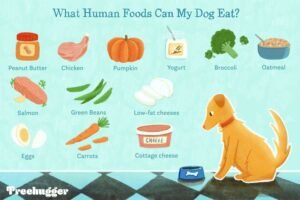
When asking what can we feed dogs, you can safely offer lean meats, cooked vegetables, and plain grains, as these nutrient-dense whole foods support their health.
What can we feed dogs: A guide
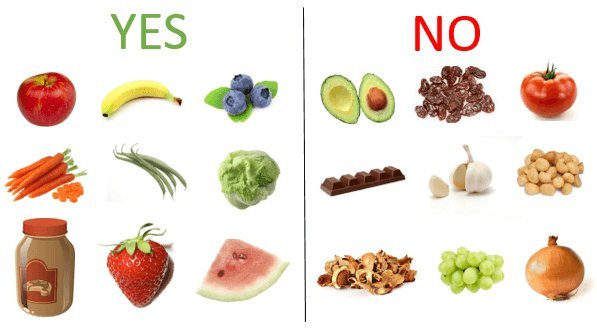
Dogs are biological facultative carnivores that thrive on a precise balance of proteins, fats, and carbohydrates. Using fresh, whole ingredients allows you to control the exact nutritional quality of their intake. It’s vital to strictly avoid added salt, garlic, onions, or the sweetener xylitol, as these are toxic to canine systems.
The most common mistake owners make is feeding “human” leftovers that contain hidden fats or heavy seasonings. This often triggers acute stomach upset or, in severe cases, life-threatening pancreatitis. If your dog suffers from a known food allergy, you must stick exclusively to their vet-approved diet to avoid inflammation.
The decision rule is simple: if the ingredient list contains more than one item or any seasoning, don’t share it. If you’re unsure about a specific food, consult a professional rather than risking a reactive episode.
Preparing healthy meals
- Choose lean protein sources like boiled chicken breast or ground turkey, ensuring you remove all skin and bones before serving.
- Steam vegetables such as green beans, carrots, or broccoli until they’re soft enough to mash with a fork.
- Cook plain white or brown rice thoroughly, using double the amount of water you would use for yourself to ensure it’s easy to digest.
- Mix a small portion of these cooked ingredients into their standard kibble to boost flavor and nutrient variety.
- Store any leftovers in an airtight container in the refrigerator for no more than three days to prevent bacterial growth.
Tip: Always start with a single new ingredient at a time to monitor for allergic reactions or diarrhea.
Tip: Never serve raw meat or fish, as the American Veterinary Medical Association warns that raw diets may pose significant health risks to both pets and people due to pathogen contamination.
How long it takes
Photo: www.achmorris.com on Google
The time required to prepare these meals depends on the cooking method and the density of the food items you’re using.
| Situation | How long | What changes it | What to watch for |
|---|---|---|---|
| Boiled Chicken | 15-20 minutes | Size of the pieces | Ensure no pink remains |
| Steamed Carrots | 8-12 minutes | Thickness of slices | Softness when poked |
| Boiled Rice | 20-30 minutes | Heat intensity | Water absorption |
If the food is still hard after the suggested time, add a splash of water and continue simmering until the texture is tender.
Use this simple rule: if the steam stops rising steadily, your heat is too low to cook the center. If the water vanishes before the timer rings, you have used too high a flame. Adjust your burner to maintain a gentle, rolling simmer rather than a violent boil.
How to tell when it’s done
Photo: quantabiodesign.com on Google
You’ll know the food is ready when the texture is soft and easy to chew. Meat should be opaque all the way through with no visible raw centers, and vegetables should be tender enough to pierce easily with a fork. Grains must be fluffy and fully hydrated, not crunchy or dry.
Use the “resistance test” to confirm doneness. A common mistake is relying solely on color, which can be deceptive in slow-cooked dishes. This error often leads to undercooked centers that harbor harmful bacteria.
If you’re unsure about the safety of a specific item, consult the list of toxic substances provided by the ASPCA Animal Poison Control Center. When signs of distress like vomiting or lethargy occur after a meal, stop feeding that food immediately and contact your local veterinarian for guidance.
Mistakes that ruin it
- Adding seasonings or spices: These ingredients, especially garlic and onion powder, can damage a dog’s red blood cells. Always keep your cooking completely plain and free of salt, pepper, and butter.
- Feeding cooked bones: These become brittle and can splinter in the digestive tract, causing internal punctures or dangerous blockages. Only serve boneless meat that you have prepared yourself.
- Ignoring portion sizes: Overfeeding leads to obesity, which puts extra pressure on a dog’s joints and heart. Use a measuring cup for every meal rather than guessing the amount by eye.
- Including high-fat trimmings: Excessive fat causes severe inflammation of the pancreas, which is a painful and life-threatening condition. Trim all visible fat from meats before cooking them for your pet.