

You should choose a product that lists a high-quality animal protein as the first ingredient and has undergone feeding trials for life-stage adequacy.
How to evaluate quality
The most important factor is whether the food is complete and balanced for your dog’s specific life stage, such as growth, adult maintenance, or all life stages. A common mistake is choosing food based on marketing buzzwords like “natural” or “holistic” rather than the actual ingredient list or the manufacturer’s testing record. Always check the label for a statement of nutritional adequacy, which confirms the food has been tested to provide the necessary nutrients for a healthy dog.
Finding the best dog food nutrition
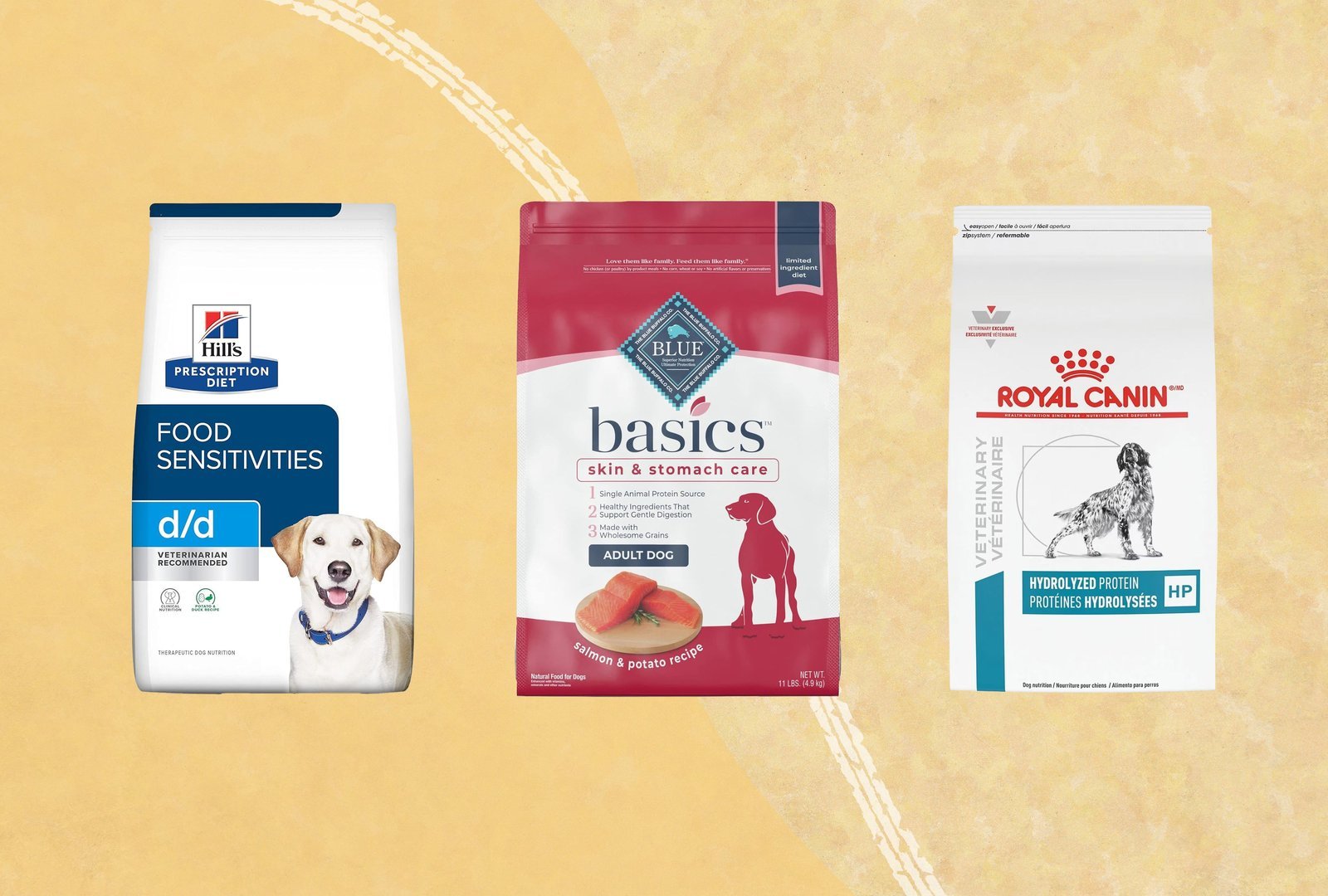
Follow these steps to choose a nutritionally sound food for your canine companion:
- Look for the AAFCO statement on the packaging, which indicates the food meets established nutritional profiles or has passed feeding trials.
- Verify that the primary ingredient is an identifiable protein source, such as chicken, beef, or salmon, rather than a generic “meat meal.”
- Check the guaranteed analysis on the label to ensure the protein and fat percentages match your dog’s activity level and age requirements.
- If your dog has specific health conditions or allergies, consult your veterinarian before switching brands to ensure the new food doesn’t trigger adverse reactions.
- Transition your dog to the new food slowly over 7 to 10 days by mixing increasing amounts of the new food with the old to prevent digestive upset.
Tip: Sudden changes in diet often lead to vomiting or diarrhea, so be patient during the transition period.
Tip: If you’re unsure about specific ingredients, AAFCO’s official guidance explains how to interpret the labels on pet food packaging.
How long it takes
The time required to see the benefits of a high-quality diet varies based on the dog’s metabolism and current health status.
| Situation | How long | What changes it | What to watch for |
|---|---|---|---|
| Transitioning diet | 7-10 days | Dog’s stomach sensitivity | Stool consistency |
| Coat/Skin health | 4-8 weeks | Nutrient absorption | Shine and dryness |
| Weight change | 2-3 months | Daily caloric intake | Body condition score |
If your dog experiences persistent lethargy or loss of appetite after two weeks, contact your veterinarian immediately.
How to tell when it’s done
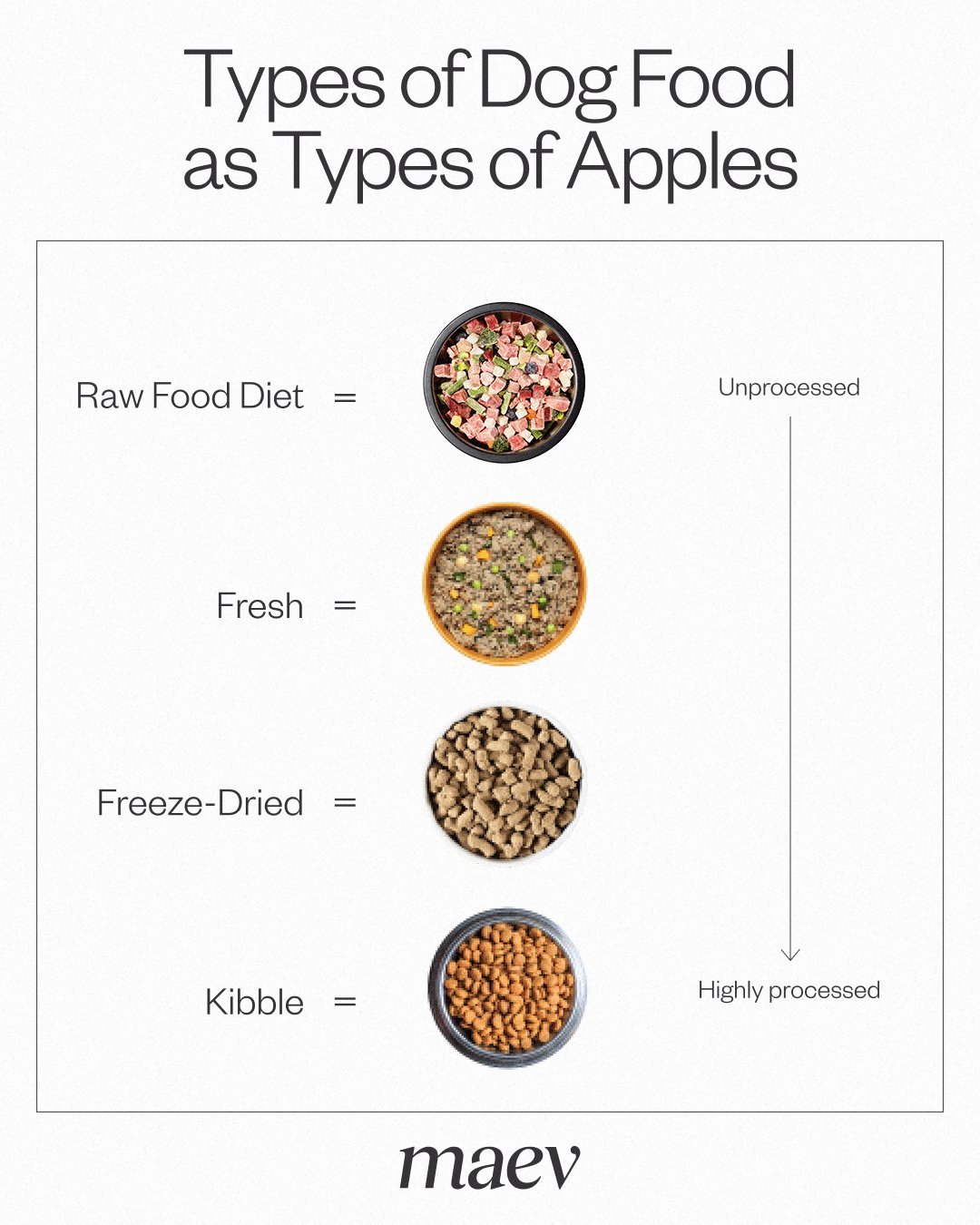
You can’t measure “doneness” for food, but you can track your dog’s response to the nutrition. Monitor the dog’s energy levels, the quality and shine of their coat, and the consistency of their waste. A healthy dog on a proper diet should maintain a consistent weight and show clear, bright eyes. If the dog is losing weight or seems constantly hungry, the caloric density of the food may be too low for their activity level.
Mistakes that ruin it
- Overfeeding: Providing too much food leads to obesity, which puts significant strain on a dog’s joints and heart. Measure every meal using a standard measuring cup rather than guessing the amount.
- Ignoring life stages: Feeding a puppy food to a senior dog can cause excessive weight gain due to higher calorie density. Always match the food formula to the specific life stage specified on the bag.
- Excessive supplementation: Adding extra vitamins or minerals to a complete and balanced diet can create dangerous nutrient imbalances. Only add supplements if they’re explicitly recommended by your veterinarian for a diagnosed deficiency.
Frequently asked questions
Can I feed my dog human food?
No, you shouldn’t rely on human food as a primary diet because it often lacks the specific balance of vitamins and minerals dogs need. While some cooked vegetables or plain meats are safe in small amounts, they can easily disrupt the nutritional balance of a commercial dog food diet.
Is grain-free food better for dogs?
No, grain-free food isn’t inherently better unless your dog has been diagnosed with a specific grain allergy by a veterinarian. Many dogs thrive on diets that include high-quality grains, which provide essential fiber and energy for daily activity.
How do I know if the food is high quality?
You can identify high-quality food by looking for the AAFCO nutritional adequacy statement on the label. This confirms the food has been formulated or tested to meet the standards for a healthy, balanced diet, ensuring your dog gets the protein, fats, and vitamins they require.
What happens if I change my dog’s food too fast?
If you change food too fast, your dog will likely experience digestive issues like gas, bloating, or diarrhea. The digestive system needs time to adjust to new ingredients, which is why a slow transition over at least one week is necessary to prevent discomfort.
Is expensive dog food always better?
No, a higher price doesn’t always mean better nutrition, as some brands charge more for marketing and packaging. It’s more important to focus on the nutritional profile and the company’s commitment to safety and testing than on the price tag alone.
Final Thoughts
Transitioning your pet to a healthier diet doesn’t have to happen overnight. Start by mixing a small amount of the new food with their current bowl to avoid an upset stomach. You’ll be surprised how much more energy they’ll have once they’re fueled by the right nutrients every single day.
Related guides